THE ADVENTURE COLLECTIVE® · Independent discovery and booking for outdoor travel

A day hike to Nagi Gompa climbs from village lanes to a hilltop monastery with sweeping views of the Kathmandu Valley. Expect dirt trails, stone steps, a few steep pitches and a quiet monastic stop that rewards the effort with valley panoramas.
A day hike to Nagi Gompa climbs from village lanes to a hilltop monastery with sweeping views of the Kathmandu Valley. Expect dirt trails, stone steps, a few steep pitches and a quiet monastic stop that rewards the effort with valley panoramas.
Morning light slices the Kathmandu Valley as a private vehicle drops you at a quiet trailhead and the city noise seems to fall away. You start on a narrow village lane, stepping over prayer flags and loose stones, the path switching back through terraced fields and small shrines. The air grows cooler and the valley opens wider as the trail pushes upward—trees lean in like attentive hosts, and the wind at the ridge nudges you toward the monastery.
Verified experiences and guided adventures in the surrounding area.
Operated by Nepalgram · Kathmandu, Bagmati Province
Morning light slices the Kathmandu Valley as a private vehicle drops you at a quiet trailhead and the city noise seems to fall away. You start on a narrow village lane, stepping over prayer flags and loose stones, the path switching back through terraced fields and small shrines. The air grows cooler and the valley opens wider as the trail pushes upward—trees lean in like attentive hosts, and the wind at the ridge nudges you toward the monastery.
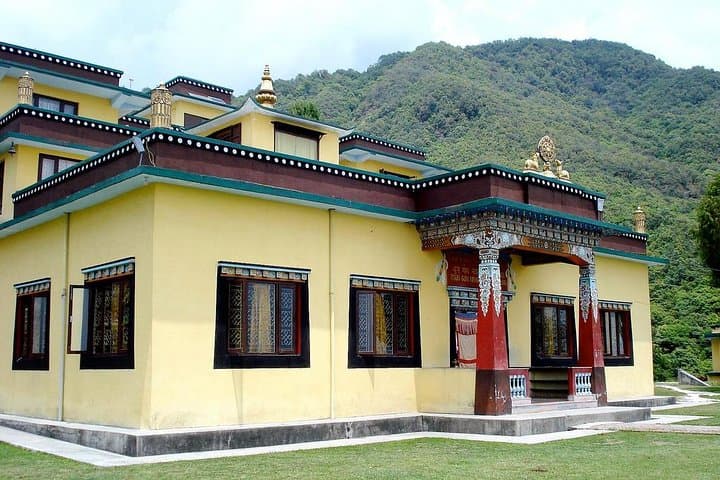
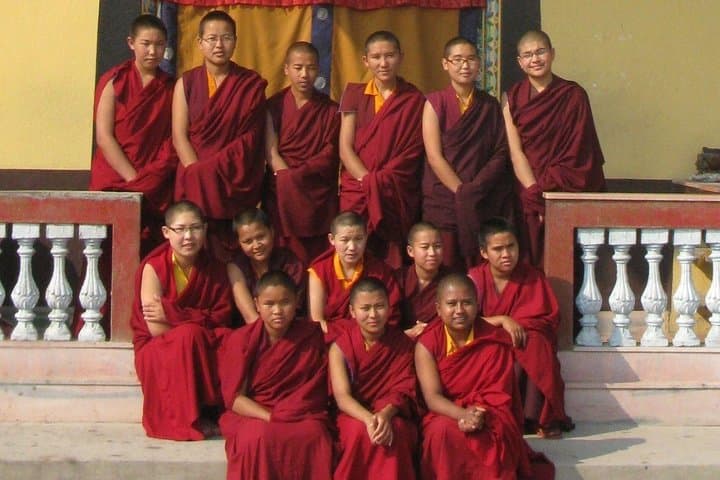
Nagi Gompa is a modest Tibetan Buddhist monastery perched above the valley; local histories speak of small monastic communities establishing hilltop gompas in the 20th century to serve Tibetan refugees and Kathmandu-area devotees. Geologically the route follows weathered valley slopes of clay and sandstone, with stone steps laid by villagers on steeper pitches. Culturally the walk threads through living villages—smoke from kitchen stoves, children’s laughter, and a respectful hush at the gompa itself.
Expect about 6–8 km round-trip with roughly 300–500 m of elevation gain on packed dirt, village tracks and intermittent stone stairs. The summit view frames Kathmandu’s urban sprawl against distant Himalayan ridgelines; the monastery offers a quiet place to sit and listen to the valley breathe.
Practical notes: start early to avoid afternoon heat and afternoon haze; wear grippy shoes for muddy stairs after rain; bring 1–2 liters of water and sun protection; carry small cash for tea at a local teahouse. The hike is suitable for steady walkers and is typically completed in 6–10 hours with transport provided to the trailhead.
moderate.
8–10 hours.
Comfortable with several hours of steady uphill walking; good cardiovascular baseline and basic stamina recommended
The round-trip is roughly 6–8 km with around 300–500 m of elevation gain; expect several steep stretches and stone steps that slow your pace.
No formal permits are required for the hike; donations at the monastery are voluntary and local transport is usually included if arranged through a tour operator.
Moderate fitness—able to walk steadily uphill for a few hours. The trail is suitable for regular walkers but not recommended for those with serious heart conditions or pregnancy.
Basic teahouses and a simple lunch are typically provided by the operator; restroom facilities are limited and often rustic along the route.
The gompa reflects the region’s Tibetan Buddhist heritage; many hilltop monasteries around Kathmandu were established or expanded in the 20th century by local practitioners and refugee communities.
Stick to established trails, avoid leaving waste, and minimize noise at religious sites; supporting local teahouses keeps tourism revenue in the community.
Nepalgram operates guided outdoor trips and adventures with an emphasis on safety, stewardship, and memorable experiences.
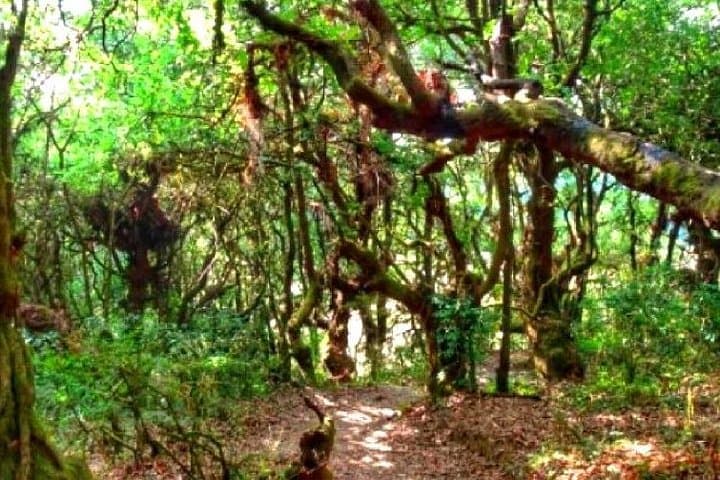
Morning light slices the Kathmandu Valley as a private vehicle drops you at a quiet trailhead and the city noise seems to fall away. You start on a narrow village lane, stepping over prayer flags and loose stones, the path switching back through terraced fields and small shrines. The air grows cooler and the valley opens wider as the trail pushes upward—trees lean in like attentive hosts, and the wind at the ridge nudges you toward the monastery.
Morning light slices the Kathmandu Valley as a private vehicle drops you at a quiet trailhead and the city noise seems to fall away. You start on a narrow village lane, stepping over prayer flags and loose stones, the path switching back through terraced fields and small shrines. The air grows cooler and the valley opens wider as the trail pushes upward—trees lean in like attentive hosts, and the wind at the ridge nudges you toward the monastery.
Nagi Gompa is a modest Tibetan Buddhist monastery perched above the valley; local histories speak of small monastic communities establishing hilltop gompas in the 20th century to serve Tibetan refugees and Kathmandu-area devotees. Geologically the route follows weathered valley slopes of clay and sandstone, with stone steps laid by villagers on steeper pitches. Culturally the walk threads through living villages—smoke from kitchen stoves, children’s laughter, and a respectful hush at the gompa itself.
Expect about 6–8 km round-trip with roughly 300–500 m of elevation gain on packed dirt, village tracks and intermittent stone stairs. The summit view frames Kathmandu’s urban sprawl against distant Himalayan ridgelines; the monastery offers a quiet place to sit and listen to the valley breathe.
Practical notes: start early to avoid afternoon heat and afternoon haze; wear grippy shoes for muddy stairs after rain; bring 1–2 liters of water and sun protection; carry small cash for tea at a local teahouse. The hike is suitable for steady walkers and is typically completed in 6–10 hours with transport provided to the trailhead.