THE ADVENTURE COLLECTIVE® · Independent discovery and booking for outdoor travel

A single-day hike from Moshi to Mandara Hut threads Kilimanjaro’s montane forest, delivering close-up wildlife, big volcanic views of Kibo and Mawenzi, and a taste of high-altitude hiking without an overnight.
A single-day hike from Moshi to Mandara Hut threads Kilimanjaro’s montane forest, delivering close-up wildlife, big volcanic views of Kibo and Mawenzi, and a taste of high-altitude hiking without an overnight.
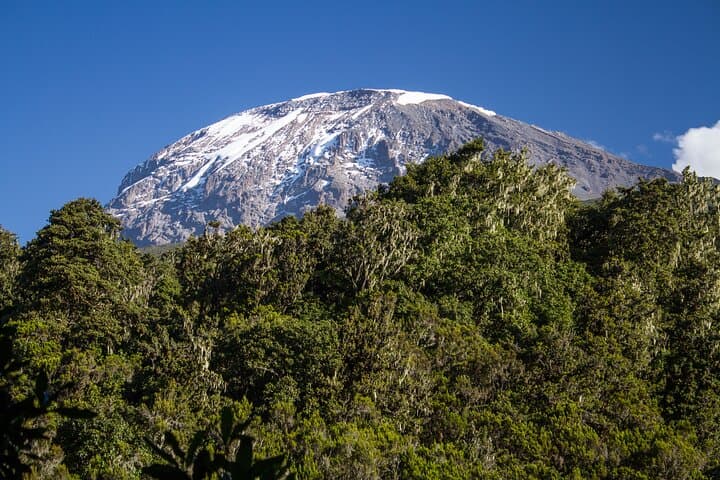
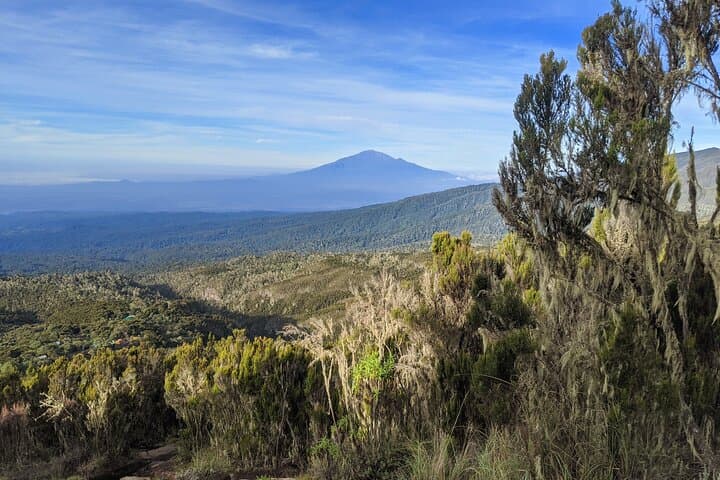
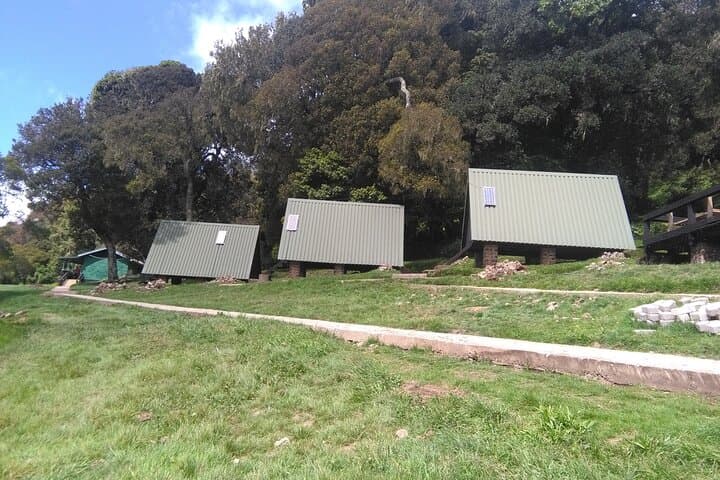
The trail begins in the damp hush of montane forest, where shafts of light cut between tall Eucalyptus trunks and the air smells faintly of coffee and wet earth. Small groups set off from the park gate beneath a cool sky; the path climbs steadily, threaded with roots and the occasional wooden ladder, and the forest seems to lean in—watchful, ancient. After a few hours the trees thin and a clearing opens at Mandara Hut, an unexpected shelf of rock and grass with a view: Kibo and Mawenzi rise like stony guardians, clouds shifting across their faces.
Verified experiences and guided adventures in the surrounding area.
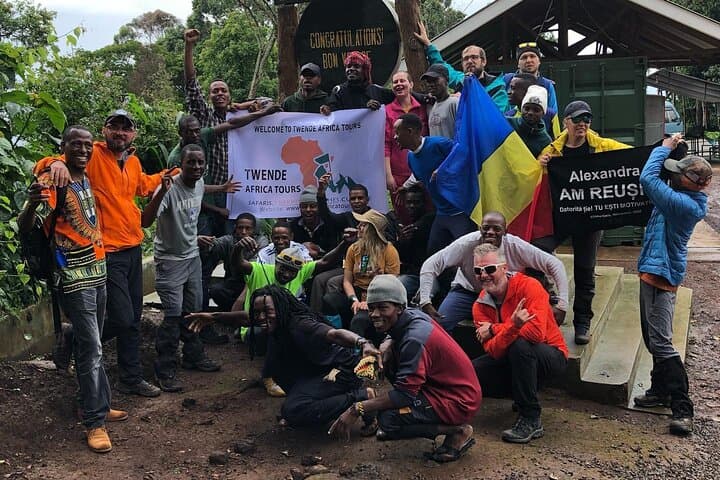
Operated by Twende Africa Tours · Moshi, Kilimanjaro Region
The trail begins in the damp hush of montane forest, where shafts of light cut between tall Eucalyptus trunks and the air smells faintly of coffee and wet earth. Small groups set off from the park gate beneath a cool sky; the path climbs steadily, threaded with roots and the occasional wooden ladder, and the forest seems to lean in—watchful, ancient. After a few hours the trees thin and a clearing opens at Mandara Hut, an unexpected shelf of rock and grass with a view: Kibo and Mawenzi rise like stony guardians, clouds shifting across their faces.
This one-day itinerary covers the classic Mandara Hut circuit, tracing routes used for decades by guides and porters. The slopes here are geological pages: older volcanic deposits give way to younger phonolitic domes in the distance. Culturally, the trail crosses land long occupied by the Chagga people—steep terraces and bulbous coffee farms still define the foothills below Moshi, and local guides will often point out how agriculture and mountain lore intersect.
Wildlife is part of the chorus. Colobus monkeys move with deliberate confidence through the canopy; sunbirds flash like punctuation on flowering trees. The hike also gives you a compact lesson in microclimates—the rainforest becomes heath and then scrub the higher you go—and a side trip to Maundi Crater reveals sweeping views of Lake Chala and the borderlands of northern Tanzania and Kenya.
Practicality shapes the day. The route climbs from roughly 1,860 m (park gate) to about 2,700 m at Mandara—an elevation gain near 840 m over 8 km (5 mi). Expect 3–4 hours ascending and 2–3 hours descending on maintained trails through uneven, sometimes muddy terrain. The pace is deliberate: altitude matters more than technical difficulty, so steady walking, small frequent breaks, and hydration trump rushing.
Plan logistics around Moshi: most operators include pickup from town and return in the afternoon. Weather shifts quickly—mornings and late afternoons are best for clear light and views. Buy water or bring a reliable filter; shelter and basic lunch are typically provided by the outfitter, but confirm inclusions.
Leave no trace is not optional here: the national park is a protected UNESCO buffer area, and erosion and litter are ongoing concerns. Hire certified guides and porters when you can—their knowledge of paths, local ecology, and safety is practical and supports the community.
For travelers wanting a compact Kilimanjaro experience, the Mandara Hut day walk delivers forest intimacy, surprising alpine views, and a tangible sense of scale—enough terrain and altitude to remind you why Kilimanjaro draws climbers, without committing to the mountain’s higher, harsher elevations.
moderate.
5–8 hours.
Moderate cardio fitness; able to climb steadily for several hours and cope with altitude gain.
The circuit covers about 8 km (5 mi) round-trip with roughly 840 m (2,755 ft) of elevation gain—expect 3–4 hours up and 2–3 hours down.
A licensed guide is required inside Kilimanjaro National Park and recommended for safety, navigation, and cultural context.
Bring layered clothing, water (2–3 L), sun protection, a light rain jacket, snacks, and basic first-aid items.
Fit children and older adults who can manage steady uphill walking and short breaks may do the hike, but consult a guide if there are health concerns.
Yes—expect colobus monkeys, various songbirds and sunbirds, and occasionally small forest mammals; sightings depend on season and noise level on trail.
Entrance fees and guide costs are required; fees support conservation—confirm current rates with your operator before booking.
The slopes are traditionally Chagga territory and the routes connect to old footpaths used for trade and coffee farming below Moshi.
Kilimanjaro National Park faces erosion and waste issues—stay on trails, pack out trash, and hire licensed guides and porters to support sustainable practices.
Twende Africa Tours operates guided outdoor trips and adventures with an emphasis on safety, stewardship, and memorable experiences.
The trail begins in the damp hush of montane forest, where shafts of light cut between tall Eucalyptus trunks and the air smells faintly of coffee and wet earth. Small groups set off from the park gate beneath a cool sky; the path climbs steadily, threaded with roots and the occasional wooden ladder, and the forest seems to lean in—watchful, ancient. After a few hours the trees thin and a clearing opens at Mandara Hut, an unexpected shelf of rock and grass with a view: Kibo and Mawenzi rise like stony guardians, clouds shifting across their faces.
The trail begins in the damp hush of montane forest, where shafts of light cut between tall Eucalyptus trunks and the air smells faintly of coffee and wet earth. Small groups set off from the park gate beneath a cool sky; the path climbs steadily, threaded with roots and the occasional wooden ladder, and the forest seems to lean in—watchful, ancient. After a few hours the trees thin and a clearing opens at Mandara Hut, an unexpected shelf of rock and grass with a view: Kibo and Mawenzi rise like stony guardians, clouds shifting across their faces.
This one-day itinerary covers the classic Mandara Hut circuit, tracing routes used for decades by guides and porters. The slopes here are geological pages: older volcanic deposits give way to younger phonolitic domes in the distance. Culturally, the trail crosses land long occupied by the Chagga people—steep terraces and bulbous coffee farms still define the foothills below Moshi, and local guides will often point out how agriculture and mountain lore intersect.
Wildlife is part of the chorus. Colobus monkeys move with deliberate confidence through the canopy; sunbirds flash like punctuation on flowering trees. The hike also gives you a compact lesson in microclimates—the rainforest becomes heath and then scrub the higher you go—and a side trip to Maundi Crater reveals sweeping views of Lake Chala and the borderlands of northern Tanzania and Kenya.
Practicality shapes the day. The route climbs from roughly 1,860 m (park gate) to about 2,700 m at Mandara—an elevation gain near 840 m over 8 km (5 mi). Expect 3–4 hours ascending and 2–3 hours descending on maintained trails through uneven, sometimes muddy terrain. The pace is deliberate: altitude matters more than technical difficulty, so steady walking, small frequent breaks, and hydration trump rushing.
Plan logistics around Moshi: most operators include pickup from town and return in the afternoon. Weather shifts quickly—mornings and late afternoons are best for clear light and views. Buy water or bring a reliable filter; shelter and basic lunch are typically provided by the outfitter, but confirm inclusions.
Leave no trace is not optional here: the national park is a protected UNESCO buffer area, and erosion and litter are ongoing concerns. Hire certified guides and porters when you can—their knowledge of paths, local ecology, and safety is practical and supports the community.
For travelers wanting a compact Kilimanjaro experience, the Mandara Hut day walk delivers forest intimacy, surprising alpine views, and a tangible sense of scale—enough terrain and altitude to remind you why Kilimanjaro draws climbers, without committing to the mountain’s higher, harsher elevations.