THE ADVENTURE COLLECTIVE® · Independent discovery and booking for outdoor travel

A steep, full-day climb through Uluguru montane forest to Lupanga Peak (2,138 m), rewarding hikers with close wildlife encounters and expansive eastern views from a historic summit tower. This route is best with a local guide and an early start to avoid wet-season hazards.
A steep, full-day climb through Uluguru montane forest to Lupanga Peak (2,138 m), rewarding hikers with close wildlife encounters and expansive eastern views from a historic summit tower. This route is best with a local guide and an early start to avoid wet-season hazards.
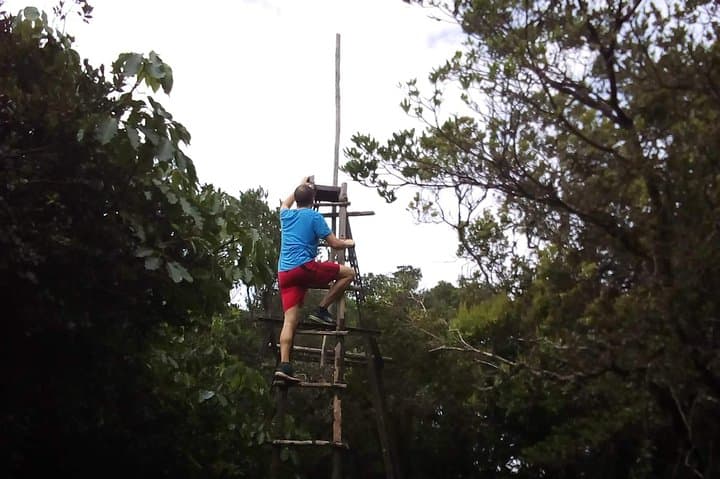
Mist lifts off the ridge as you begin the climb from Kibwe village, farmland giving way to a tight, green corridor of montane forest. The trail to Lupanga Peak is steep and relentless in places, a spine of root and rock that pushes you up toward 2,138 meters where a rusted Germany-era viewing tower punctuates the skyline. On a clear morning the forest exhales and distant valleys open to the east; on humid afternoons the clouds press close and the trail becomes a living thing, slick and demanding.
Verified experiences and guided adventures in the surrounding area.
Operated by KURUMBIZI TOURS & SAFARIS · Morogoro, Morogoro Region
Mist lifts off the ridge as you begin the climb from Kibwe village, farmland giving way to a tight, green corridor of montane forest. The trail to Lupanga Peak is steep and relentless in places, a spine of root and rock that pushes you up toward 2,138 meters where a rusted Germany-era viewing tower punctuates the skyline. On a clear morning the forest exhales and distant valleys open to the east; on humid afternoons the clouds press close and the trail becomes a living thing, slick and demanding.
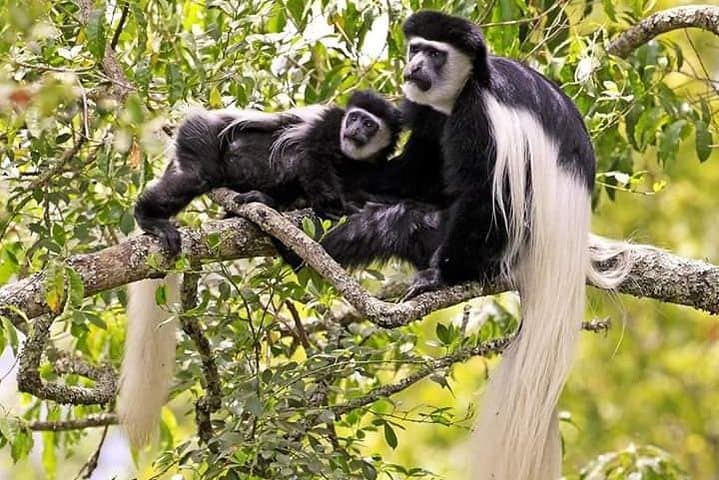
The Uluguru Mountains are part of the Eastern Arc, ancient crystalline rock that traps moisture from the Indian Ocean and supports endemic plants and birds. The Germany tower at the summit is an artifact of colonial mapping; local communities in the valleys practice mixed subsistence farming and maintain footpaths that predate formal tourism. Wildlife is conspicuous in quieter sections — black-and-white colobus, Silvery-cheeked hornbills, and the vivid Livingstone (Livingston) turaco make this more than a trek through trees.
Practical guide: expect a full 10–12 hour day with sustained climbs and sections of loose rock and roots. The route begins near Forest Hill Road at Kibwe; a local guide is strongly recommended for route-finding and safety, especially in the wet season when downstream gullies turn treacherous. Carry at least 2–3 liters of water, high-energy lunch (included on many tours), and layered clothing. Start early to avoid afternoon storms and to catch the clearest views. Respect local customs—ask before photographing farms or homes—and follow Leave No Trace: the Ulugurus are a critical water catchment and fragile ecosystem.
challenging.
10–12 hours.
Requires high aerobic fitness and strong legs; good balance and experience on uneven, steep terrain recommended.
Typical tours are 10–12 hours round trip from Kibwe village, depending on pace and weather.
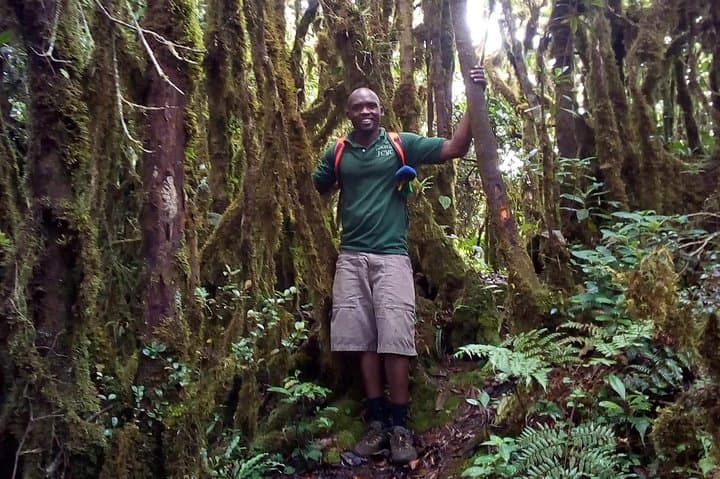
While not always mandatory, a local guide is strongly recommended for navigation, safety, and local context — especially in wet conditions.
Expect bird species like Livingstone turaco and Silvery-cheeked hornbill, plus potential sightings of black-and-white colobus monkeys and other forest mammals.
The wet season makes the trail much more hazardous due to slick roots, loose soil, and swollen streams; many operators avoid or cancel hikes in heavy rain.
The Germany-built viewing tower at the summit reflects colonial-era surveying in the Ulugurus; local communities have long used these ridges for grazing and foot travel.
The Uluguru Mountains are a critical water-catchment and biodiversity hotspot; stick to trails, avoid campfires, and support local guides and community conservation efforts.
KURUMBIZI TOURS & SAFARIS operates guided outdoor trips and adventures with an emphasis on safety, stewardship, and memorable experiences.
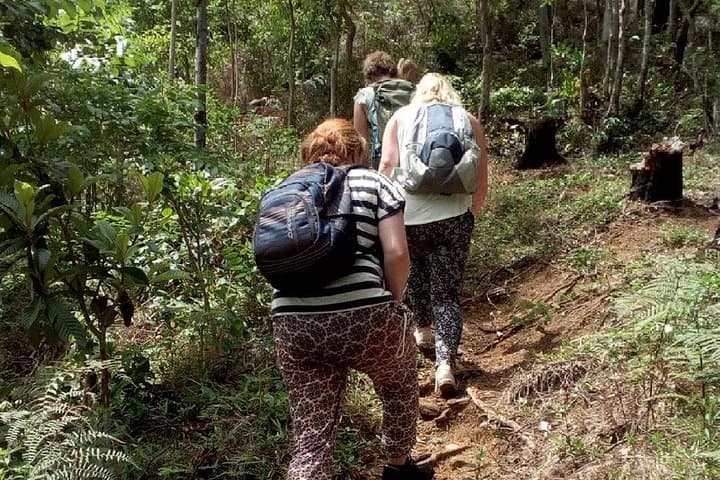
Mist lifts off the ridge as you begin the climb from Kibwe village, farmland giving way to a tight, green corridor of montane forest. The trail to Lupanga Peak is steep and relentless in places, a spine of root and rock that pushes you up toward 2,138 meters where a rusted Germany-era viewing tower punctuates the skyline. On a clear morning the forest exhales and distant valleys open to the east; on humid afternoons the clouds press close and the trail becomes a living thing, slick and demanding.
Mist lifts off the ridge as you begin the climb from Kibwe village, farmland giving way to a tight, green corridor of montane forest. The trail to Lupanga Peak is steep and relentless in places, a spine of root and rock that pushes you up toward 2,138 meters where a rusted Germany-era viewing tower punctuates the skyline. On a clear morning the forest exhales and distant valleys open to the east; on humid afternoons the clouds press close and the trail becomes a living thing, slick and demanding.
The Uluguru Mountains are part of the Eastern Arc, ancient crystalline rock that traps moisture from the Indian Ocean and supports endemic plants and birds. The Germany tower at the summit is an artifact of colonial mapping; local communities in the valleys practice mixed subsistence farming and maintain footpaths that predate formal tourism. Wildlife is conspicuous in quieter sections — black-and-white colobus, Silvery-cheeked hornbills, and the vivid Livingstone (Livingston) turaco make this more than a trek through trees.
Practical guide: expect a full 10–12 hour day with sustained climbs and sections of loose rock and roots. The route begins near Forest Hill Road at Kibwe; a local guide is strongly recommended for route-finding and safety, especially in the wet season when downstream gullies turn treacherous. Carry at least 2–3 liters of water, high-energy lunch (included on many tours), and layered clothing. Start early to avoid afternoon storms and to catch the clearest views. Respect local customs—ask before photographing farms or homes—and follow Leave No Trace: the Ulugurus are a critical water catchment and fragile ecosystem.