THE ADVENTURE COLLECTIVE® · Independent discovery and booking for outdoor travel

A sharp high-altitude hike rewards you with an intense turquoise lake fed by the Humantay glacier. This full-day tour from Cusco combines mountain views, Quechua highland culture and a steep, memorable climb.
A sharp high-altitude hike rewards you with an intense turquoise lake fed by the Humantay glacier. This full-day tour from Cusco combines mountain views, Quechua highland culture and a steep, memorable climb.
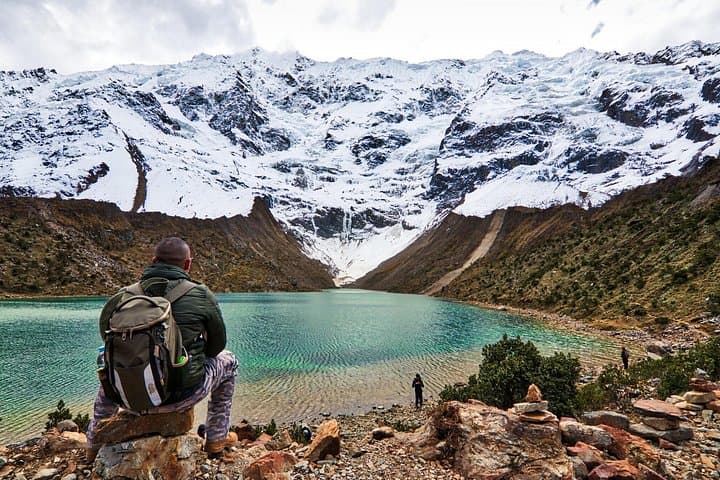
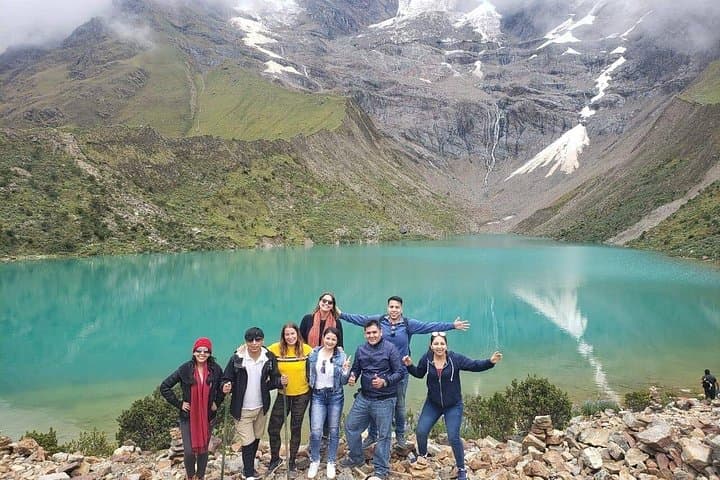
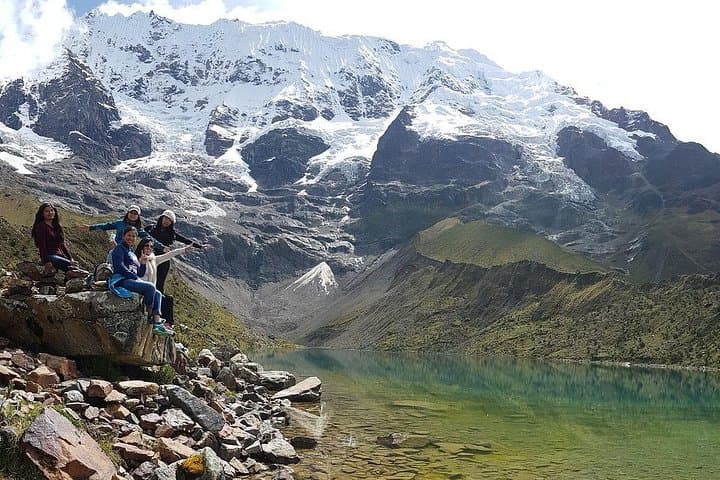
You round a final switchback and the lake opens — a slab of turquoise cupped by moraine and the gray shoulder of Humantay glacier above. Thin air sharpens every breath; wind tugs at jackets and at the loose gravel underfoot. Soraypampa (3,880 m) sits like a small highland plaza before the climb, a place to strap on poles and let the mountains measure you.
Verified experiences and guided adventures in the surrounding area.
Operated by Machu Picchu Road Trip · Cusco, Cusco
You round a final switchback and the lake opens — a slab of turquoise cupped by moraine and the gray shoulder of Humantay glacier above. Thin air sharpens every breath; wind tugs at jackets and at the loose gravel underfoot. Soraypampa (3,880 m) sits like a small highland plaza before the climb, a place to strap on poles and let the mountains measure you.
The lake owes its color to glacial melt from the Humantay peak, part of the Salkantay massif that dominates this portion of the Vilcabamba range. Local Quechua communities have long regarded these high lakes as apus — mountain spirits — and the route passes grazing llamas, stone corrals and the odd roadside shrine. Geologically you’ll see glacial till, sharp moraine ridges and fast-draining alpine soils typical of the high Andes.
Expect a steep 1.5–2 km ascent each way with ~350–450 m of elevation gain; trail surfaces are rocky with short steep ramps and occasional steps. A typical operator runs this as a full day: early pickup from Cusco, breakfast in Mollepata, drive to Soraypampa and a 1–1.5 hour climb to the lagoon, time at the water, then return and lunch before arriving back in Cusco late afternoon.
Practical notes: acclimatize in Cusco for 24–48 hours, carry 2–3 liters of water, layer for quick temperature swings and bring cash for market snacks. Move deliberately on the ascent — the altitude, not the distance, is what makes the hike honest.
moderate.
8–10 hours.
Moderate fitness and prior short-day hiking experience recommended; must be acclimatized to 3,800–4,200 m.
From Soraypampa the round-trip hike is typically 3–4 km with an ascent of roughly 350–450 m; expect 1–1.5 hours up depending on pace and acclimatization.
Yes — the trek begins near 3,880 m and reaches around 4,200 m; spending a day or two in Cusco or taking it very easy on arrival reduces altitude sickness risk.
The trail is well-marked but steep in sections; basic sure-footedness is required and a guide is standard on organized tours.
Restrooms and food are limited to the start at Soraypampa and the lunch stop in Mollepata; carry tissues and hand sanitizer for on-trail needs.
The Humantay lake sits below Salkantay, historically part of Andean spiritual geography; local Quechua communities maintain ritual traditions tied to high lakes and peaks.
This fragile puna environment is sensitive to erosion and litter; stick to trails, pack out waste and avoid single-use plastics to reduce impact.
Machu Picchu Road Trip operates guided outdoor trips and adventures with an emphasis on safety, stewardship, and memorable experiences.
You round a final switchback and the lake opens — a slab of turquoise cupped by moraine and the gray shoulder of Humantay glacier above. Thin air sharpens every breath; wind tugs at jackets and at the loose gravel underfoot. Soraypampa (3,880 m) sits like a small highland plaza before the climb, a place to strap on poles and let the mountains measure you.
You round a final switchback and the lake opens — a slab of turquoise cupped by moraine and the gray shoulder of Humantay glacier above. Thin air sharpens every breath; wind tugs at jackets and at the loose gravel underfoot. Soraypampa (3,880 m) sits like a small highland plaza before the climb, a place to strap on poles and let the mountains measure you.
The lake owes its color to glacial melt from the Humantay peak, part of the Salkantay massif that dominates this portion of the Vilcabamba range. Local Quechua communities have long regarded these high lakes as apus — mountain spirits — and the route passes grazing llamas, stone corrals and the odd roadside shrine. Geologically you’ll see glacial till, sharp moraine ridges and fast-draining alpine soils typical of the high Andes.
Expect a steep 1.5–2 km ascent each way with ~350–450 m of elevation gain; trail surfaces are rocky with short steep ramps and occasional steps. A typical operator runs this as a full day: early pickup from Cusco, breakfast in Mollepata, drive to Soraypampa and a 1–1.5 hour climb to the lagoon, time at the water, then return and lunch before arriving back in Cusco late afternoon.
Practical notes: acclimatize in Cusco for 24–48 hours, carry 2–3 liters of water, layer for quick temperature swings and bring cash for market snacks. Move deliberately on the ascent — the altitude, not the distance, is what makes the hike honest.