THE ADVENTURE COLLECTIVE® · Independent discovery and booking for outdoor travel

A full-day hike from Budapest to Kékes delivers broad summit views, beech-forested climbs and a descent past hilltop ruins. This guide outlines what to expect, how to prepare, and when to go.
A full-day hike from Budapest to Kékes delivers broad summit views, beech-forested climbs and a descent past hilltop ruins. This guide outlines what to expect, how to prepare, and when to go.
The bus hums out of Budapest before dawn, city glass blurring into fields. Hours later you step into a beech forest whose trunks press the sky, the path pitching upward like a challenge dared. The ascent climbs to Kékes (1,014 m), Hungary’s highest point, where a tall telecommunication tower and its panorama terrace stretch above the treeline and hand you a wide, clean view of the Mátra ridges and the plains beyond.
Verified experiences and guided adventures in the surrounding area.
Operated by Trails of Budapest Hiking Tours · Mátraháza, Heves
The bus hums out of Budapest before dawn, city glass blurring into fields. Hours later you step into a beech forest whose trunks press the sky, the path pitching upward like a challenge dared. The ascent climbs to Kékes (1,014 m), Hungary’s highest point, where a tall telecommunication tower and its panorama terrace stretch above the treeline and hand you a wide, clean view of the Mátra ridges and the plains beyond.
Mátra is a volcanic massif shaped in the Miocene; its slopes are carpeted in beech and oak, cut by old shepherd tracks and wartime lookout points. The summit’s tower is a modern waypoint atop a landscape once used for timber, grazing and strategic observation. Cultural traces—small stone walls, rural chapels and scattered ruins—hint at a long human presence between forest and plain.
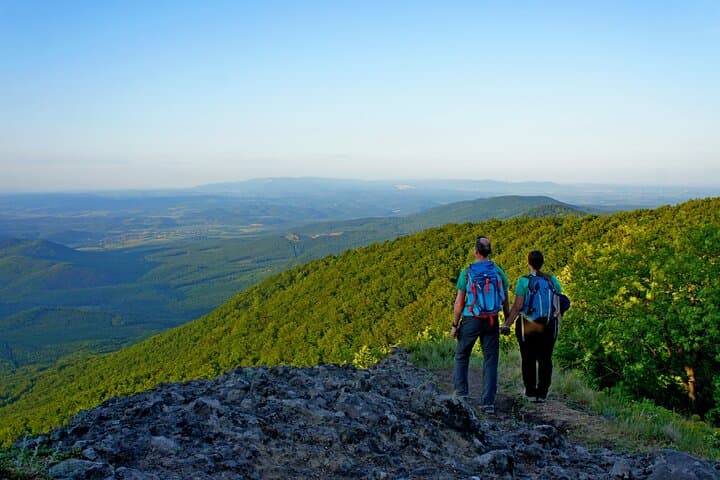
Expect sustained uphill on mixed dirt and stony trails, several lookout points on the north slope, and a descent that takes you past a ruined hill fort before the final walk to a village bus stop. The route covers varied terrain and can be muddy after rain; underfoot grip and steady pacing matter more than speed.
Practical tips: start early to avoid heat and to fit transit time, carry 2–3 liters of water, and layer for wind on the summit. The tour issues a completion badge—carry ID, snacks, and basic blister care. With steady legs and basic hiking gear, this is a full-day, high-reward excursion into one of Hungary’s most accessible mountain experiences.
challenging.
7–12 hours.
Requires a high level of cardiovascular fitness and sustained leg strength for long uphill sections
The hike includes prolonged uphill sections and uneven terrain; it’s classified as challenging and requires good cardiovascular fitness and hiking experience.
Services are scarce on the route; bring your own water and snacks—plan for 2–3 liters of water per person.
Strong beginners with prior long hikes may manage, but the tour is not recommended for those with limited fitness, back or heart problems, or pregnancy.
The full-day tour runs about 12 hours door-to-door; expect roughly one hour each way by bus plus 6–10 hours of hiking and stops.
Mátra’s volcanic origins created the upland massif; the area has long been used for grazing, forestry and as strategic lookout sites, with modern additions like the summit tower.
Stick to marked trails to protect fragile undergrowth and erosion-prone slopes; pack out all waste and respect seasonal closures for wildlife and breeding.
Trails of Budapest Hiking Tours operates guided outdoor trips and adventures with an emphasis on safety, stewardship, and memorable experiences.
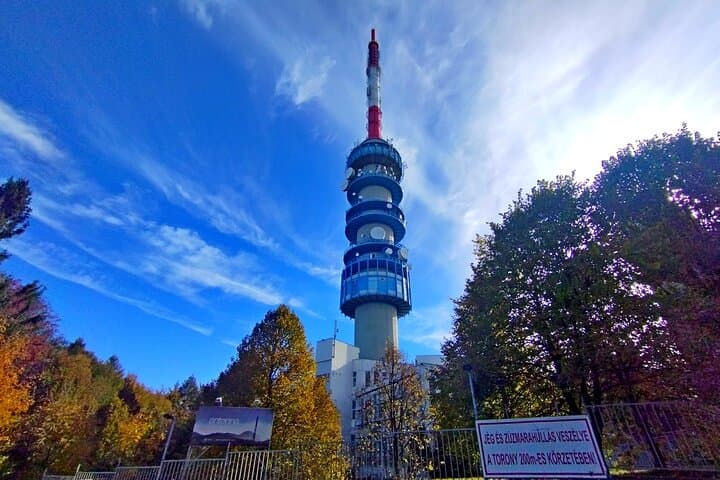
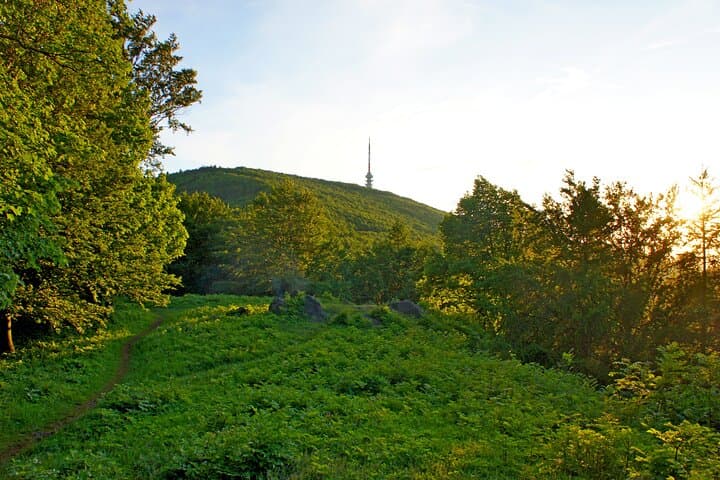
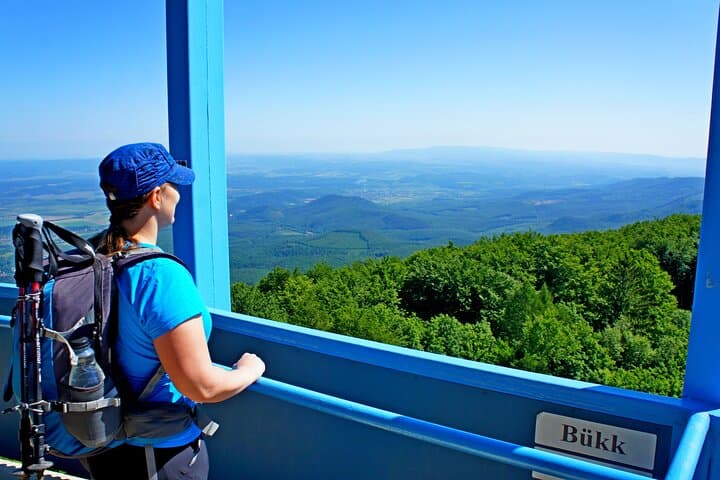
The bus hums out of Budapest before dawn, city glass blurring into fields. Hours later you step into a beech forest whose trunks press the sky, the path pitching upward like a challenge dared. The ascent climbs to Kékes (1,014 m), Hungary’s highest point, where a tall telecommunication tower and its panorama terrace stretch above the treeline and hand you a wide, clean view of the Mátra ridges and the plains beyond.
The bus hums out of Budapest before dawn, city glass blurring into fields. Hours later you step into a beech forest whose trunks press the sky, the path pitching upward like a challenge dared. The ascent climbs to Kékes (1,014 m), Hungary’s highest point, where a tall telecommunication tower and its panorama terrace stretch above the treeline and hand you a wide, clean view of the Mátra ridges and the plains beyond.
Mátra is a volcanic massif shaped in the Miocene; its slopes are carpeted in beech and oak, cut by old shepherd tracks and wartime lookout points. The summit’s tower is a modern waypoint atop a landscape once used for timber, grazing and strategic observation. Cultural traces—small stone walls, rural chapels and scattered ruins—hint at a long human presence between forest and plain.
Expect sustained uphill on mixed dirt and stony trails, several lookout points on the north slope, and a descent that takes you past a ruined hill fort before the final walk to a village bus stop. The route covers varied terrain and can be muddy after rain; underfoot grip and steady pacing matter more than speed.
Practical tips: start early to avoid heat and to fit transit time, carry 2–3 liters of water, and layer for wind on the summit. The tour issues a completion badge—carry ID, snacks, and basic blister care. With steady legs and basic hiking gear, this is a full-day, high-reward excursion into one of Hungary’s most accessible mountain experiences.