THE ADVENTURE COLLECTIVE® · Independent discovery and booking for outdoor travel

A high-altitude day hike from Cusco rewards you with a turquoise glacial lagoon and dramatic views of Salkantay. Expect a steep 2-hour climb at 4,200 m, cultural context from Quechua highlands, and a long but doable 10–14 hour day including transport.
A high-altitude day hike from Cusco rewards you with a turquoise glacial lagoon and dramatic views of Salkantay. Expect a steep 2-hour climb at 4,200 m, cultural context from Quechua highlands, and a long but doable 10–14 hour day including transport.
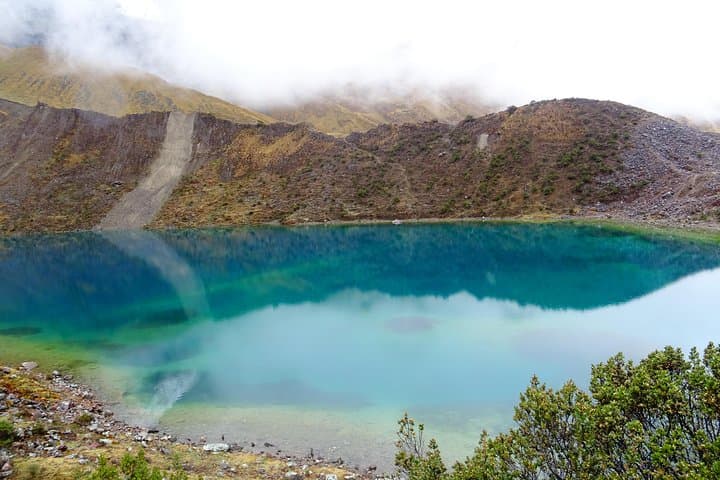
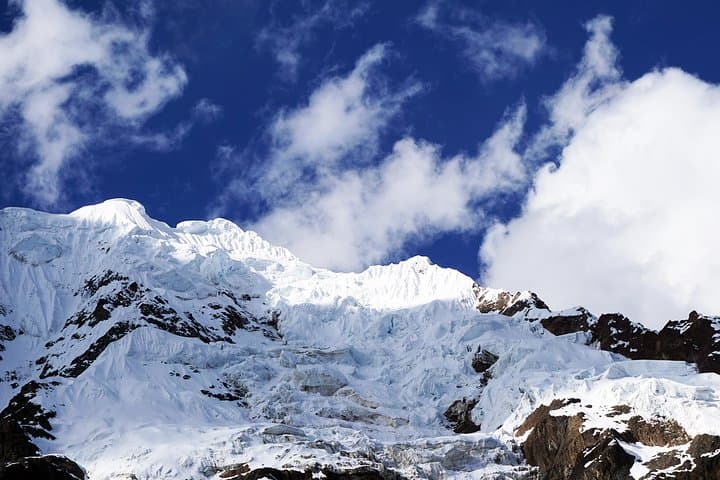
Pre-dawn van lights pick you up in Cusco and the road unfurls west toward Soraypampa, the high alpine plain beneath Salkantay. By the time the world lights up, you’re stepping from a wind-scoured parking area onto a steep trail that rises through puna grass and scree. The climb presses lungs and legs; at the ridge the water below announces itself—an intense turquoise bowl cupped against the white flank of Salkantay.
Verified experiences and guided adventures in the surrounding area.
Operated by Ritisuyo · Cusco, Cusco Region
Pre-dawn van lights pick you up in Cusco and the road unfurls west toward Soraypampa, the high alpine plain beneath Salkantay. By the time the world lights up, you’re stepping from a wind-scoured parking area onto a steep trail that rises through puna grass and scree. The climb presses lungs and legs; at the ridge the water below announces itself—an intense turquoise bowl cupped against the white flank of Salkantay.
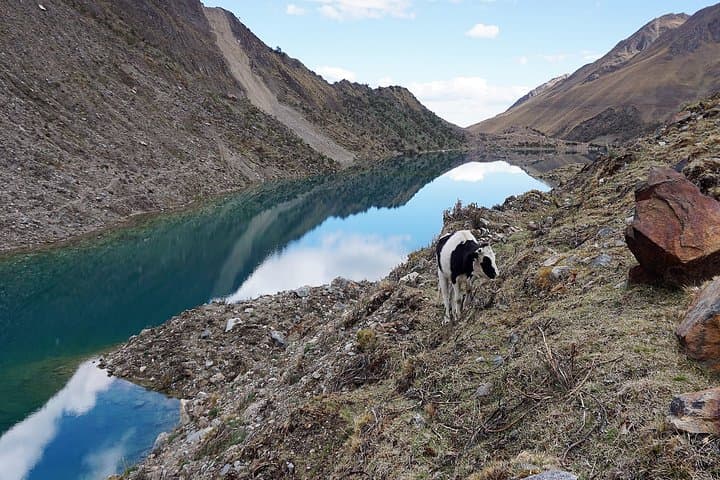
Humantay is a glacially fed lagoon sitting around 4,200 m (13,780 ft), formed in a cirque carved by ice and fed by melt from the Salkantay massif. For local Quechua communities the peaks are apus—sacred mountains that shaped routes, ritual practice, and seasonal grazing. Geologically, you’ll notice sharp moraine edges and glacial polish where ice once scoured the valley; culturally you’ll see llamas and highland herders on distant slopes.
Expect a 2–3 hour roundtrip uphill trek from Soraypampa (roughly 4–6 km roundtrip) with about 400–500 m of elevation gain on dirt and rocky switchbacks. The full tour from Cusco runs 10–14 hours including transport.
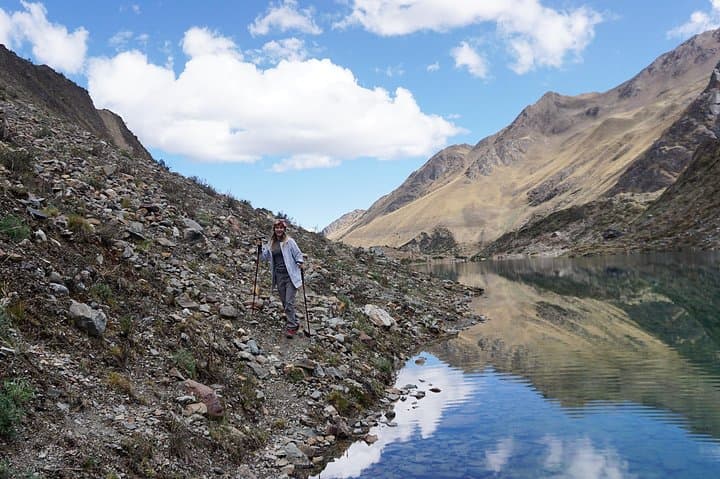
Practical tips: acclimatize in Cusco for 24–48 hours, hike slowly, and bring layered clothing for fierce sun, wind, and cold at the lagoon. Use trekking poles for the steep return and carry extra water—altitude saps hydration. Guides typically include breakfast and lunch; still bring high-energy snacks and a camera with spare battery—the color of the lake and the Salkantay silhouette reward the early climb.
challenging.
10–14 hours.
Should be in good cardiovascular shape and comfortable with steep climbs at high altitude; prior hiking experience helpful.
The uphill portion typically takes about 1.5–2 hours each way depending on fitness and acclimatization; plan for 2–3 hours roundtrip for the trail itself.
Yes—Humantay sits near 4,200 m. Spend at least a day or two in Cusco (3,400 m) and monitor for altitude symptoms; the tour is not recommended for those with serious heart conditions.
Most day tours include breakfast and lunch during the itinerary, but bring snacks and water for the hike and energy between meals.
Children and older adults can do the hike if acclimatized and in good health, but the steep, short climb at altitude can be strenuous—check with a guide and consider hiring a mule or resting frequently.
Salkantay has long been a sacred Apu in Quechua belief and served as a landmark for pre-Columbian and Inca routes connecting the highlands to cloud forest valleys.
The area is fragile alpine tundra; stick to trails, avoid disturbing bofedales and pack out all waste to protect water sources and vegetation.
Ritisuyo operates guided outdoor trips and adventures with an emphasis on safety, stewardship, and memorable experiences.
Pre-dawn van lights pick you up in Cusco and the road unfurls west toward Soraypampa, the high alpine plain beneath Salkantay. By the time the world lights up, you’re stepping from a wind-scoured parking area onto a steep trail that rises through puna grass and scree. The climb presses lungs and legs; at the ridge the water below announces itself—an intense turquoise bowl cupped against the white flank of Salkantay.
Pre-dawn van lights pick you up in Cusco and the road unfurls west toward Soraypampa, the high alpine plain beneath Salkantay. By the time the world lights up, you’re stepping from a wind-scoured parking area onto a steep trail that rises through puna grass and scree. The climb presses lungs and legs; at the ridge the water below announces itself—an intense turquoise bowl cupped against the white flank of Salkantay.
Humantay is a glacially fed lagoon sitting around 4,200 m (13,780 ft), formed in a cirque carved by ice and fed by melt from the Salkantay massif. For local Quechua communities the peaks are apus—sacred mountains that shaped routes, ritual practice, and seasonal grazing. Geologically, you’ll notice sharp moraine edges and glacial polish where ice once scoured the valley; culturally you’ll see llamas and highland herders on distant slopes.
Expect a 2–3 hour roundtrip uphill trek from Soraypampa (roughly 4–6 km roundtrip) with about 400–500 m of elevation gain on dirt and rocky switchbacks. The full tour from Cusco runs 10–14 hours including transport.
Practical tips: acclimatize in Cusco for 24–48 hours, hike slowly, and bring layered clothing for fierce sun, wind, and cold at the lagoon. Use trekking poles for the steep return and carry extra water—altitude saps hydration. Guides typically include breakfast and lunch; still bring high-energy snacks and a camera with spare battery—the color of the lake and the Salkantay silhouette reward the early climb.