THE ADVENTURE COLLECTIVE® · Independent discovery and booking for outdoor travel

Walk across fresh lava and peer toward an active crater on a half-day trip from Guatemala City. This practical guide covers what to expect on the hike, safety considerations, and how to prepare for the high-altitude, rocky terrain.
Walk across fresh lava and peer toward an active crater on a half-day trip from Guatemala City. This practical guide covers what to expect on the hike, safety considerations, and how to prepare for the high-altitude, rocky terrain.
Morning light slices across a blackened field of lava as the air cools and the trail hums with the sound of footsteps and distant steam. On the walk up Pacaya you move from farmland into a raw volcanic landscape: cactus and scrub give way to jagged, glassy rock where recent flows have frozen mid-motion. The active crater hisses ahead, a reminder that this mountain is alive.
Verified experiences and guided adventures in the surrounding area.
Operated by JAGUAR TRAVELS · San Vicente Pacaya, Escuintla
Morning light slices across a blackened field of lava as the air cools and the trail hums with the sound of footsteps and distant steam. On the walk up Pacaya you move from farmland into a raw volcanic landscape: cactus and scrub give way to jagged, glassy rock where recent flows have frozen mid-motion. The active crater hisses ahead, a reminder that this mountain is alive.
Pacaya (approx. 2,500 m) became one of Guatemala’s most accessible active volcanoes after repeated eruptions shaped its slopes through the 19th and 20th centuries. Its basalt flows are young — geologically recent — and the route passes petrified lava, fumaroles and vistas over the Guatemala City basin and the Pacific lowlands. Local communities around Pacaya cultivate coffee and maize; guides often point out lava-used features and the way eruptions altered travel and farming here.
Practically: the shared day tour runs about 6–7 hours with pickup from Guatemala City early morning. Expect roughly 1–1.5 hours of uphill walking to reach lava fields and crater viewpoints on uneven, rocky terrain with modest elevation gain. Wear sturdy hiking shoes, sun protection, and bring 1–2 liters of water; volcanic ash and steam can irritate lungs, so those with respiratory or heart conditions should avoid strenuous sections. Guides handle permits and routing; stay on marked paths, keep a safe distance from active vents, and follow your guide’s instructions. Return to the city is mid-afternoon. For a compact, intense volcanic day trip, Pacaya delivers raw geology, immediate views of active processes, and a tangible sense of landscape in motion.
moderate.
6–7 hours.
Moderate fitness—comfortable walking uphill for 60–90 minutes on uneven terrain; ability to manage rocky descents required.
Expect about 60–90 minutes of uphill walking from the trailhead to the main lava field and crater viewpoints, depending on pace and group fitness.
Pacaya is active and you can often see fumaroles and recent flows; guides keep groups at safe viewing distances — direct contact with lava is hazardous and not permitted.
This tour is not recommended for pregnant travelers or those with serious back, heart, or respiratory conditions; infants must sit on an adult’s lap during transport.
Typical inclusions are a local guide, entrance to Pacaya National Park, bottled water and round-trip air-conditioned transport from Guatemala City, with return mid-afternoon (around 14:00).
Pacaya’s frequent eruptions over the last two centuries reshaped local routes and agriculture; nearby populations have long adapted farming practices to volcanic soils.
Stay on marked trails to protect fragile, slowly recolonizing volcanic surfaces and avoid removing rocks or vegetation; use local guides to minimize impact.
JAGUAR TRAVELS operates guided outdoor trips and adventures with an emphasis on safety, stewardship, and memorable experiences.

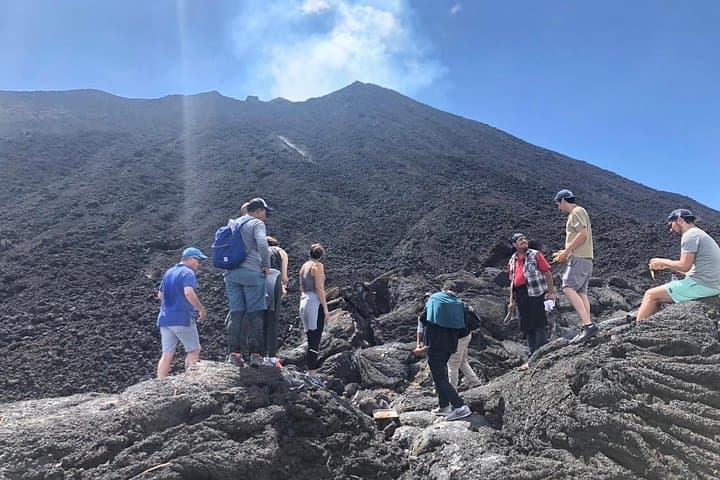
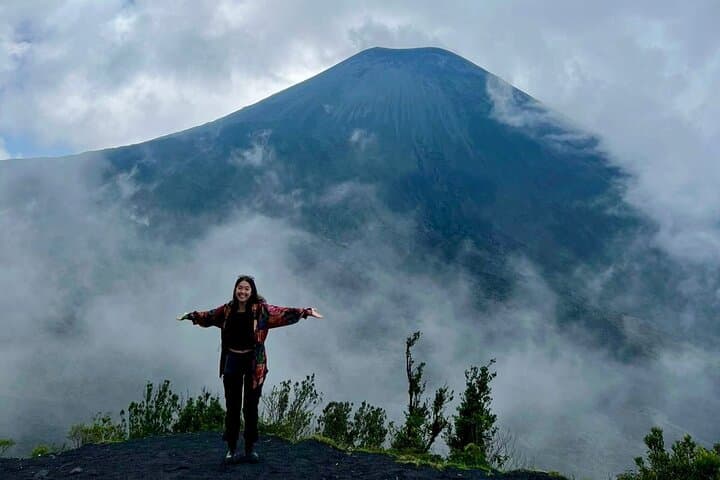
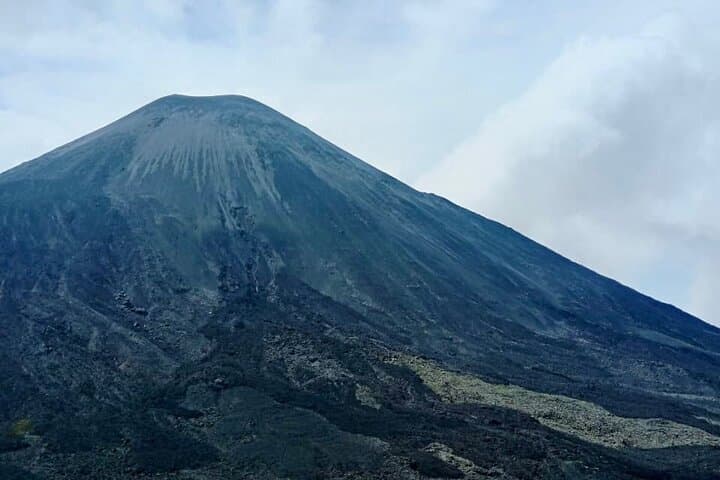
Morning light slices across a blackened field of lava as the air cools and the trail hums with the sound of footsteps and distant steam. On the walk up Pacaya you move from farmland into a raw volcanic landscape: cactus and scrub give way to jagged, glassy rock where recent flows have frozen mid-motion. The active crater hisses ahead, a reminder that this mountain is alive.
Morning light slices across a blackened field of lava as the air cools and the trail hums with the sound of footsteps and distant steam. On the walk up Pacaya you move from farmland into a raw volcanic landscape: cactus and scrub give way to jagged, glassy rock where recent flows have frozen mid-motion. The active crater hisses ahead, a reminder that this mountain is alive.
Pacaya (approx. 2,500 m) became one of Guatemala’s most accessible active volcanoes after repeated eruptions shaped its slopes through the 19th and 20th centuries. Its basalt flows are young — geologically recent — and the route passes petrified lava, fumaroles and vistas over the Guatemala City basin and the Pacific lowlands. Local communities around Pacaya cultivate coffee and maize; guides often point out lava-used features and the way eruptions altered travel and farming here.
Practically: the shared day tour runs about 6–7 hours with pickup from Guatemala City early morning. Expect roughly 1–1.5 hours of uphill walking to reach lava fields and crater viewpoints on uneven, rocky terrain with modest elevation gain. Wear sturdy hiking shoes, sun protection, and bring 1–2 liters of water; volcanic ash and steam can irritate lungs, so those with respiratory or heart conditions should avoid strenuous sections. Guides handle permits and routing; stay on marked paths, keep a safe distance from active vents, and follow your guide’s instructions. Return to the city is mid-afternoon. For a compact, intense volcanic day trip, Pacaya delivers raw geology, immediate views of active processes, and a tangible sense of landscape in motion.