THE ADVENTURE COLLECTIVE® · Independent discovery and booking for outdoor travel

Leave Marrakech for a day in the High Atlas: a short drive to Imlil, a guided walk to the village of Armed, a traditional Berber meal, and views toward Mount Toubkal. Practical and immersive, this trip suits travelers wanting mountain culture without multi-day trekking.
Leave Marrakech for a day in the High Atlas: a short drive to Imlil, a guided walk to the village of Armed, a traditional Berber meal, and views toward Mount Toubkal. Practical and immersive, this trip suits travelers wanting mountain culture without multi-day trekking.
A ribbon of road drops out of Marrakech and the city heat loosens its grip as you climb toward the High Atlas. By midmorning the town of Imlil appears: clusters of stone houses stacked on terraces, a stream that dares you to follow it upstream, and trails that lead into narrow, sun-baked gullies and pine-scented slopes. The valley frames Mount Toubkal, Morocco’s highest peak, as a distant, ever-present outline.
Verified experiences and guided adventures in the surrounding area.
Operated by Easy take travel · Imlil, Marrakech-Safi
A ribbon of road drops out of Marrakech and the city heat loosens its grip as you climb toward the High Atlas. By midmorning the town of Imlil appears: clusters of stone houses stacked on terraces, a stream that dares you to follow it upstream, and trails that lead into narrow, sun-baked gullies and pine-scented slopes. The valley frames Mount Toubkal, Morocco’s highest peak, as a distant, ever-present outline.
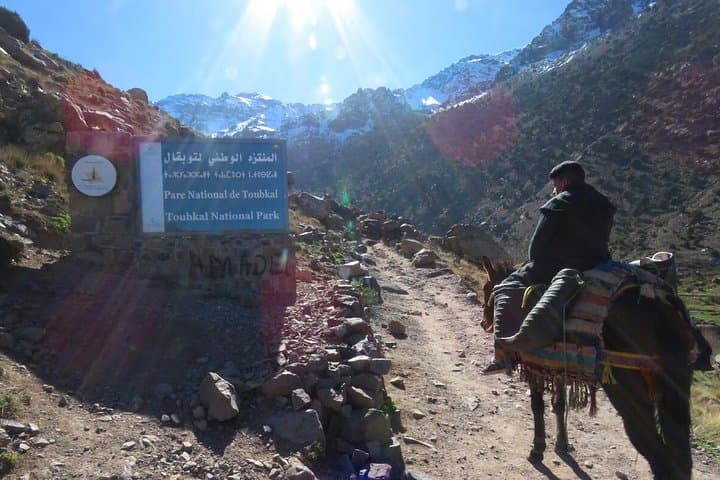
The route follows ancient mule tracks used by Berber farmers; the ecology shifts quickly from cultivated terraces to rocky talus and cedar stands. Imlil has long been a staging point for summit attempts on Toubkal and for trade between mountain communities and Marrakech. Local kasbahs—fortified homes—speak to a layered history of Amazigh (Berber) life, seasonal grazing, and craftsmen who still bake communal bread and pour mint tea with ritual grace.
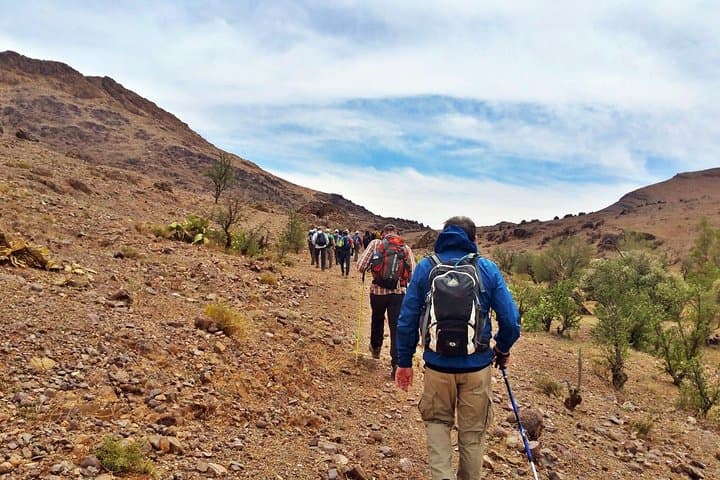
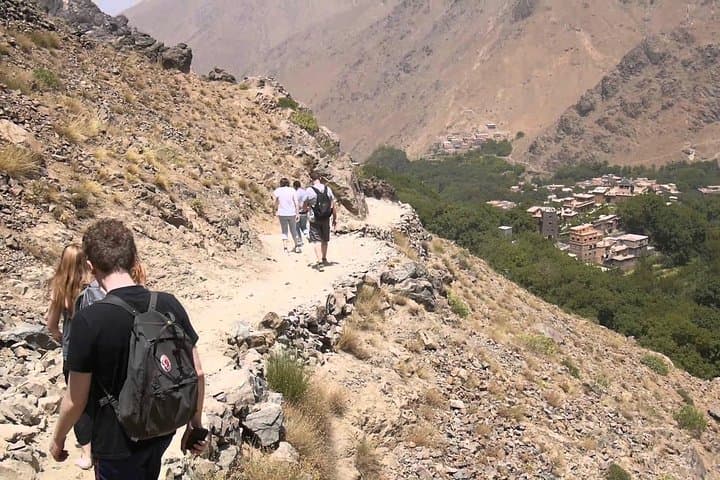
Expect a mix of easy walking and short steeper sections if you opt for the guided hour-long climb to Armed. Terrain is dry scree, packed dirt, and stone steps; weather can change fast with altitude. Practicalities: start early from Marrakech to avoid heat, wear sturdy shoes, carry at least 1–2 liters of water, and bring sun protection. Take time to learn tea rituals from hosts in Imlil and hire a local guide to deepen cultural context while supporting the village economy.
This day trip blends accessible hiking, tangible mountain culture, and geology that shifts from red alluvial fans to folded, ancient metamorphic rock—an efficient, rewarding slice of the High Atlas for active travelers.
moderate.
8–10 hours.
Moderate; suitable for travelers who can manage short uphill walks of 30–60 minutes at altitude.
Yes—hotel pickup and drop-off by air-conditioned vehicle are included in the tour.
The one-hour walk is moderate with some uphill sections; participants of average fitness can usually complete it with rest stops.
A traditional Berber meal in Imlil is included, typically tagine, salads, and homemade bread, with a mint tea demonstration.
Tipping is customary for guides and drivers; leave what feels appropriate—small daily amounts or a single sum at trip end are common.
Imlil is a traditional Amazigh (Berber) valley community and the classic staging point for ascents of Mount Toubkal, which dominates the High Atlas landscape.
Trails are fragile; stay on designated paths, avoid single-use plastics, and hire local guides to ensure tourism benefits the mountain communities.
Easy take travel operates guided outdoor trips and adventures with an emphasis on safety, stewardship, and memorable experiences.
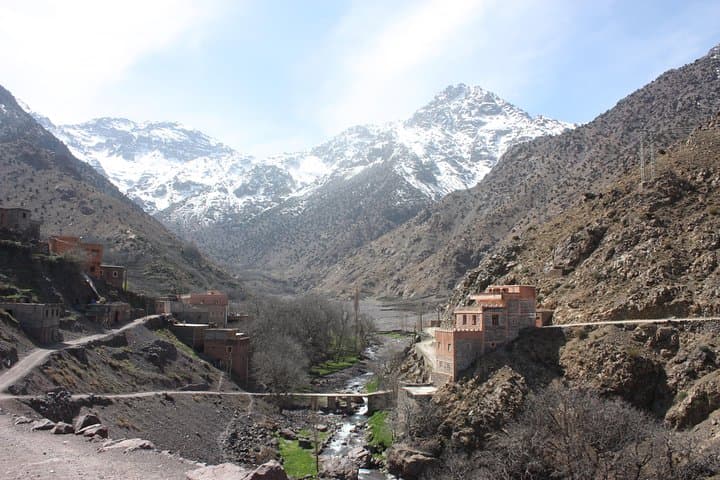
A ribbon of road drops out of Marrakech and the city heat loosens its grip as you climb toward the High Atlas. By midmorning the town of Imlil appears: clusters of stone houses stacked on terraces, a stream that dares you to follow it upstream, and trails that lead into narrow, sun-baked gullies and pine-scented slopes. The valley frames Mount Toubkal, Morocco’s highest peak, as a distant, ever-present outline.
A ribbon of road drops out of Marrakech and the city heat loosens its grip as you climb toward the High Atlas. By midmorning the town of Imlil appears: clusters of stone houses stacked on terraces, a stream that dares you to follow it upstream, and trails that lead into narrow, sun-baked gullies and pine-scented slopes. The valley frames Mount Toubkal, Morocco’s highest peak, as a distant, ever-present outline.
The route follows ancient mule tracks used by Berber farmers; the ecology shifts quickly from cultivated terraces to rocky talus and cedar stands. Imlil has long been a staging point for summit attempts on Toubkal and for trade between mountain communities and Marrakech. Local kasbahs—fortified homes—speak to a layered history of Amazigh (Berber) life, seasonal grazing, and craftsmen who still bake communal bread and pour mint tea with ritual grace.
Expect a mix of easy walking and short steeper sections if you opt for the guided hour-long climb to Armed. Terrain is dry scree, packed dirt, and stone steps; weather can change fast with altitude. Practicalities: start early from Marrakech to avoid heat, wear sturdy shoes, carry at least 1–2 liters of water, and bring sun protection. Take time to learn tea rituals from hosts in Imlil and hire a local guide to deepen cultural context while supporting the village economy.
This day trip blends accessible hiking, tangible mountain culture, and geology that shifts from red alluvial fans to folded, ancient metamorphic rock—an efficient, rewarding slice of the High Atlas for active travelers.