THE ADVENTURE COLLECTIVE® · Independent discovery and booking for outdoor travel

A compact day hike from Pokhara that combines riverside crossings, Harihar Cave, and village trails through Armala, Atighar and Mauja. Expect farmland paths, ridge views of the Annapurnas, and a cultural taste of rural Nepali life.
A compact day hike from Pokhara that combines riverside crossings, Harihar Cave, and village trails through Armala, Atighar and Mauja. Expect farmland paths, ridge views of the Annapurnas, and a cultural taste of rural Nepali life.
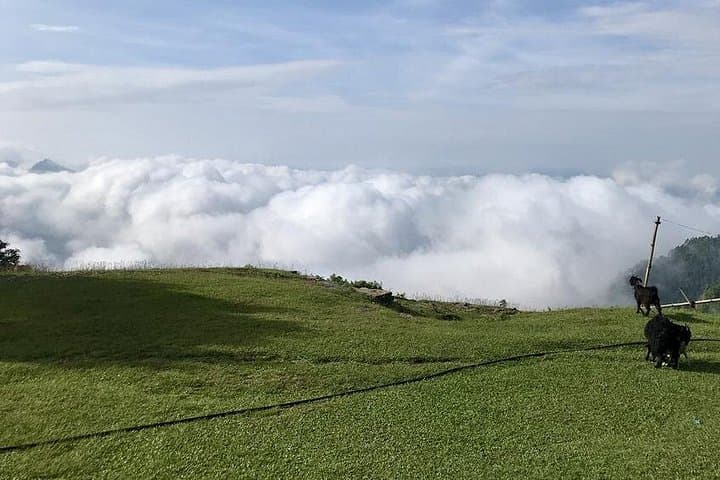
You step off the private transfer where the road thins and the valley opens — Long Bridge arcs over a low river, fields stepping down like worn terraces toward Pokhara. The path climbs past paddy edges, threads through small villages, and slips into a cedar-and-oak shoulder that keeps the afternoon light dappled. Harihar Cave, a simple meditation temple carved into the hill, sits cool and quiet; beyond it, Armala’s ridgeline releases a wide view of the Annapurnas and the sweep of Phewa Lake.
Verified experiences and guided adventures in the surrounding area.
Operated by Couch Adventure Nepal (CAN) · Pokhara, Gandaki Province
You step off the private transfer where the road thins and the valley opens — Long Bridge arcs over a low river, fields stepping down like worn terraces toward Pokhara. The path climbs past paddy edges, threads through small villages, and slips into a cedar-and-oak shoulder that keeps the afternoon light dappled. Harihar Cave, a simple meditation temple carved into the hill, sits cool and quiet; beyond it, Armala’s ridgeline releases a wide view of the Annapurnas and the sweep of Phewa Lake.
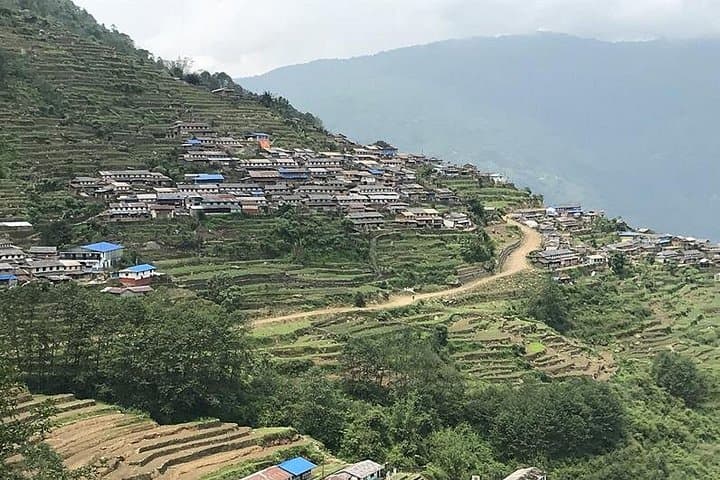
This day hike traces routes used by local farmers and traders for generations. The geology here is young Himalaya: folded sedimentary rock uplifted and cut by seasonal streams that have carved the shallow gullies and fertile terraces you walk on. Culture is visible in small ways — prayer flags, stone chautaras (resting platforms), and homes built with packed earth and corrugated metal roofs. Atighar and Mauja are working villages; expect terraced fields, livestock on paths, and the sounds of village life.
Practically, the route is predominantly well-marked trails and short local tracks with a few steeper pitches; expect around 6–7 hours including stops. Water is limited outside villages, so carry more than you think. Wear sturdy shoes for loose stones and damp patches near the cave. Start early to avoid afternoon heat and to catch clear mountain light. Guides from Pokhara handle logistics and local etiquette, including introductions to residents if you want to learn about farming methods or seasonal festivals.
easy.
6–7 hours.
Suitable for most hikers with basic fitness; comfortable walking for several hours and short uphill segments required.
The route is classified easy—mostly village tracks and short forest paths—suitable for most fitness levels though it lasts 6–7 hours with some uphill sections.
A guide is not mandatory but recommended for navigation on lesser-used tracks, cultural context, and arranging transport to/from Pokhara.
Small village shops may sell snacks and water, but availability is limited; bring sufficient water and snacks for the day.
October–December and March–May offer the clearest mountain views and comfortable temperatures; avoid heavy monsoon months if possible.
Trails around Armala and Mauja have long linked hill farms to Pokhara’s markets; nearby Gurkha history is visible at the museum locations and traditional settlement patterns.
Stick to established paths, pack out all waste, and avoid feeding wildlife to minimize disturbance to village ecosystems and water sources.
Couch Adventure Nepal (CAN) operates guided outdoor trips and adventures with an emphasis on safety, stewardship, and memorable experiences.
You step off the private transfer where the road thins and the valley opens — Long Bridge arcs over a low river, fields stepping down like worn terraces toward Pokhara. The path climbs past paddy edges, threads through small villages, and slips into a cedar-and-oak shoulder that keeps the afternoon light dappled. Harihar Cave, a simple meditation temple carved into the hill, sits cool and quiet; beyond it, Armala’s ridgeline releases a wide view of the Annapurnas and the sweep of Phewa Lake.
You step off the private transfer where the road thins and the valley opens — Long Bridge arcs over a low river, fields stepping down like worn terraces toward Pokhara. The path climbs past paddy edges, threads through small villages, and slips into a cedar-and-oak shoulder that keeps the afternoon light dappled. Harihar Cave, a simple meditation temple carved into the hill, sits cool and quiet; beyond it, Armala’s ridgeline releases a wide view of the Annapurnas and the sweep of Phewa Lake.
This day hike traces routes used by local farmers and traders for generations. The geology here is young Himalaya: folded sedimentary rock uplifted and cut by seasonal streams that have carved the shallow gullies and fertile terraces you walk on. Culture is visible in small ways — prayer flags, stone chautaras (resting platforms), and homes built with packed earth and corrugated metal roofs. Atighar and Mauja are working villages; expect terraced fields, livestock on paths, and the sounds of village life.
Practically, the route is predominantly well-marked trails and short local tracks with a few steeper pitches; expect around 6–7 hours including stops. Water is limited outside villages, so carry more than you think. Wear sturdy shoes for loose stones and damp patches near the cave. Start early to avoid afternoon heat and to catch clear mountain light. Guides from Pokhara handle logistics and local etiquette, including introductions to residents if you want to learn about farming methods or seasonal festivals.