THE ADVENTURE COLLECTIVE® · Independent discovery and booking for outdoor travel

A long, steep single-day trek to Ba Den Mountain takes you to the highest peak in southeastern Vietnam — expect rocky trails, cultural shrines, and wide views over Tay Ninh. Perfect for fit hikers based in Ho Chi Minh City.
A long, steep single-day trek to Ba Den Mountain takes you to the highest peak in southeastern Vietnam — expect rocky trails, cultural shrines, and wide views over Tay Ninh. Perfect for fit hikers based in Ho Chi Minh City.
Morning air on the road to Ba Den Mountain tastes sharp with dust and citrus; fields roll past the van window and rubber plantations bend toward the horizon as the peak appears—a dark wedge rising over flat countryside. Arrive at the base and the trail immediately grabs your attention: steep switchbacks, exposed rock, and quick sections of jungle that force you to slow, listen, and pick your line.
Verified experiences and guided adventures in the surrounding area.
Operated by INDOTREK · Tay Ninh, Tay Ninh
Morning air on the road to Ba Den Mountain tastes sharp with dust and citrus; fields roll past the van window and rubber plantations bend toward the horizon as the peak appears—a dark wedge rising over flat countryside. Arrive at the base and the trail immediately grabs your attention: steep switchbacks, exposed rock, and quick sections of jungle that force you to slow, listen, and pick your line.
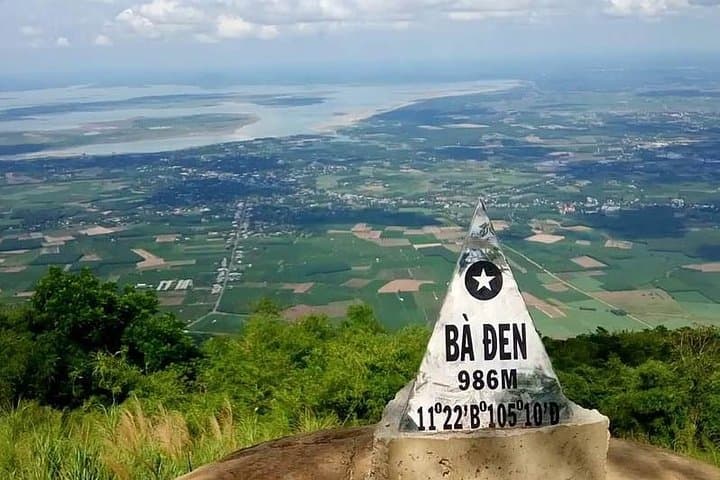
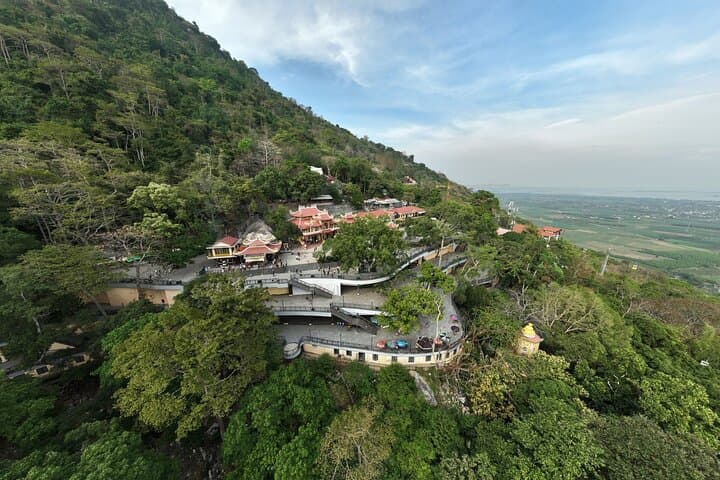
Ba Den (Núi Bà Đen) is the highest point in southeastern Vietnam at about 986 m, a volcanic core sculpted by erosion and lateritic soils that create sharp ridgelines and pockets of seasonal streams. The mountain has long cultural weight — shrines, caves and temples reflect local legends of a female guardian and centuries of pilgrimage. Guides will point out carved steps, small altars and the legacy of nearby Cao Đài and Buddhist worship.
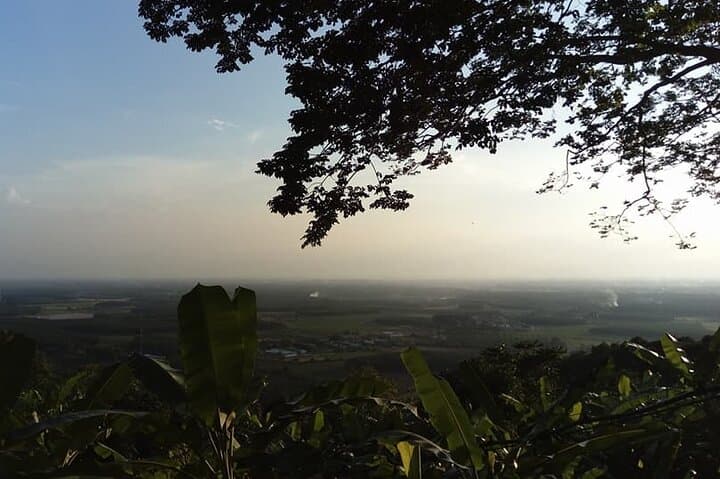
Expect a strenuous ascent of roughly 2.5–3 hours on rocky, uneven ground with short, steep pitches; the descent follows a sharper route toward Ba Den Temple, or you can elect the one-way cable car to the base. The summit rewards effort with broad vistas over rice paddies and the red roofs of Tay Ninh.
Practical notes: start early to avoid midday heat, carry at least 2 liters of water, wear grippy footwear, and pack a lightweight rain layer in wet season. Trails can be slippery after rain and mobile reception is intermittent; a local guide makes the day safer and richer with cultural context. If you're coming from Ho Chi Minh City, plan for a three-hour transfer each way and a long, full day on the trail.
challenging.
10–12 hours.
Good cardiovascular fitness and strong legs for sustained steep climbs; comfortable with uneven terrain and short exposed sections.
The trail is steep and rocky in places; expect a challenging 2.5–3 hour ascent that requires good fitness and steady footing.
Many choose to hike up and ride the cable car down; the cable car can be taken one-way to shorten the return if available.
A local English-speaking guide is recommended for safety, navigation and cultural context, and is typically included in day tours from Ho Chi Minh City.
Dry months (November–April) offer firmer trails and clearer views; avoid the heaviest rains during the monsoon when trails are slippery.
Ba Den Mountain is part of the Nui Ba Historical and Cultural Complex and has been a site of pilgrimage and local legend for centuries, with temples and stories tied to a protective female spirit.
Stay on established trails, carry out all trash, and avoid feeding wildlife—these simple acts help protect fragile soils and cultural sites on this popular day route.
INDOTREK operates guided outdoor trips and adventures with an emphasis on safety, stewardship, and memorable experiences.

Morning air on the road to Ba Den Mountain tastes sharp with dust and citrus; fields roll past the van window and rubber plantations bend toward the horizon as the peak appears—a dark wedge rising over flat countryside. Arrive at the base and the trail immediately grabs your attention: steep switchbacks, exposed rock, and quick sections of jungle that force you to slow, listen, and pick your line.
Morning air on the road to Ba Den Mountain tastes sharp with dust and citrus; fields roll past the van window and rubber plantations bend toward the horizon as the peak appears—a dark wedge rising over flat countryside. Arrive at the base and the trail immediately grabs your attention: steep switchbacks, exposed rock, and quick sections of jungle that force you to slow, listen, and pick your line.
Ba Den (Núi Bà Đen) is the highest point in southeastern Vietnam at about 986 m, a volcanic core sculpted by erosion and lateritic soils that create sharp ridgelines and pockets of seasonal streams. The mountain has long cultural weight — shrines, caves and temples reflect local legends of a female guardian and centuries of pilgrimage. Guides will point out carved steps, small altars and the legacy of nearby Cao Đài and Buddhist worship.
Expect a strenuous ascent of roughly 2.5–3 hours on rocky, uneven ground with short, steep pitches; the descent follows a sharper route toward Ba Den Temple, or you can elect the one-way cable car to the base. The summit rewards effort with broad vistas over rice paddies and the red roofs of Tay Ninh.
Practical notes: start early to avoid midday heat, carry at least 2 liters of water, wear grippy footwear, and pack a lightweight rain layer in wet season. Trails can be slippery after rain and mobile reception is intermittent; a local guide makes the day safer and richer with cultural context. If you're coming from Ho Chi Minh City, plan for a three-hour transfer each way and a long, full day on the trail.