THE ADVENTURE COLLECTIVE® · Independent discovery and booking for outdoor travel

Walk from Lalibela to Hudade Lodge past grazing geladas, hyrax-strewn outcrops and sweeping highland views, finishing with a visit to Asheton Maryam monastery. This practical day-hike combines wildlife viewing, local culture and a lodge lunch in one accessible circuit.
Walk from Lalibela to Hudade Lodge past grazing geladas, hyrax-strewn outcrops and sweeping highland views, finishing with a visit to Asheton Maryam monastery. This practical day-hike combines wildlife viewing, local culture and a lodge lunch in one accessible circuit.
Morning light spills across the highland plateau as you step out of Lalibela’s compact streets — the air thin, cool and clear at roughly 2,500 meters.
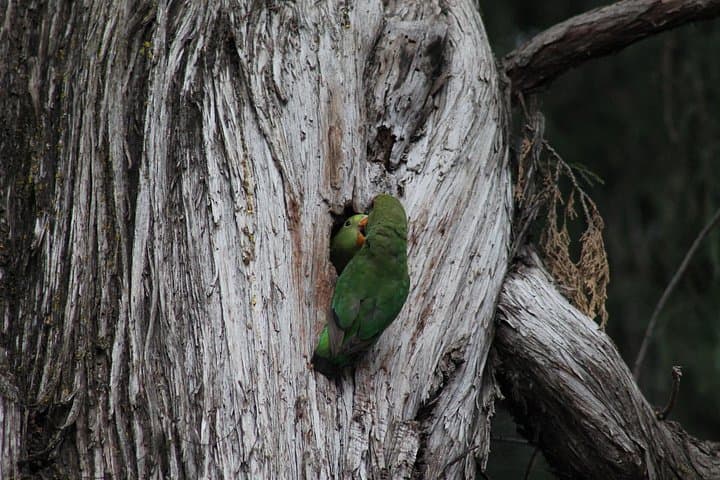
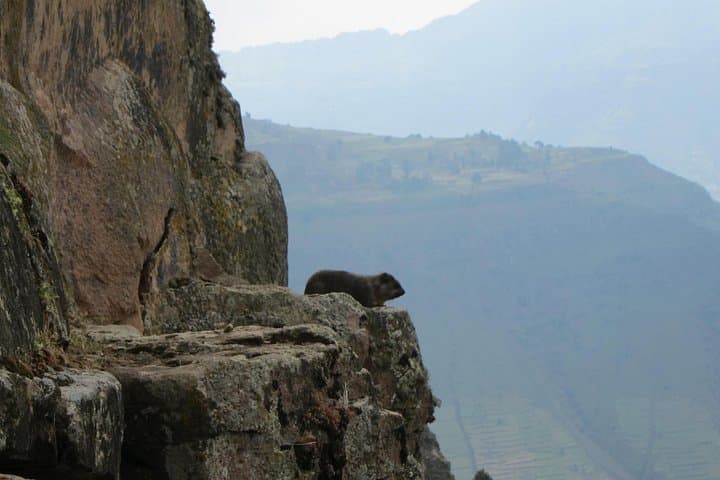
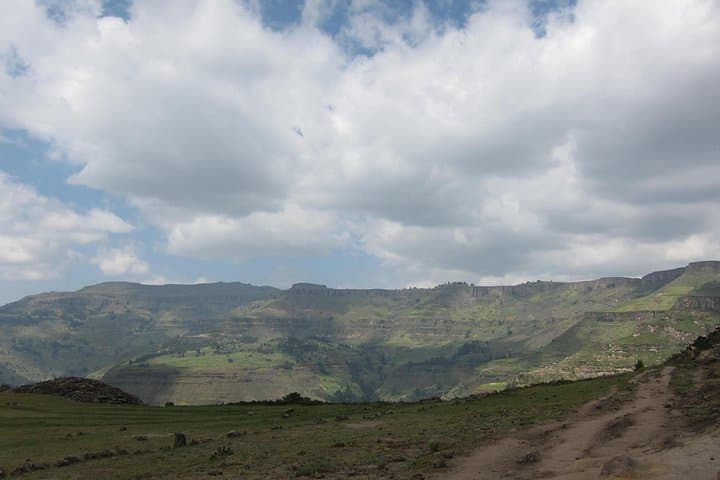
The trail climbs gently from town toward Hudade (Hudad) Lodge, cutting through open moorland where gelada baboons graze on grasses and the wind seems to push you onward. Birds lift off like punctuation; hyraxes peer from rock ledges as the route opens to wide panoramas of eroded volcanic ridges.
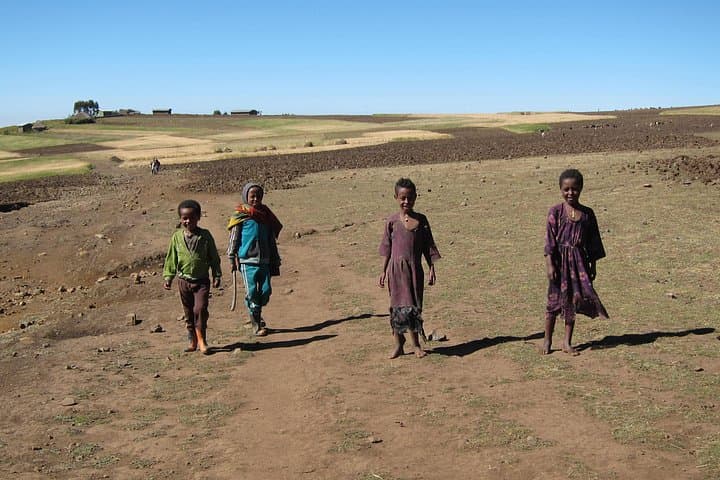
Lalibela’s carved-rock churches date to the 12th century and the area sits on basalt and ignimbrite flows that shaped these cliffs and valleys. Local Amhara village life and Orthodox Christian practices thread the walk — small stone chapels, terraced fields and the distant bell of Asheton Maryam Monastery marking a cultural waypoint.
Expect roughly 8–12 km (5–7 mi) round-trip on unpaved tracks, dry grassland and some rocky steps; total elevation gain is moderate (around 200–400 m) depending on the exact route. The hike is an active introduction to Ethiopian highland ecology — the land presses back in weather and altitude, so pace conservatively.
Practical guidance: start early for cooler conditions and better wildlife viewing, bring at least 2–3 liters of water, and save energy for the ascent to the monastery overlook. Lunch at Hudade Lodge is a welcome, local-flavored midday reset before the return. Respect grazing areas and monastery customs: dress modestly, ask before photographing worshippers, and give wildlife space. This is a day that pairs cultural history with tangible, highland terrain — honest, scenic and distinctly Ethiopian.
Verified experiences and guided adventures in the surrounding area.
Operated by Extraordinary Ethiopia Tours · Lalibela, Amhara
Morning light spills across the highland plateau as you step out of Lalibela’s compact streets — the air thin, cool and clear at roughly 2,500 meters.
The trail climbs gently from town toward Hudade (Hudad) Lodge, cutting through open moorland where gelada baboons graze on grasses and the wind seems to push you onward. Birds lift off like punctuation; hyraxes peer from rock ledges as the route opens to wide panoramas of eroded volcanic ridges.
Lalibela’s carved-rock churches date to the 12th century and the area sits on basalt and ignimbrite flows that shaped these cliffs and valleys. Local Amhara village life and Orthodox Christian practices thread the walk — small stone chapels, terraced fields and the distant bell of Asheton Maryam Monastery marking a cultural waypoint.
Expect roughly 8–12 km (5–7 mi) round-trip on unpaved tracks, dry grassland and some rocky steps; total elevation gain is moderate (around 200–400 m) depending on the exact route. The hike is an active introduction to Ethiopian highland ecology — the land presses back in weather and altitude, so pace conservatively.
Practical guidance: start early for cooler conditions and better wildlife viewing, bring at least 2–3 liters of water, and save energy for the ascent to the monastery overlook. Lunch at Hudade Lodge is a welcome, local-flavored midday reset before the return. Respect grazing areas and monastery customs: dress modestly, ask before photographing worshippers, and give wildlife space. This is a day that pairs cultural history with tangible, highland terrain — honest, scenic and distinctly Ethiopian.
moderate.
5–8 hours.
Participants should have moderate fitness — able to sustain steady uphill walking and brief rocky sections at altitude.
Moderate — steady walking on uneven, unpaved trails with some rocky steps; appropriate for those with basic hiking experience.
Yes — geladas are commonly seen along the route near Hudade; sightings are more likely in the morning when they feed in open grasslands.
Most departures meet at hotels in Lalibela; private guides typically handle navigation, cultural briefings and hotel pickup/return.
Lalibela sits around 2,500 m; allow time to acclimate, monitor for breathlessness or headache, and descend if symptoms worsen.
Lalibela is famed for its 12th‑century rock‑cut churches; surrounding trails follow highland ridges carved from ancient volcanic flows that shaped the local landscape.
Stick to existing trails to protect fragile highland grasses and pastoral fields; respect grazing rotations and avoid leaving food that can alter wildlife behavior.
Extraordinary Ethiopia Tours operates guided outdoor trips and adventures with an emphasis on safety, stewardship, and memorable experiences.
Morning light spills across the highland plateau as you step out of Lalibela’s compact streets — the air thin, cool and clear at roughly 2,500 meters.
The trail climbs gently from town toward Hudade (Hudad) Lodge, cutting through open moorland where gelada baboons graze on grasses and the wind seems to push you onward. Birds lift off like punctuation; hyraxes peer from rock ledges as the route opens to wide panoramas of eroded volcanic ridges.
Lalibela’s carved-rock churches date to the 12th century and the area sits on basalt and ignimbrite flows that shaped these cliffs and valleys. Local Amhara village life and Orthodox Christian practices thread the walk — small stone chapels, terraced fields and the distant bell of Asheton Maryam Monastery marking a cultural waypoint.
Expect roughly 8–12 km (5–7 mi) round-trip on unpaved tracks, dry grassland and some rocky steps; total elevation gain is moderate (around 200–400 m) depending on the exact route. The hike is an active introduction to Ethiopian highland ecology — the land presses back in weather and altitude, so pace conservatively.
Practical guidance: start early for cooler conditions and better wildlife viewing, bring at least 2–3 liters of water, and save energy for the ascent to the monastery overlook. Lunch at Hudade Lodge is a welcome, local-flavored midday reset before the return. Respect grazing areas and monastery customs: dress modestly, ask before photographing worshippers, and give wildlife space. This is a day that pairs cultural history with tangible, highland terrain — honest, scenic and distinctly Ethiopian.