THE ADVENTURE COLLECTIVE® · Independent discovery and booking for outdoor travel

A full-day from Lomé that pairs a 6 km climb to Togo’s highest summit with a cultural stop in Dzigbe and a swim at the hidden Wome Waterfall. Expect steep trail, forest views, and a long but rewarding day.
A full-day from Lomé that pairs a 6 km climb to Togo’s highest summit with a cultural stop in Dzigbe and a swim at the hidden Wome Waterfall. Expect steep trail, forest views, and a long but rewarding day.
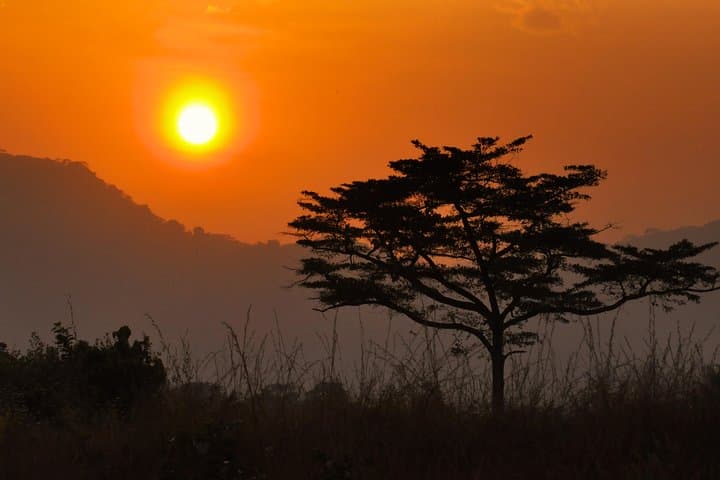
By first light the coastal flatlands behind Lomé fall away and the road tightens toward the green shoulders of Mount Agou. The drive to Kpalimé takes roughly two hours; the mountain itself rises to 986 meters, a compact, forested high point that rewards effort with wide valley views and a cool ridge line.
Verified experiences and guided adventures in the surrounding area.
Operated by Explore Africa For Impact · Kpalimé, Plateaux Region
By first light the coastal flatlands behind Lomé fall away and the road tightens toward the green shoulders of Mount Agou. The drive to Kpalimé takes roughly two hours; the mountain itself rises to 986 meters, a compact, forested high point that rewards effort with wide valley views and a cool ridge line.
Geology here is older than it looks — part of the Togo-Atakora uplands, the slopes are carved from ancient metamorphic rock and supported by deep soils that feed fast mountain streams. Culturally, this is Ewe country: stop at Dzigbe and you'll see homes built with local timber, cocoa and coffee plots clinging to the gradient, and villagers who still use traditional farming methods.
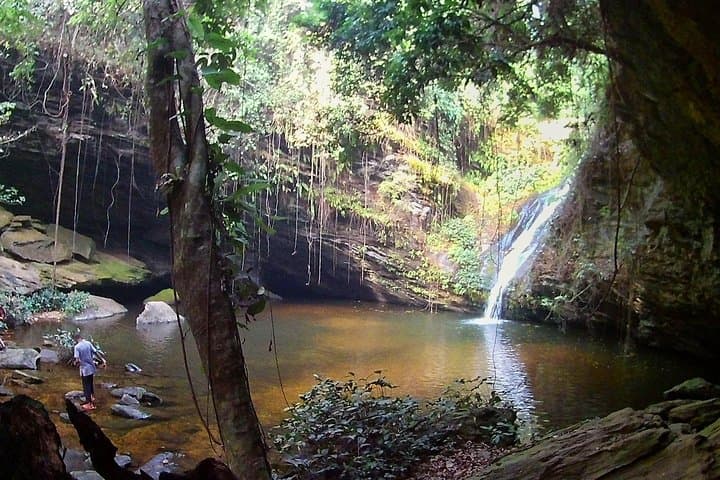
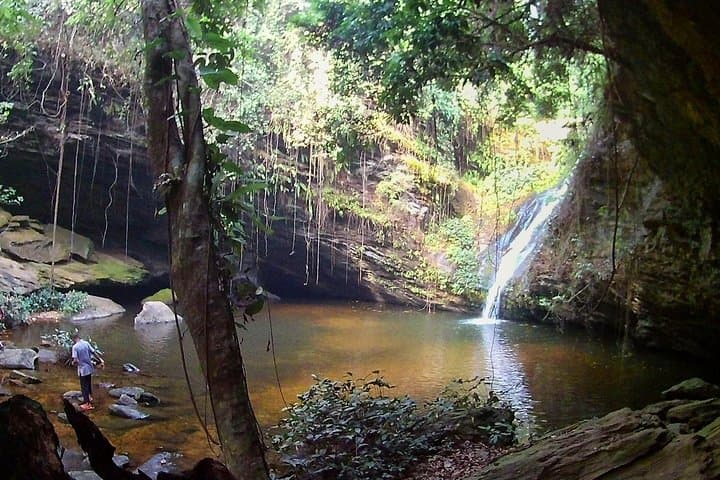
The hike to the summit is about 6 km of steady ascent on mixed dirt and stone trails, with sections of steep switchback and leafy understory that shelters small primates and forest birds. On the descent the route drops toward Wome Waterfall — a narrow, tucked-in cascade that offers a cool pool for a post-hike swim before the short, sharp climb back up.
Practicalities: expect a long day (10–12 hours) including transfers, wear grippy hiking shoes, carry 1–2 liters of water plus snacks, and bring swimwear and a light waterproof layer. Guides usually provide bottled water and arrange hotel or port pickup; cell signal can be intermittent on the slope, so plan logistics in advance.
challenging.
10–12 hours.
Good cardio and leg strength recommended; able to handle 6 km ascent and steep descents over uneven trail.
The uphill hike covers about 6 km to the summit, with mixed terrain and some steep sections—plan for a few hours ascent depending on pace.
Yes; the tour includes an English/French-speaking guide, private vehicle transport from Lomé and hotel or port pickup and drop-off.
Yes, Wome Waterfall has a small pool suitable for swimming; access requires descending a steep trail to the base and then re-climbing.
Moderately fit beginners can complete it with a steady pace and frequent rests, but the climb and steep descent make it more demanding than an easy walk.
Mount Agou sits within the historical Ewe cultural region; local villages like Dzigbe have long practiced smallholder cocoa and coffee farming on the slopes.
Stick to marked paths to limit erosion, avoid leaving waste at the waterfall, and consider hiring local guides to support community-based tourism.
Explore Africa For Impact operates guided outdoor trips and adventures with an emphasis on safety, stewardship, and memorable experiences.
By first light the coastal flatlands behind Lomé fall away and the road tightens toward the green shoulders of Mount Agou. The drive to Kpalimé takes roughly two hours; the mountain itself rises to 986 meters, a compact, forested high point that rewards effort with wide valley views and a cool ridge line.
By first light the coastal flatlands behind Lomé fall away and the road tightens toward the green shoulders of Mount Agou. The drive to Kpalimé takes roughly two hours; the mountain itself rises to 986 meters, a compact, forested high point that rewards effort with wide valley views and a cool ridge line.
Geology here is older than it looks — part of the Togo-Atakora uplands, the slopes are carved from ancient metamorphic rock and supported by deep soils that feed fast mountain streams. Culturally, this is Ewe country: stop at Dzigbe and you'll see homes built with local timber, cocoa and coffee plots clinging to the gradient, and villagers who still use traditional farming methods.
The hike to the summit is about 6 km of steady ascent on mixed dirt and stone trails, with sections of steep switchback and leafy understory that shelters small primates and forest birds. On the descent the route drops toward Wome Waterfall — a narrow, tucked-in cascade that offers a cool pool for a post-hike swim before the short, sharp climb back up.
Practicalities: expect a long day (10–12 hours) including transfers, wear grippy hiking shoes, carry 1–2 liters of water plus snacks, and bring swimwear and a light waterproof layer. Guides usually provide bottled water and arrange hotel or port pickup; cell signal can be intermittent on the slope, so plan logistics in advance.