THE ADVENTURE COLLECTIVE® · Independent discovery and booking for outdoor travel

A focused day through Delhi's defining museums — from the National Museum's ancient collections to the living crafts at the Handicrafts Museum. Practical routing, timing tips, and what to expect at each stop to make the most of a 6–7 hour cultural day.
A focused day through Delhi's defining museums — from the National Museum's ancient collections to the living crafts at the Handicrafts Museum. Practical routing, timing tips, and what to expect at each stop to make the most of a 6–7 hour cultural day.
You step out into a Delhi morning where traffic hums and stone façades hold centuries of stories; the city's heat arrives like a prod that quickens your pace toward the National Museum.
Verified experiences and guided adventures in the surrounding area.
Operated by Agora Voyages Pvt. Ltd. · New Delhi, Delhi
You step out into a Delhi morning where traffic hums and stone façades hold centuries of stories; the city's heat arrives like a prod that quickens your pace toward the National Museum.
The route takes you through institutions that map India's sweep—from Indus-era artifacts at the National Museum to Indira Gandhi's personal rooms and the quiet courtyard where Gandhi worked and walked. Delhi itself sits on the alluvial plains of the Yamuna, its layers of occupation visible in pottery shards and colonial brickwork; these museums collect those fragments and arrange them into clear lines through time.
Culturally, the stops reveal different threads: statecraft and personal history at Indira Gandhi's memorial; nonviolent politics and everyday material culture at Gandhi Smriti; and living craft traditions at the National Handicrafts and Handlooms Museum. Each gallery emphasizes context—materials, patronage, and technique—so expect labels that link objects to broader social change.
Practical guidance: this is a largely urban, low‑impact day best paced on foot with short taxi rides between sites. Plan for a 6–7 hour day with breaks for lunch and hydration; entrance options vary, so bring ID and a printed or mobile ticket. Mornings are cooler and less crowded at major galleries; afternoons are good for the Crafts Museum when natural light helps textiles and weaves read true.
Walk steadily, read selectively, and leave time to sit in a museum courtyard—the city keeps talking outside, but inside you can slow down and follow its threads.
easy.
6–7 hours.
Basic urban fitness—comfortable walking for several hours with short taxi rides between sites.
Entrance fees are included only if you select that option when booking; otherwise plan to pay at the sites or prebook individual tickets.
This itinerary notes no guide is required and the tour is flexible, though private guides can be hired if you prefer in‑depth commentary.
Private AC car pickup and drop‑off from/to your hotel are listed as included if you select that option—confirm timing at booking.
Yes—museums accommodate infants and small children and are stroller accessible, though some historic rooms may have restricted access.
The National Museum aggregates artifacts from the subcontinent’s long urban histories, while Indira Gandhi Memorial preserves personal artifacts linked to India’s late 20th‑century political shifts.
Museums in Delhi balance conservation with public access—avoid flash photography where restricted and support the Handicrafts Museum by buying responsibly sourced items from on‑site artisans.
Agora Voyages Pvt. Ltd. operates guided outdoor trips and adventures with an emphasis on safety, stewardship, and memorable experiences.
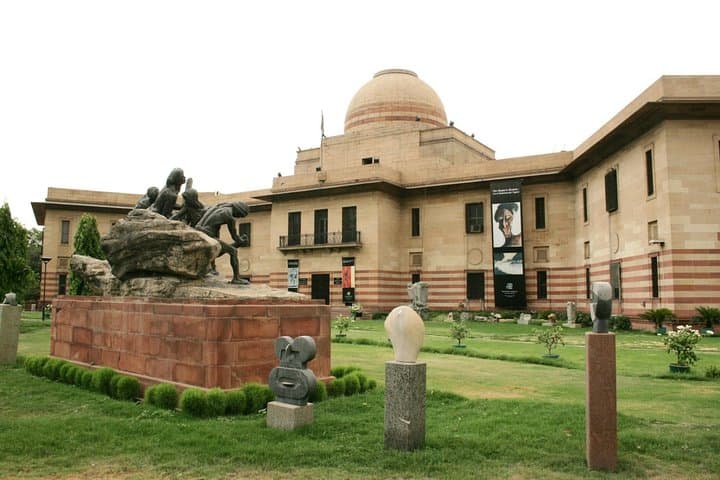
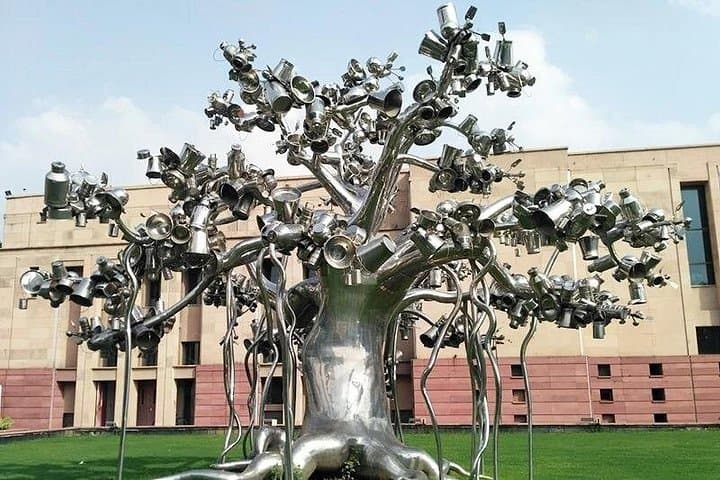
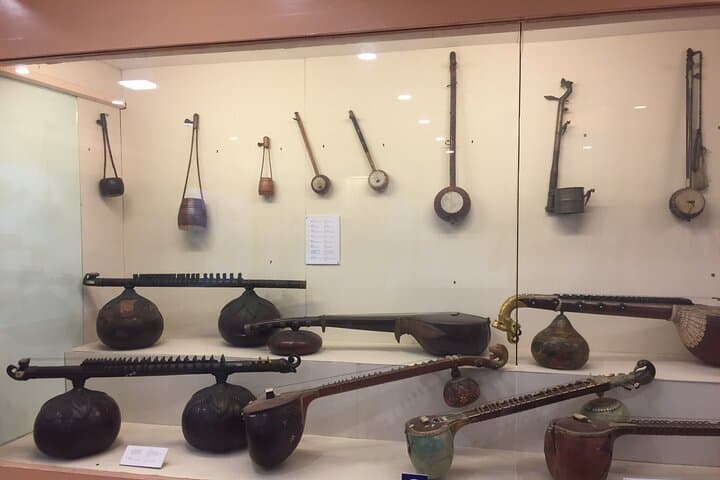
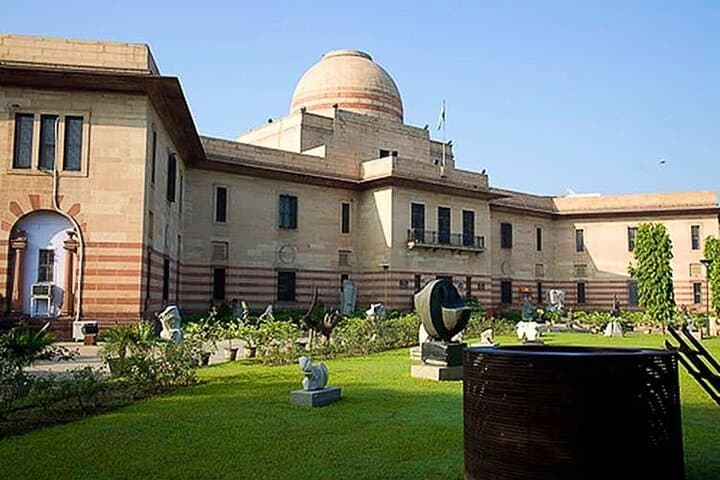
You step out into a Delhi morning where traffic hums and stone façades hold centuries of stories; the city's heat arrives like a prod that quickens your pace toward the National Museum.
You step out into a Delhi morning where traffic hums and stone façades hold centuries of stories; the city's heat arrives like a prod that quickens your pace toward the National Museum.
The route takes you through institutions that map India's sweep—from Indus-era artifacts at the National Museum to Indira Gandhi's personal rooms and the quiet courtyard where Gandhi worked and walked. Delhi itself sits on the alluvial plains of the Yamuna, its layers of occupation visible in pottery shards and colonial brickwork; these museums collect those fragments and arrange them into clear lines through time.
Culturally, the stops reveal different threads: statecraft and personal history at Indira Gandhi's memorial; nonviolent politics and everyday material culture at Gandhi Smriti; and living craft traditions at the National Handicrafts and Handlooms Museum. Each gallery emphasizes context—materials, patronage, and technique—so expect labels that link objects to broader social change.
Practical guidance: this is a largely urban, low‑impact day best paced on foot with short taxi rides between sites. Plan for a 6–7 hour day with breaks for lunch and hydration; entrance options vary, so bring ID and a printed or mobile ticket. Mornings are cooler and less crowded at major galleries; afternoons are good for the Crafts Museum when natural light helps textiles and weaves read true.
Walk steadily, read selectively, and leave time to sit in a museum courtyard—the city keeps talking outside, but inside you can slow down and follow its threads.