THE ADVENTURE COLLECTIVE® · Independent discovery and booking for outdoor travel

Walk Daxu’s bluestone streets, meet time-honored craftsmen, then head into Yaoshan’s tea terraces to pick fresh leaves and learn local tea traditions. This full-day private tour blends cultural history with hands-on agriculture and easy walking.
Walk Daxu’s bluestone streets, meet time-honored craftsmen, then head into Yaoshan’s tea terraces to pick fresh leaves and learn local tea traditions. This full-day private tour blends cultural history with hands-on agriculture and easy walking.
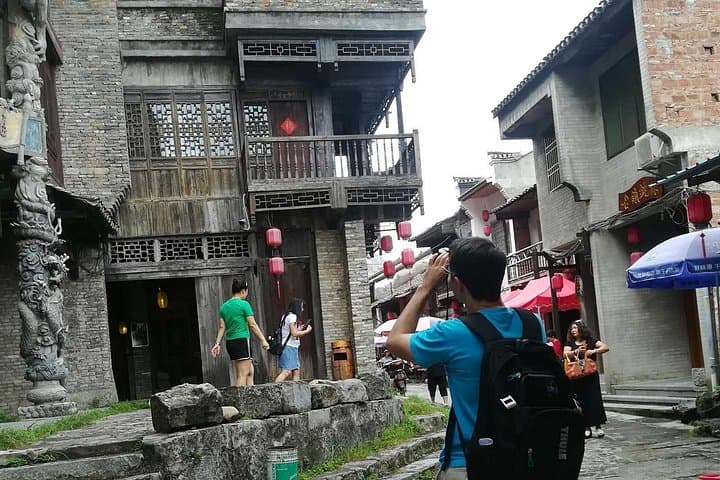
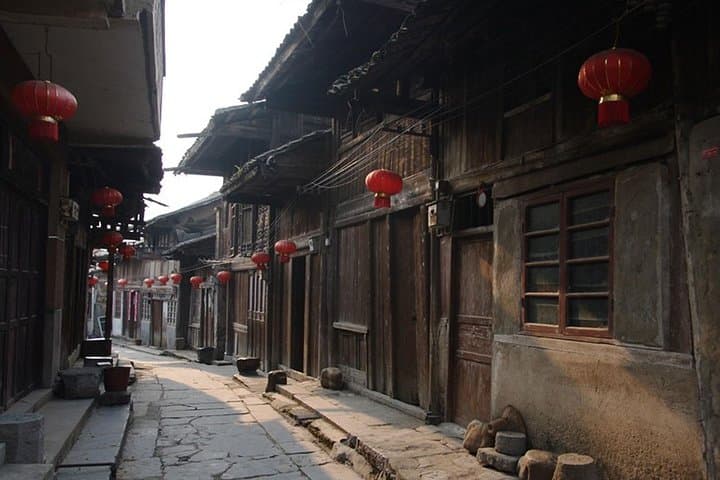
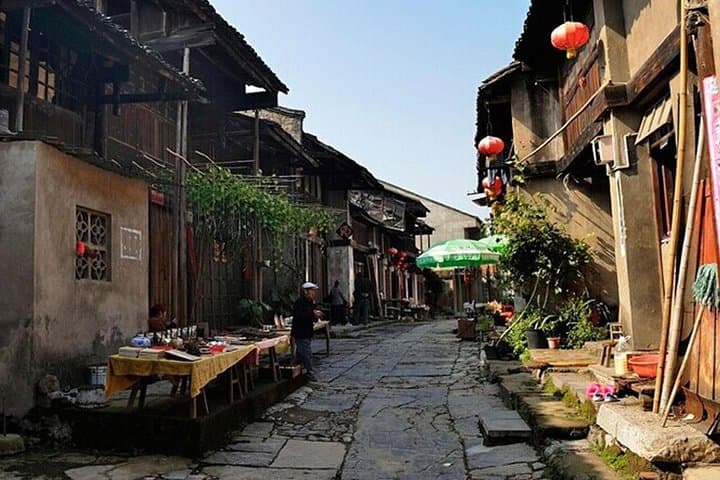
A river-side morning unfolds as the Li River nudges boats past bluestone streets and time-worn eaves; Daxu Old Town greets visitors with the soft click of sandals on flagstone and the scent of wet wood. The town’s low bridges and narrow alleys make for deliberate walking — every step reads like local history.
Verified experiences and guided adventures in the surrounding area.
Operated by Trazip · Guilin, Guangxi
A river-side morning unfolds as the Li River nudges boats past bluestone streets and time-worn eaves; Daxu Old Town greets visitors with the soft click of sandals on flagstone and the scent of wet wood. The town’s low bridges and narrow alleys make for deliberate walking — every step reads like local history.
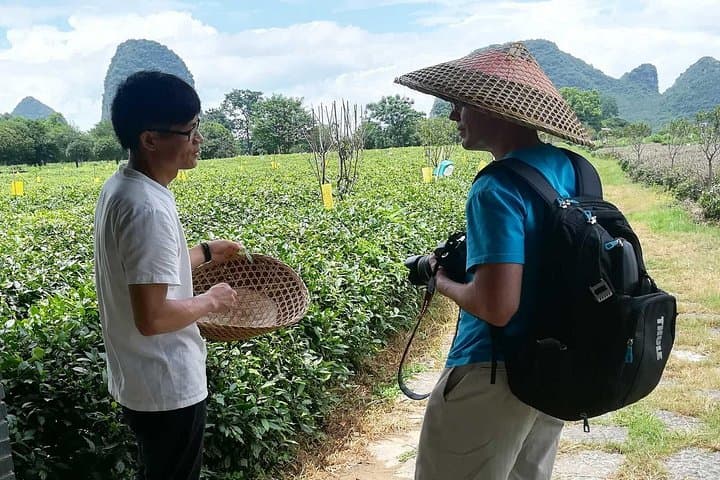
Daxu has been a river trading post for more than a millennium, its architecture carrying Ming and Qing details: carved door lintels, wooden shops, and reclaimed bamboo workshops that still make household wares. Geologically, the Guilin area is karst country — limestone ridges sculpted over eons — and Yaoshan rises from that same folded landscape. The tea terraces cut into gentle slopes, where breezes push through rows of young tea bushes and invite hands to pick the top two leaves.
Culturally, the route stitches artisan craft with agrarian rhythm: vendors drying tea, elders weaving sandals, guides explaining tea grades and tasting notes. Expect roughly 5–8 km of walking on cobbles and narrow plantation paths, with minimal elevation gain but some uneven surfaces that reward attentive footing.
Practical notes: travel by air-conditioned vehicle connects Guilin hotels with both sites; lunch and entrance fees are typically included. Bring sturdy shoes for cobbles, sun protection for exposed plantation rows, and a small daypack for water and purchases. Mornings are cooler and clearer for photos; afternoons can build clouds. Move respectfully through workshops and follow your guide’s lead during tea picking — it’s both a hands-on lesson and a conversation with the land.
easy.
7–8 hours.
Suitable for most fitness levels; you should be comfortable walking several kilometers on uneven cobbles and gentle slopes.
Yes—this private full-day tour typically includes entrance fees and a local lunch as part of the itinerary.
Yes; the tour is described as easy and suitable for all fitness levels, though cobbled streets and steps may require careful walking.
Yes; the Yaoshan stop includes a tea-leaf picking experience and basic explanations of tea grades and processing.
Yes—private transportation and hotel pickup/drop-off in Guilin are normally included in the tour package.
Daxu Old Town has functioned as a river trading hub for over 1,000 years; many buildings reflect Ming and Qing-era commercial architecture tied to Li River commerce.
Tea terraces and riverside streets are sensitive to foot traffic—stay on marked paths, avoid trampling young bushes, and carry out any waste to minimize impact.
Trazip operates guided outdoor trips and adventures with an emphasis on safety, stewardship, and memorable experiences.
A river-side morning unfolds as the Li River nudges boats past bluestone streets and time-worn eaves; Daxu Old Town greets visitors with the soft click of sandals on flagstone and the scent of wet wood. The town’s low bridges and narrow alleys make for deliberate walking — every step reads like local history.
A river-side morning unfolds as the Li River nudges boats past bluestone streets and time-worn eaves; Daxu Old Town greets visitors with the soft click of sandals on flagstone and the scent of wet wood. The town’s low bridges and narrow alleys make for deliberate walking — every step reads like local history.
Daxu has been a river trading post for more than a millennium, its architecture carrying Ming and Qing details: carved door lintels, wooden shops, and reclaimed bamboo workshops that still make household wares. Geologically, the Guilin area is karst country — limestone ridges sculpted over eons — and Yaoshan rises from that same folded landscape. The tea terraces cut into gentle slopes, where breezes push through rows of young tea bushes and invite hands to pick the top two leaves.
Culturally, the route stitches artisan craft with agrarian rhythm: vendors drying tea, elders weaving sandals, guides explaining tea grades and tasting notes. Expect roughly 5–8 km of walking on cobbles and narrow plantation paths, with minimal elevation gain but some uneven surfaces that reward attentive footing.
Practical notes: travel by air-conditioned vehicle connects Guilin hotels with both sites; lunch and entrance fees are typically included. Bring sturdy shoes for cobbles, sun protection for exposed plantation rows, and a small daypack for water and purchases. Mornings are cooler and clearer for photos; afternoons can build clouds. Move respectfully through workshops and follow your guide’s lead during tea picking — it’s both a hands-on lesson and a conversation with the land.