THE ADVENTURE COLLECTIVE® · Independent discovery and booking for outdoor travel

Photographing an ice cave at dawn with a local guide like Sindri is part technical workshop, part raw-nature encounter. This 3.5–4 hour tour from Jökulsárlón gives photographers controlled access to the blue interiors of Breiðamerkurjökull—if you come prepared.
Photographing an ice cave at dawn with a local guide like Sindri is part technical workshop, part raw-nature encounter. This 3.5–4 hour tour from Jökulsárlón gives photographers controlled access to the blue interiors of Breiðamerkurjökull—if you come prepared.
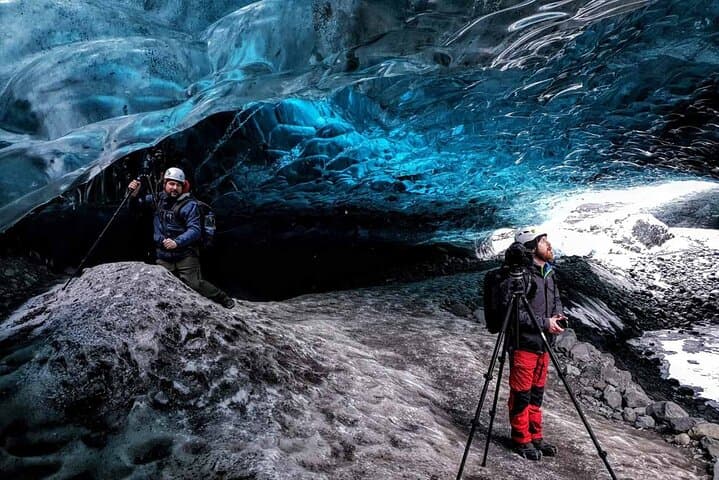
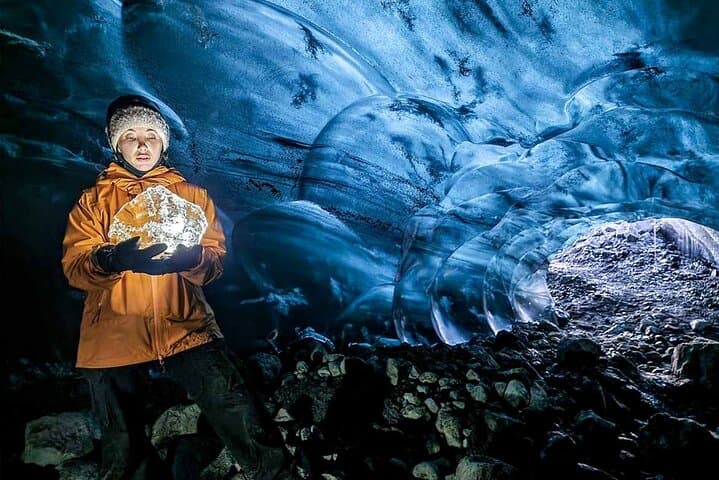
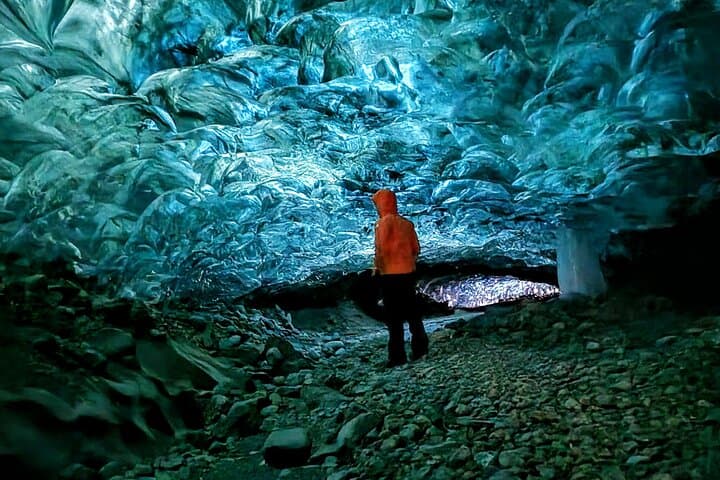
You step from the super jeep into a light that feels carved from glass. A thin silence hangs over the moraine; the lagoon at Jökulsárlón sends slow, tinkling waves of ice toward the black sand shore while Sindri checks your crampons and tripod. By torchlight the cut-blue walls of the cave ahead are barely visible—then, as the sun kisses the horizon, the cavity blooms electric blue and the camera clicks begin.
Verified experiences and guided adventures in the surrounding area.
Operated by Glacier Trips · Höfn, Southern Region
You step from the super jeep into a light that feels carved from glass. A thin silence hangs over the moraine; the lagoon at Jökulsárlón sends slow, tinkling waves of ice toward the black sand shore while Sindri checks your crampons and tripod. By torchlight the cut-blue walls of the cave ahead are barely visible—then, as the sun kisses the horizon, the cavity blooms electric blue and the camera clicks begin.
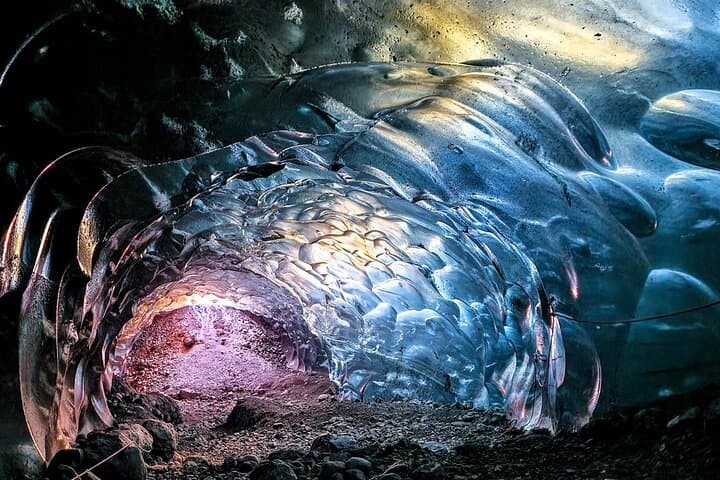
Breiðamerkurjökull is an outlet of Vatnajökull, Europe’s largest ice cap, and its caves are born of meltwater and pressure—a process that can reshape interiors between seasons. The lagoon itself is a recent landscape in geological terms: retreat of the glacier over the 20th century opened the lake and scattered icebergs across the shore. The patterns you’ll photograph—ribs of compacted air, suspended bubbles and crystalline arches—reflect centuries of compression, seasonal thaw and volcanic ash layers laid down from nearby eruptions.
This stretch of coastline has long been part of local livelihoods: farms inland, fishermen along the shore, and now guides who read the ice like a map. Vatnajökull National Park manages access and, for safety and conservation, guided visits like Sindri’s balance photography with protection of fragile, transient formations.
Practically, the tour runs October–April. Expect a 30-minute drive from Jökulsárlón parking to the glacier edge and a 20–25 minute walk over moraine and compacted snow. Sindri provides helmets, crampons and headlamps; you get 1.5–2 hours inside the cave and additional windows for exterior shots. Weather is the decisive variable—wind, tide, and meltwater change itineraries quickly; guides will prioritize safety and may cancel with full refund.
For photographers: bring a sturdy tripod, wide-angle lens and a remote release. Shoot RAW, bracket exposures and be prepared for contrasts—deep cobalt shadows and brilliant rim-light where sunlight penetrates the ice. Low ISO and longer exposures yield the cleanest tones; use your histogram to avoid blown highlights. Footing is uneven and often wet; gaiters and crampon-compatible boots matter.
Timing makes the difference. Early-morning light slants through cave arches and minimizes other visitors in your frame. Keep group size and time limits in mind—1.5 hours inside is generous but finite. Respect the guide’s route: ice caves are ephemeral and fragile; touching, hammering or leaving gear can accelerate collapse or damage delicate surfaces.
At day’s end, head back to the lagoon—icebergs reflect the waning light—and if you have time, drive to nearby Diamond Beach to capture the contrast of jewel-like bergs on volcanic sand. This tour is part technical exercise, part classroom: you’ll leave with images and with a clearer sense of how living glaciers make and unmake their own cathedrals.
easy.
3.5–4 hours.
Suitable for most fitness levels; requires 20–25 minutes of uneven walking and standing while shooting
The approach is typically a 20–25 minute walk over moraine and compact snow; guides keep the pace steady and provide crampons when needed.
Yes—helmets, crampons and headlamps are included in the tour price and fitted by the guide.
Absolutely—Sindri guides photographers of all levels and offers tips on composition and exposure while keeping safety a priority.
Tours are weather-dependent; if canceled due to conditions you’ll be offered an alternate date or full refund.
Yes, the tour is open to all, but space inside the cave is limited and priority is given to photographers for set-up time.
Shoot RAW, use low ISO, bracket exposures, and rely on long shutter speeds supported by a tripod; manual focus and live view help in low light.
Jökulsárlón formed as Breiðamerkurjökull retreated in the 20th century; the lagoon’s icebergs record the glacier’s recent, rapid changes.
Tours operate under Vatnajökull National Park guidelines—guided access reduces disturbance and helps preserve fragile ice formations.
Glacier Trips operates guided outdoor trips and adventures with an emphasis on safety, stewardship, and memorable experiences.
You step from the super jeep into a light that feels carved from glass. A thin silence hangs over the moraine; the lagoon at Jökulsárlón sends slow, tinkling waves of ice toward the black sand shore while Sindri checks your crampons and tripod. By torchlight the cut-blue walls of the cave ahead are barely visible—then, as the sun kisses the horizon, the cavity blooms electric blue and the camera clicks begin.
You step from the super jeep into a light that feels carved from glass. A thin silence hangs over the moraine; the lagoon at Jökulsárlón sends slow, tinkling waves of ice toward the black sand shore while Sindri checks your crampons and tripod. By torchlight the cut-blue walls of the cave ahead are barely visible—then, as the sun kisses the horizon, the cavity blooms electric blue and the camera clicks begin.
Breiðamerkurjökull is an outlet of Vatnajökull, Europe’s largest ice cap, and its caves are born of meltwater and pressure—a process that can reshape interiors between seasons. The lagoon itself is a recent landscape in geological terms: retreat of the glacier over the 20th century opened the lake and scattered icebergs across the shore. The patterns you’ll photograph—ribs of compacted air, suspended bubbles and crystalline arches—reflect centuries of compression, seasonal thaw and volcanic ash layers laid down from nearby eruptions.
This stretch of coastline has long been part of local livelihoods: farms inland, fishermen along the shore, and now guides who read the ice like a map. Vatnajökull National Park manages access and, for safety and conservation, guided visits like Sindri’s balance photography with protection of fragile, transient formations.
Practically, the tour runs October–April. Expect a 30-minute drive from Jökulsárlón parking to the glacier edge and a 20–25 minute walk over moraine and compacted snow. Sindri provides helmets, crampons and headlamps; you get 1.5–2 hours inside the cave and additional windows for exterior shots. Weather is the decisive variable—wind, tide, and meltwater change itineraries quickly; guides will prioritize safety and may cancel with full refund.
For photographers: bring a sturdy tripod, wide-angle lens and a remote release. Shoot RAW, bracket exposures and be prepared for contrasts—deep cobalt shadows and brilliant rim-light where sunlight penetrates the ice. Low ISO and longer exposures yield the cleanest tones; use your histogram to avoid blown highlights. Footing is uneven and often wet; gaiters and crampon-compatible boots matter.
Timing makes the difference. Early-morning light slants through cave arches and minimizes other visitors in your frame. Keep group size and time limits in mind—1.5 hours inside is generous but finite. Respect the guide’s route: ice caves are ephemeral and fragile; touching, hammering or leaving gear can accelerate collapse or damage delicate surfaces.
At day’s end, head back to the lagoon—icebergs reflect the waning light—and if you have time, drive to nearby Diamond Beach to capture the contrast of jewel-like bergs on volcanic sand. This tour is part technical exercise, part classroom: you’ll leave with images and with a clearer sense of how living glaciers make and unmake their own cathedrals.