THE ADVENTURE COLLECTIVE® · Independent discovery and booking for outdoor travel

Soar above Luxor at dawn for unobstructed views of Karnak, the Nile, and the Valley of the Kings. This early-morning balloon flight pairs calm skies with dramatic light—ideal for photographers and history lovers alike.
Soar above Luxor at dawn for unobstructed views of Karnak, the Nile, and the Valley of the Kings. This early-morning balloon flight pairs calm skies with dramatic light—ideal for photographers and history lovers alike.
You lift from sand and Nile fog as the sun pries orange light over the West Bank. The balloon’s hush lets the city breathe beneath you—temple roofs, column shadows and the ribbon of the Nile unspooling north. From 1,000 feet the landscape rearranges: archaeological scars look like brush strokes, palm groves cluster like islands, and the Theban hills hold their silent line.
Verified experiences and guided adventures in the surrounding area.
Operated by Etro tours · Luxor, Luxor Governorate
You lift from sand and Nile fog as the sun pries orange light over the West Bank. The balloon’s hush lets the city breathe beneath you—temple roofs, column shadows and the ribbon of the Nile unspooling north. From 1,000 feet the landscape rearranges: archaeological scars look like brush strokes, palm groves cluster like islands, and the Theban hills hold their silent line.
Luxor sits on the ruins of ancient Thebes, the New Kingdom’s ceremonial heart. From the air you can pick out the temples of Karnak and Luxor, the Valley of the Kings tucked against the cliffs, and fields that have fed the Nile’s civilizations for millennia. Geology is obvious: the limestone escarpment of the West Bank rises sharply from the floodplain, a contrast made vivid at sunrise.
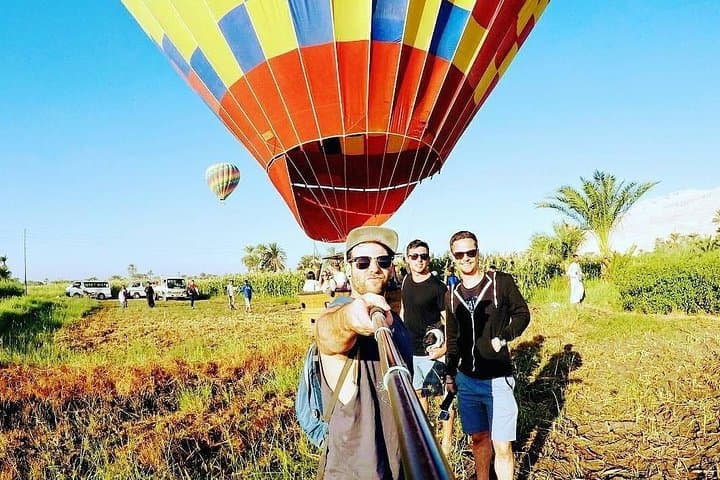
Practically, expect a pre-dawn pickup from your hotel or Nile cruise; flights run about 60–120 minutes including inflation and landing. Operators in Luxor emphasize safety—long track records and experienced pilots—and flights will be canceled for unstable weather. Not recommended for pregnant travelers or those with serious heart or spinal conditions. Dress in layers: dawn is cool but the ground will warm quickly. Bring a camera with a strap and arrive rested; standing and short ladder climbs are part of boarding.
This is a quiet, cinematic way to read Luxor’s history from a new angle—an aerial portrait that’s both immediate and surprisingly intimate.
easy.
1–2 hours.
Suitable for most people able to stand for short periods and climb a low boarding ladder; minimal exertion required.
The activity window is typically 60–120 minutes including inflation, flight, and landing; airborne time is often around 45–60 minutes.
Experienced local operators maintain strong safety records; flights can be canceled for high winds or poor visibility and refunds or reschedules are usually offered.
Yes—most operators include hotel or Nile cruise pick-up and return; confirm your pickup point at booking.
Children can usually fly but age or height limits may apply; check the operator's policy when booking and ensure child safety restraints if provided.
Luxor rests on ancient Thebes—the administrative and religious capital of Egypt’s New Kingdom—so many of the landmarks visible from the air are millennia-old ceremonial centers.
Stay on marked paths after landing, avoid littering, and support operators who follow permit rules and contribute to local conservation and community employment.
Etro tours operates guided outdoor trips and adventures with an emphasis on safety, stewardship, and memorable experiences.
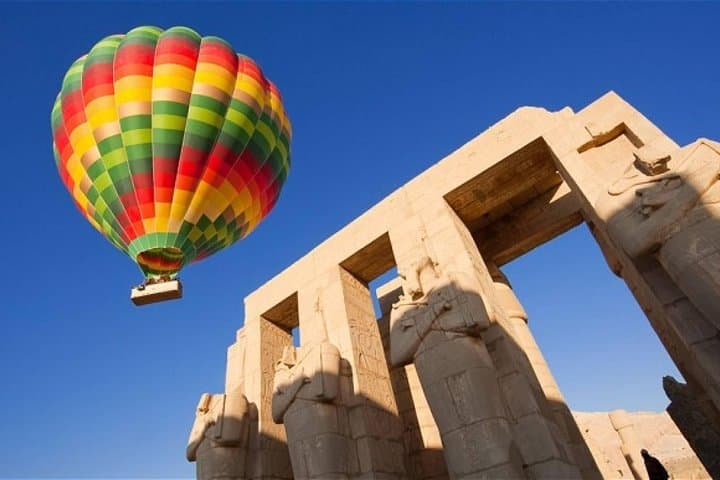
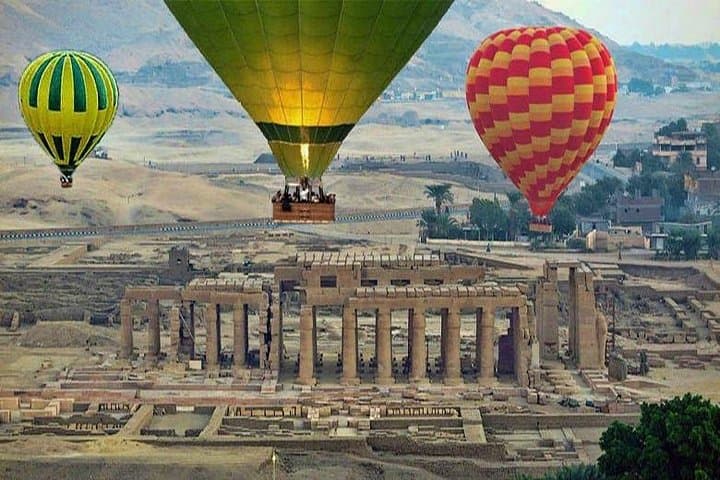
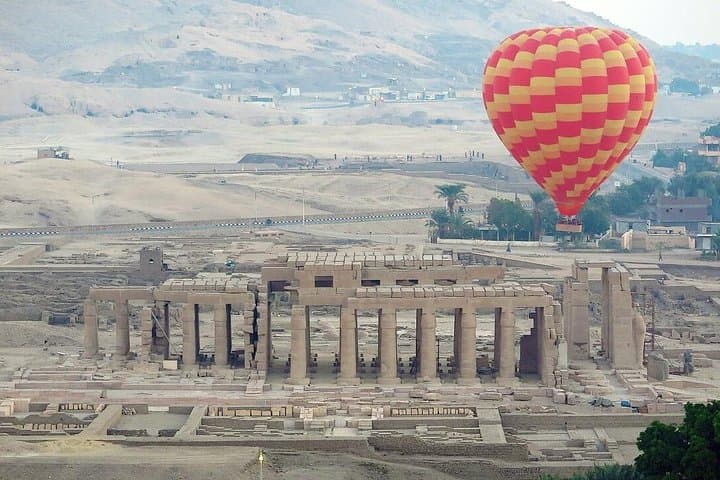
You lift from sand and Nile fog as the sun pries orange light over the West Bank. The balloon’s hush lets the city breathe beneath you—temple roofs, column shadows and the ribbon of the Nile unspooling north. From 1,000 feet the landscape rearranges: archaeological scars look like brush strokes, palm groves cluster like islands, and the Theban hills hold their silent line.
You lift from sand and Nile fog as the sun pries orange light over the West Bank. The balloon’s hush lets the city breathe beneath you—temple roofs, column shadows and the ribbon of the Nile unspooling north. From 1,000 feet the landscape rearranges: archaeological scars look like brush strokes, palm groves cluster like islands, and the Theban hills hold their silent line.
Luxor sits on the ruins of ancient Thebes, the New Kingdom’s ceremonial heart. From the air you can pick out the temples of Karnak and Luxor, the Valley of the Kings tucked against the cliffs, and fields that have fed the Nile’s civilizations for millennia. Geology is obvious: the limestone escarpment of the West Bank rises sharply from the floodplain, a contrast made vivid at sunrise.
Practically, expect a pre-dawn pickup from your hotel or Nile cruise; flights run about 60–120 minutes including inflation and landing. Operators in Luxor emphasize safety—long track records and experienced pilots—and flights will be canceled for unstable weather. Not recommended for pregnant travelers or those with serious heart or spinal conditions. Dress in layers: dawn is cool but the ground will warm quickly. Bring a camera with a strap and arrive rested; standing and short ladder climbs are part of boarding.
This is a quiet, cinematic way to read Luxor’s history from a new angle—an aerial portrait that’s both immediate and surprisingly intimate.