THE ADVENTURE COLLECTIVE® · Independent discovery and booking for outdoor travel

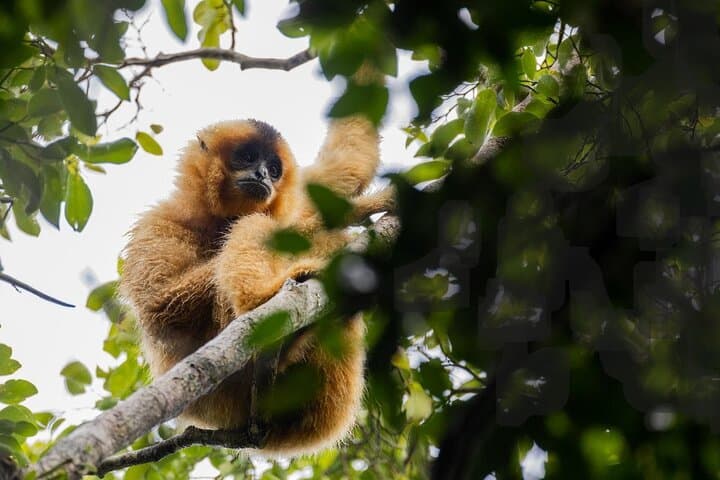
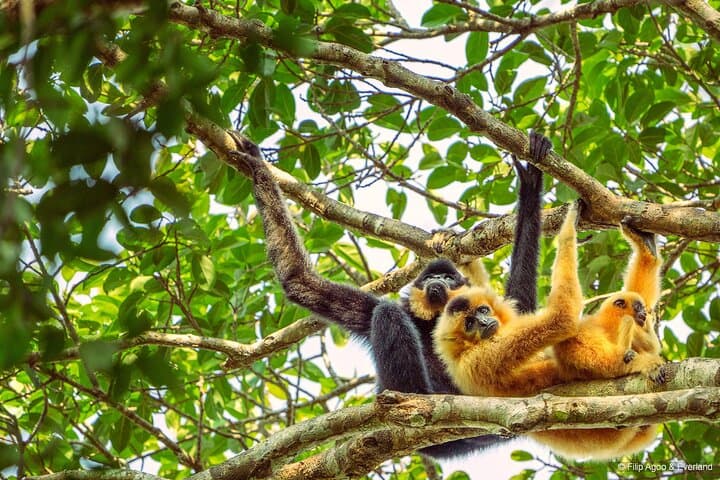
Track endangered yellow-cheeked gibbons at dawn with Bunong guides and researchers in Keo Seima Wildlife Sanctuary. This full-day trek combines early-morning canopy calls, jungle foraging, waterfalls, and hands-on conservation insights.
Track endangered yellow-cheeked gibbons at dawn with Bunong guides and researchers in Keo Seima Wildlife Sanctuary. This full-day trek combines early-morning canopy calls, jungle foraging, waterfalls, and hands-on conservation insights.
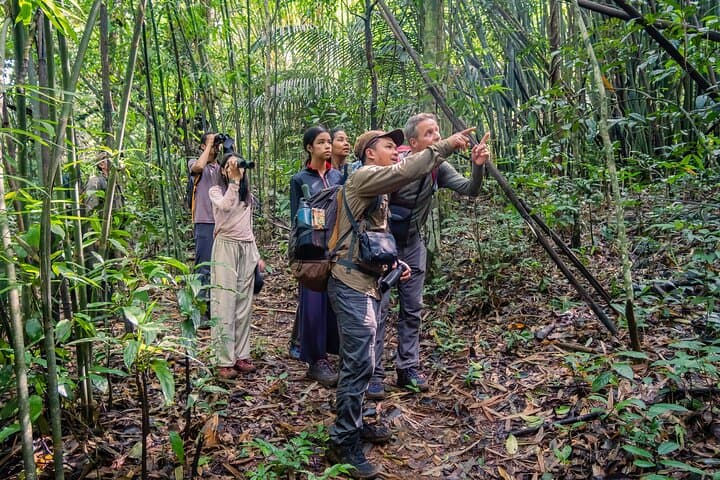
Before sunrise the forest keeps its own clock: long calls thread the canopy and dew beads on lianas. You meet your Bunong guide and researchers at the edge of Keo Seima Wildlife Sanctuary near Sen Monorom, then step into semi-evergreen rainforest where the morning chorus—gibbons, hornbills, and peafowl—sets the pace.
Verified experiences and guided adventures in the surrounding area.
Operated by Jahoo · Sen Monorom, Mondulkiri Province
Before sunrise the forest keeps its own clock: long calls thread the canopy and dew beads on lianas. You meet your Bunong guide and researchers at the edge of Keo Seima Wildlife Sanctuary near Sen Monorom, then step into semi-evergreen rainforest where the morning chorus—gibbons, hornbills, and peafowl—sets the pace.
Keo Seima protects lowland and hilly forest across Mondulkiri and stretches into neighboring provinces. The landscape here is shaped by ancient sandstone outcrops, seasonal streams, and broad ridgelines that funnel wildlife along predictable routes. The Bunong people have lived and foraged in these forests for generations; many guides combine ancestral knowledge with modern monitoring techniques to track family groups of southern yellow-cheeked gibbons and document other species like black-shanked douc langurs and peacock-pheasants.
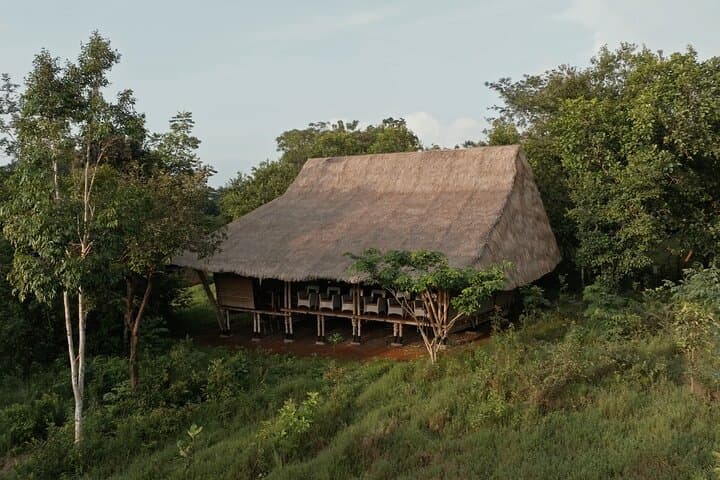
Expect a full-day field experience: early-morning tracking when gibbons vocalize, a simple breakfast in the trees, mid-day jungle trek to waterfalls, and an afternoon of wildlife spotting before a pause at Bamboo Camp. Trails are undulating with some muddy sections in wet months; distances covered during the day are typically several kilometers over mixed terrain with occasional steep sections.
Practical guidance: start before dawn, carry layered, quick-dry clothing, bring insect protection and at least 2 liters of water, and move quietly—sightings depend on patience. Photography requires a telephoto lens and fast shutter speeds for canopy subjects. The outing blends immersive wildlife viewing with on-the-ground conservation, offering both close observation and context about protection efforts in Cambodia.
moderate.
10–13 hours.
Suitable for travelers with moderate fitness—comfortable walking several kilometers over uneven, sometimes steep terrain.
The full-day experience runs about 10–13 hours with several kilometers of walking over undulating forest trails; it's moderate, with some short steep sections and muddy patches in wet weather.
Sightings are common at dawn when gibbons vocalize, but wildlife is never guaranteed; guides use vocal cues and years of experience to maximize viewing chances.
Local Bunong guides typically speak Bunong and Khmer; many tours include English-speaking researchers or interpreters to explain conservation work.
Yes—simple breakfast and lunch, tea/coffee, and filtered drinking water are included; bring extra snacks if you have specific dietary needs.
The Bunong people have inhabited eastern Cambodia for centuries; their traditional land use and recent collaboration with researchers are central to local conservation efforts.
Keo Seima Wildlife Sanctuary is a key protected area for lowland forest species; visiting with licensed guides supports community monitoring and anti-poaching programs.
Jahoo operates guided outdoor trips and adventures with an emphasis on safety, stewardship, and memorable experiences.
Before sunrise the forest keeps its own clock: long calls thread the canopy and dew beads on lianas. You meet your Bunong guide and researchers at the edge of Keo Seima Wildlife Sanctuary near Sen Monorom, then step into semi-evergreen rainforest where the morning chorus—gibbons, hornbills, and peafowl—sets the pace.
Before sunrise the forest keeps its own clock: long calls thread the canopy and dew beads on lianas. You meet your Bunong guide and researchers at the edge of Keo Seima Wildlife Sanctuary near Sen Monorom, then step into semi-evergreen rainforest where the morning chorus—gibbons, hornbills, and peafowl—sets the pace.
Keo Seima protects lowland and hilly forest across Mondulkiri and stretches into neighboring provinces. The landscape here is shaped by ancient sandstone outcrops, seasonal streams, and broad ridgelines that funnel wildlife along predictable routes. The Bunong people have lived and foraged in these forests for generations; many guides combine ancestral knowledge with modern monitoring techniques to track family groups of southern yellow-cheeked gibbons and document other species like black-shanked douc langurs and peacock-pheasants.
Expect a full-day field experience: early-morning tracking when gibbons vocalize, a simple breakfast in the trees, mid-day jungle trek to waterfalls, and an afternoon of wildlife spotting before a pause at Bamboo Camp. Trails are undulating with some muddy sections in wet months; distances covered during the day are typically several kilometers over mixed terrain with occasional steep sections.
Practical guidance: start before dawn, carry layered, quick-dry clothing, bring insect protection and at least 2 liters of water, and move quietly—sightings depend on patience. Photography requires a telephoto lens and fast shutter speeds for canopy subjects. The outing blends immersive wildlife viewing with on-the-ground conservation, offering both close observation and context about protection efforts in Cambodia.