THE ADVENTURE COLLECTIVE® · Independent discovery and booking for outdoor travel

Leave before dawn for a long, rewarding day that pairs the turquoise cascades of Agua Azul and the towering drop of Misol-Há with a guided tour of Palenque’s Mayan ruins. Expect long drives, humid lowlands, slippery limestone, and a deep dive into regional geology and history.
Leave before dawn for a long, rewarding day that pairs the turquoise cascades of Agua Azul and the towering drop of Misol-Há with a guided tour of Palenque’s Mayan ruins. Expect long drives, humid lowlands, slippery limestone, and a deep dive into regional geology and history.
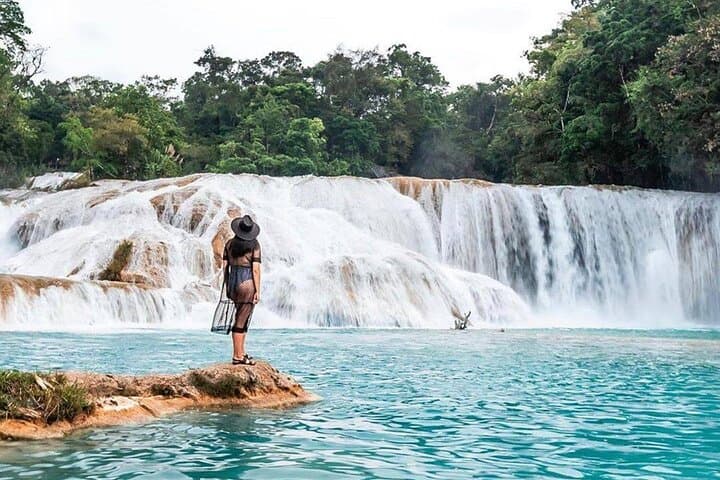
At 4:00 a.m. the van eases away from San Cristóbal’s quiet streets, headlights piercing a highland fog. The first hours are for motion: towns slip past, and the air begins to warm as you drop from the pine-scented highlands into Chiapas’s lowland jungle. By midmorning the turquoise of Agua Azul appears through a curtain of foliage—water carving terraces of limestone and daring you to step closer to its 20-meter cascades.
Verified experiences and guided adventures in the surrounding area.
Operated by Chiapas Desconocido · Palenque, Chiapas
At 4:00 a.m. the van eases away from San Cristóbal’s quiet streets, headlights piercing a highland fog. The first hours are for motion: towns slip past, and the air begins to warm as you drop from the pine-scented highlands into Chiapas’s lowland jungle. By midmorning the turquoise of Agua Azul appears through a curtain of foliage—water carving terraces of limestone and daring you to step closer to its 20-meter cascades.
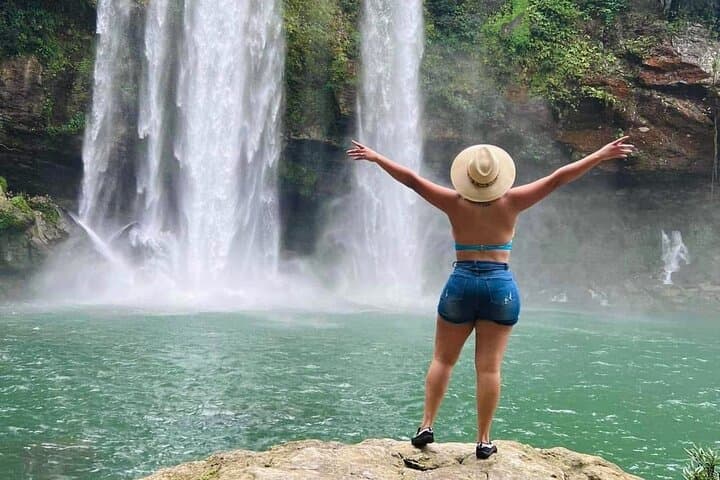
Agua Azul’s pools have a blunt clarity: suspended minerals catch light and throw it back in electric blues. The sound of the river is insistent, pushing forward over rock, while trails along the banks can be slippery and uneven. A short drive downstream brings you to Misol-Há, where a single 50-meter curtain of water falls into a shadowed pool; you can walk behind part of the drop and feel spray like a cool, constant applause.
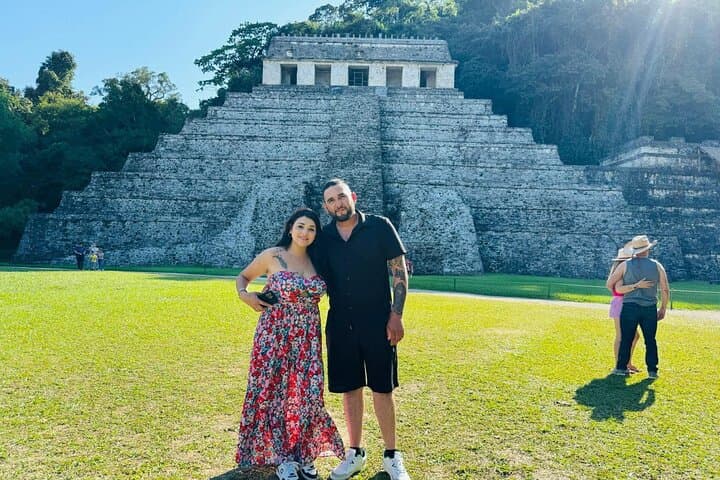
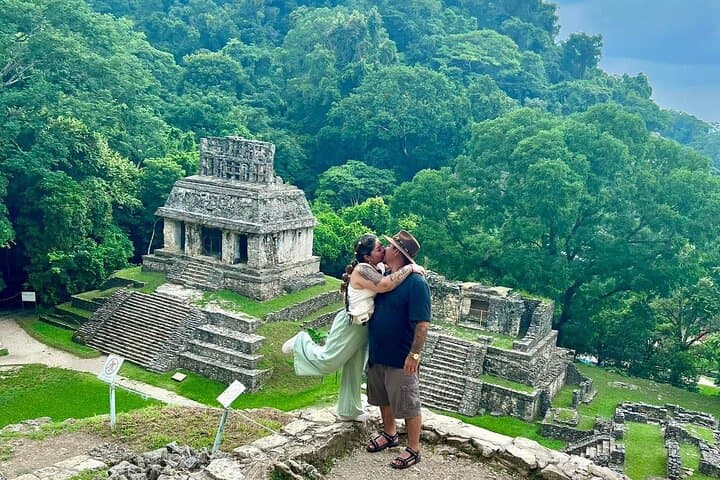
The afternoon shifts from hydro-power to human history. Palenque’s archaeological zone sits lower in the jungle and presents a different rhythm—stone stairways, carved lintels, and plazas reclaimed by vines. The Maya at Palenque built in compact, vertical clusters; visiting on a 2.5-hour guided loop makes the architecture speak. You move from geology—limestone shelves, calcified terraces—to culture: inscriptions that record rulership, trade, and ritual in this corner of Mesoamerica.
Geology and climate shape the day. The route crosses elevation from roughly 2,000 meters in San Cristóbal to near sea level around Palenque, so expect heat and humidity in the lowlands. Roads are long—this is a full-day trip with significant driving—but the itinerary balances moving time with two waterfall stops and a substantial ruins tour. Transport is by air-conditioned vehicle; lunches and some entry logistics are handled, but local vendors and short hikes require comfortable footwear and small bills.
Practical guidance: wear grippy shoes for wet limestone, bring insect repellent, and carry a swim layer if you want to feel the water. Plan for sun and humidity—light, quick-dry clothing is better than heavy cotton. If you’re tracking wildlife, look and listen in dappled edges where birds and small mammals move between water and forest.
This is a day for motion and contrast: rivers that sculpt and cool, stone that records an ancient civic life, and the slow human economy of roadside eateries and craft stalls. For travelers willing to spend the day on the road, it delivers two very different faces of Chiapas in a single, memorable loop.
moderate.
13 hours.
Moderate fitness: you should be comfortable walking uneven terrain for short periods and tolerating long vehicle transfers
The tour is approximately 13 hours with a 4:00 a.m. departure from San Cristóbal and returns around 10:30 p.m.
Yes—entries to the sites are included in the tour package.
Short swims at designated pool areas are possible at Agua Azul and Misol-Há, but conditions vary; follow guide instructions and avoid currents.
Pickup is provided from hotels in San Cristóbal; specific pickup points are coordinated when booking and can take extra time to collect other travelers.
Moderate physical fitness is required; it's not recommended for those with serious back or heart problems, and uneven terrain can be challenging for small children or limited mobility.
Breakfast stop is on the route (not included) and there is time for lunch—expect local restaurants and market options; bring cash for meals and snacks.
Palenque was a major Classic Maya center (6th–9th centuries) whose inscriptions and architecture reveal complex dynastic history and regional trade links.
Heavy visitation strains fragile limestone pools and jungle trails—stick to marked paths, avoid sunscreen directly in pools, and support local guides who practice low-impact tourism.
Chiapas Desconocido operates guided outdoor trips and adventures with an emphasis on safety, stewardship, and memorable experiences.
At 4:00 a.m. the van eases away from San Cristóbal’s quiet streets, headlights piercing a highland fog. The first hours are for motion: towns slip past, and the air begins to warm as you drop from the pine-scented highlands into Chiapas’s lowland jungle. By midmorning the turquoise of Agua Azul appears through a curtain of foliage—water carving terraces of limestone and daring you to step closer to its 20-meter cascades.
At 4:00 a.m. the van eases away from San Cristóbal’s quiet streets, headlights piercing a highland fog. The first hours are for motion: towns slip past, and the air begins to warm as you drop from the pine-scented highlands into Chiapas’s lowland jungle. By midmorning the turquoise of Agua Azul appears through a curtain of foliage—water carving terraces of limestone and daring you to step closer to its 20-meter cascades.
Agua Azul’s pools have a blunt clarity: suspended minerals catch light and throw it back in electric blues. The sound of the river is insistent, pushing forward over rock, while trails along the banks can be slippery and uneven. A short drive downstream brings you to Misol-Há, where a single 50-meter curtain of water falls into a shadowed pool; you can walk behind part of the drop and feel spray like a cool, constant applause.
The afternoon shifts from hydro-power to human history. Palenque’s archaeological zone sits lower in the jungle and presents a different rhythm—stone stairways, carved lintels, and plazas reclaimed by vines. The Maya at Palenque built in compact, vertical clusters; visiting on a 2.5-hour guided loop makes the architecture speak. You move from geology—limestone shelves, calcified terraces—to culture: inscriptions that record rulership, trade, and ritual in this corner of Mesoamerica.
Geology and climate shape the day. The route crosses elevation from roughly 2,000 meters in San Cristóbal to near sea level around Palenque, so expect heat and humidity in the lowlands. Roads are long—this is a full-day trip with significant driving—but the itinerary balances moving time with two waterfall stops and a substantial ruins tour. Transport is by air-conditioned vehicle; lunches and some entry logistics are handled, but local vendors and short hikes require comfortable footwear and small bills.
Practical guidance: wear grippy shoes for wet limestone, bring insect repellent, and carry a swim layer if you want to feel the water. Plan for sun and humidity—light, quick-dry clothing is better than heavy cotton. If you’re tracking wildlife, look and listen in dappled edges where birds and small mammals move between water and forest.
This is a day for motion and contrast: rivers that sculpt and cool, stone that records an ancient civic life, and the slow human economy of roadside eateries and craft stalls. For travelers willing to spend the day on the road, it delivers two very different faces of Chiapas in a single, memorable loop.