THE ADVENTURE COLLECTIVE® · Independent discovery and booking for outdoor travel

Start before sunrise on Lake Kivu and follow guides across lakeshore paths and low hills to catch resident and migrant birds at their most active. This compact, three-hour morning tour combines close-range birding, local cultural context and lake views.
Start before sunrise on Lake Kivu and follow guides across lakeshore paths and low hills to catch resident and migrant birds at their most active. This compact, three-hour morning tour combines close-range birding, local cultural context and lake views.
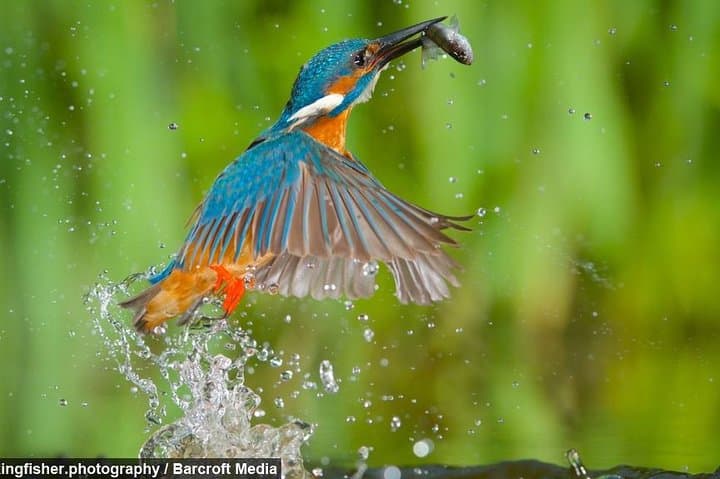
The lake is still when you arrive: a low mist lifts from glassy water and birds call from reed beds and the first ridge. Dawn bird watching on Lake Kivu threads you along narrow paths that push up onto small hills, then back down to the shoreline where fishermen untangle nets and kingfishers plunge. Light changes fast here—gold on the water, bright on the slopes—and the day’s avian list reveals itself in bursts.
Verified experiences and guided adventures in the surrounding area.
Operated by Rwanda travel Experts · Kibuye (Karongi), Western Province
The lake is still when you arrive: a low mist lifts from glassy water and birds call from reed beds and the first ridge. Dawn bird watching on Lake Kivu threads you along narrow paths that push up onto small hills, then back down to the shoreline where fishermen untangle nets and kingfishers plunge. Light changes fast here—gold on the water, bright on the slopes—and the day’s avian list reveals itself in bursts.
Lake Kivu sits inside the western arm of the East African Rift; its deep basin and volcanic hills create a patchwork of papyrus, farmland and riparian forest that supports resident and migrant species. Around Kibuye (Karongi) local communities have fished, farmed and traded coffee and bananas for generations—guides often point out traditional landing places and family-run coffee plots above the shore.
Expect undulating terrain and intimate birding: 3–5 km of walking, intermittent steep sections and roughly 100–250 m cumulative elevation gain depending on route. Trails are dirt and sometimes stepped; binoculars are provided but bring your own optics and a headlamp for pre-dawn approaches. Plan for early starts (the tour runs about three hours) to catch active feeding and song displays.
Practical tips: dress in quiet, breathable layers, carry water and insect repellent, and allow time for photography and short stops. Guides will interpret local species, point out habitat clues and navigate farm tracks. For anyone wanting a compact, accessible wildlife morning that combines lakeshore scenery with guided natural history, this tour delivers a concentrated, practical window into Lake Kivu’s bird life.
moderate.
3 hours.
Moderate fitness—able to walk uneven trails with short steep sections and maintain a steady pace for several kilometers.
The guided dawn birdwatching lasts about three hours and departs before sunrise to catch peak bird activity.
Yes—routes are short but include uneven terrain and some climbs; moderate mobility is recommended and infants can use a stroller only on flat sections.
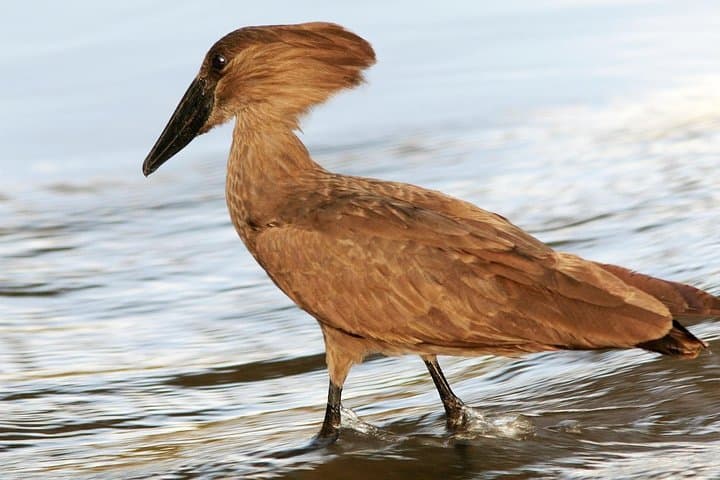
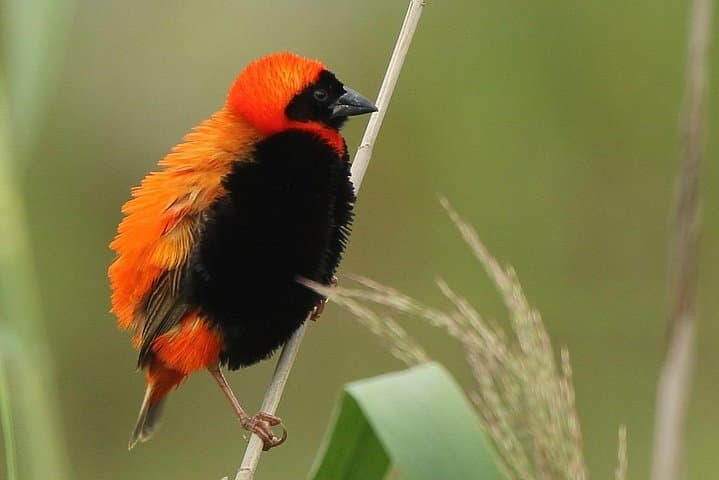
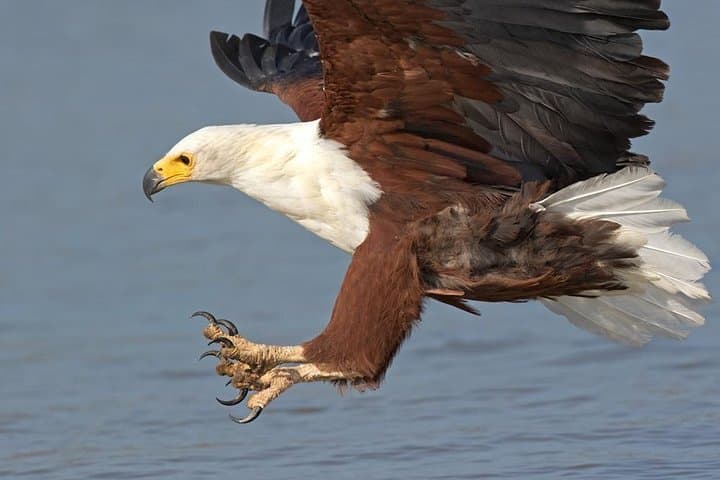
Expect waterbirds and shore species plus woodland birds—common sightings include African fish eagle, kingfishers, herons and various warblers and flycatchers depending on season and habitat.
Guides provide local interpretation and binoculars are listed as included, and a raincoat is available; bringing personal optics and a small camera is recommended.
Lake Kivu’s shores have supported fishing and smallholder agriculture for generations; the area’s communities and trading routes expanded during the colonial period when coffee and tea production grew.
Shoreline habitat faces pressure from erosion and expanding cultivation; responsible tours stick to established paths, avoid disturbing reed beds and support local guides who promote sustainable use.
Rwanda travel Experts operates guided outdoor trips and adventures with an emphasis on safety, stewardship, and memorable experiences.
The lake is still when you arrive: a low mist lifts from glassy water and birds call from reed beds and the first ridge. Dawn bird watching on Lake Kivu threads you along narrow paths that push up onto small hills, then back down to the shoreline where fishermen untangle nets and kingfishers plunge. Light changes fast here—gold on the water, bright on the slopes—and the day’s avian list reveals itself in bursts.
The lake is still when you arrive: a low mist lifts from glassy water and birds call from reed beds and the first ridge. Dawn bird watching on Lake Kivu threads you along narrow paths that push up onto small hills, then back down to the shoreline where fishermen untangle nets and kingfishers plunge. Light changes fast here—gold on the water, bright on the slopes—and the day’s avian list reveals itself in bursts.
Lake Kivu sits inside the western arm of the East African Rift; its deep basin and volcanic hills create a patchwork of papyrus, farmland and riparian forest that supports resident and migrant species. Around Kibuye (Karongi) local communities have fished, farmed and traded coffee and bananas for generations—guides often point out traditional landing places and family-run coffee plots above the shore.
Expect undulating terrain and intimate birding: 3–5 km of walking, intermittent steep sections and roughly 100–250 m cumulative elevation gain depending on route. Trails are dirt and sometimes stepped; binoculars are provided but bring your own optics and a headlamp for pre-dawn approaches. Plan for early starts (the tour runs about three hours) to catch active feeding and song displays.
Practical tips: dress in quiet, breathable layers, carry water and insect repellent, and allow time for photography and short stops. Guides will interpret local species, point out habitat clues and navigate farm tracks. For anyone wanting a compact, accessible wildlife morning that combines lakeshore scenery with guided natural history, this tour delivers a concentrated, practical window into Lake Kivu’s bird life.