THE ADVENTURE COLLECTIVE® · Independent discovery and booking for outdoor travel

Float over Teotihuacan at dawn for a silent, panoramic view of pyramids, volcanic plains and agave fields. This guided hot-air balloon includes a cave breakfast and cultural stops—perfect for photographers and history-minded travelers.
Float over Teotihuacan at dawn for a silent, panoramic view of pyramids, volcanic plains and agave fields. This guided hot-air balloon includes a cave breakfast and cultural stops—perfect for photographers and history-minded travelers.
Before sunrise the valley exhales cool air and the balloon envelopes begin to fill—canvas rising, colors bright against a pale sky.
Verified experiences and guided adventures in the surrounding area.
Operated by Vuelo en globo Teotihuacan · San Juan Teotihuacán, State of Mexico
Before sunrise the valley exhales cool air and the balloon envelopes begin to fill—canvas rising, colors bright against a pale sky.
You lift off quietly, the burners punctuating the hush, and Teotihuacan’s pyramids reveal themselves as geometric islands on a flat plain: Pyramid of the Sun large and patient, Avenue of the Dead stretching away like an ancient procession. The flight is cinematic but controlled—pilots follow regulated routes over agricultural terraces and volcanic stone outcrops while ground crews shadow your drift.
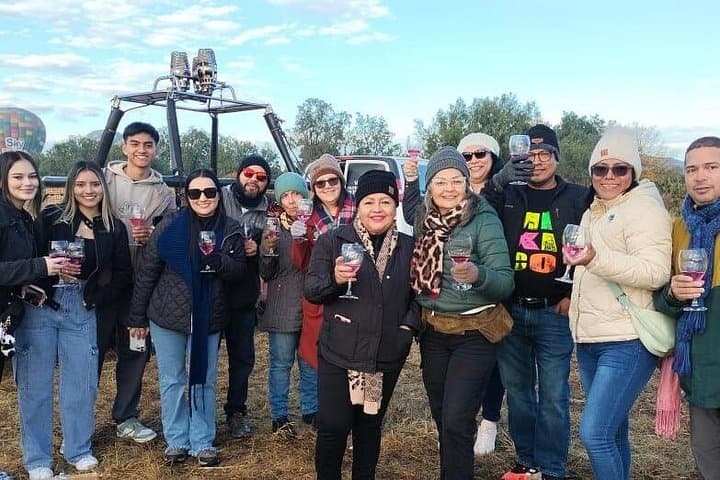
Teotihuacan is an archaeological landscape born of volcanic eruptions and centuries of human engineering; obsidian scars mark ancient commerce routes and maguey fields still show traditional uses. Cultural stops after landing include a breakfast inside a natural cave, a short talk on pulque and agave, and visits to local silver workshops—small scenes that explain how modern communities live with the ruins.
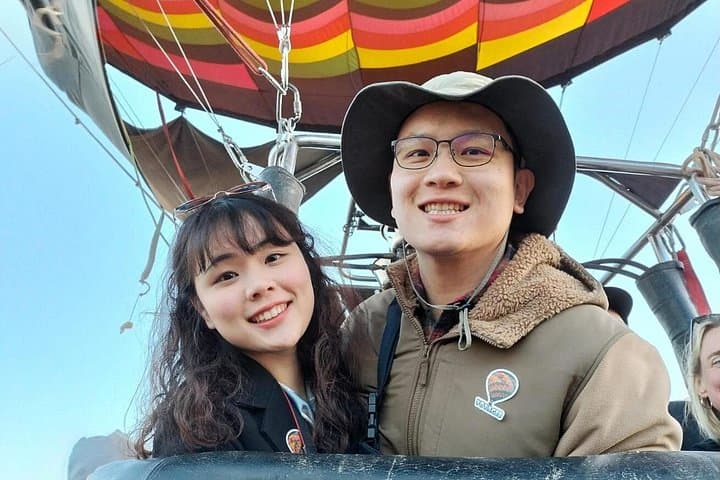
Practicalities matter: flights depart extremely early (often before 5am), weather governs cancellations, and the archaeological zone requires a separate entry fee if you stay on. Expect gentle standing, light stairs in and out of the basket, and minimal physical strain, but bring layers—the valley can be frosty at dawn and warm by midmorning.
For photographers the angle is unmatched; for first-timers the quiet float gives a rare vantage on Mesoamerican scale. Safety is regulated: pilots hold permits and crews perform briefings; follow instructions, keep limbs inside the basket, and plan your visit to include time on the ground to walk the site or visit the cave restaurant afterward.
easy.
8 hours (approx.).
Suitable for most fitness levels; requires standing during flight and short walks after landing.
Pickups are typically before dawn (around 4:00–5:00am) to reach the launch site for sunrise conditions and reliable winds.
The experience is generally safe for most ages, but infants must sit on laps; those with serious spinal, heart, or pregnancy concerns should avoid the flight.
Operators cancel for wind or poor visibility and offer full refunds if canceled at least 24 hours before departure or rebooking when possible.
No—entry to the archaeological zone is optional and usually requires a separate fee (around $5) if you choose to enter after the tour.
Teotihuacan developed between 100 BCE and 650 CE and became one of the largest cities in pre-Columbian Americas, known for planned avenues, monumental pyramids, and obsidian trade.
Operators and local guides emphasize low-impact landings and waste carry-out; visitors are asked to respect archaeological site rules and avoid climbing restricted structures.
Vuelo en globo Teotihuacan operates guided outdoor trips and adventures with an emphasis on safety, stewardship, and memorable experiences.
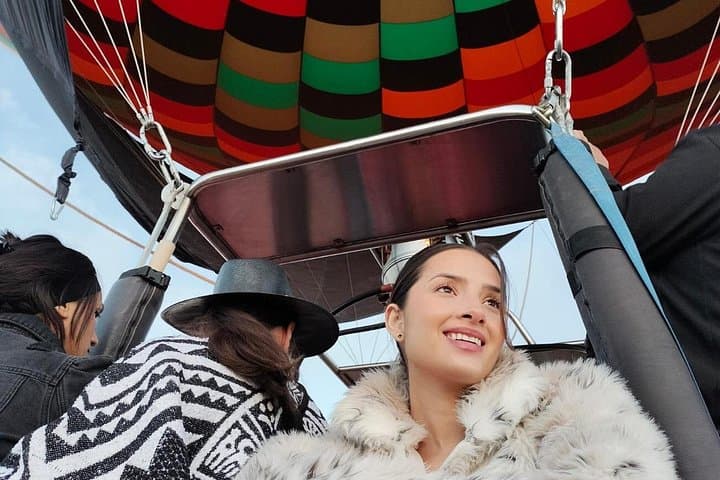
Before sunrise the valley exhales cool air and the balloon envelopes begin to fill—canvas rising, colors bright against a pale sky.
Before sunrise the valley exhales cool air and the balloon envelopes begin to fill—canvas rising, colors bright against a pale sky.
You lift off quietly, the burners punctuating the hush, and Teotihuacan’s pyramids reveal themselves as geometric islands on a flat plain: Pyramid of the Sun large and patient, Avenue of the Dead stretching away like an ancient procession. The flight is cinematic but controlled—pilots follow regulated routes over agricultural terraces and volcanic stone outcrops while ground crews shadow your drift.
Teotihuacan is an archaeological landscape born of volcanic eruptions and centuries of human engineering; obsidian scars mark ancient commerce routes and maguey fields still show traditional uses. Cultural stops after landing include a breakfast inside a natural cave, a short talk on pulque and agave, and visits to local silver workshops—small scenes that explain how modern communities live with the ruins.
Practicalities matter: flights depart extremely early (often before 5am), weather governs cancellations, and the archaeological zone requires a separate entry fee if you stay on. Expect gentle standing, light stairs in and out of the basket, and minimal physical strain, but bring layers—the valley can be frosty at dawn and warm by midmorning.
For photographers the angle is unmatched; for first-timers the quiet float gives a rare vantage on Mesoamerican scale. Safety is regulated: pilots hold permits and crews perform briefings; follow instructions, keep limbs inside the basket, and plan your visit to include time on the ground to walk the site or visit the cave restaurant afterward.