THE ADVENTURE COLLECTIVE® · Independent discovery and booking for outdoor travel

Float over Pamukkale’s brilliant white travertines at dawn and watch ancient Hierapolis fall away beneath the balloon. This two-hour experience pairs geological spectacle with calm aerial perspective—ideal for photographers and travelers seeking a concise, unforgettable view.
Float over Pamukkale’s brilliant white travertines at dawn and watch ancient Hierapolis fall away beneath the balloon. This two-hour experience pairs geological spectacle with calm aerial perspective—ideal for photographers and travelers seeking a concise, unforgettable view.
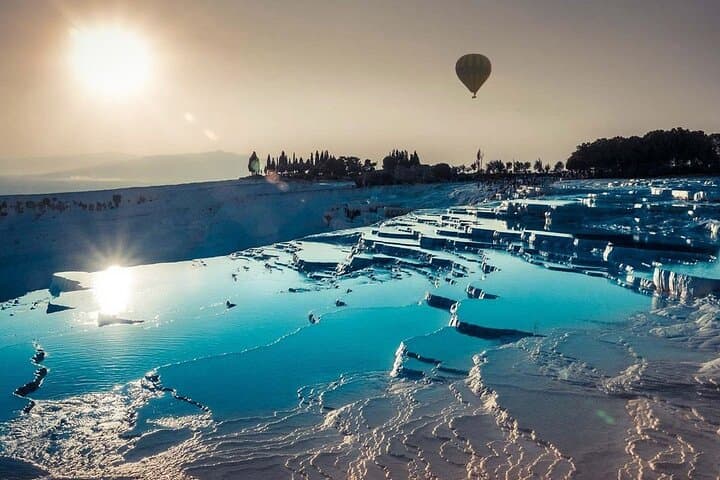
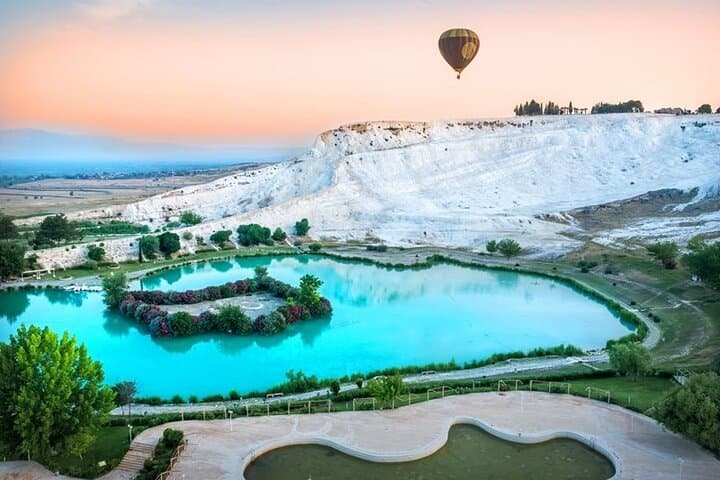
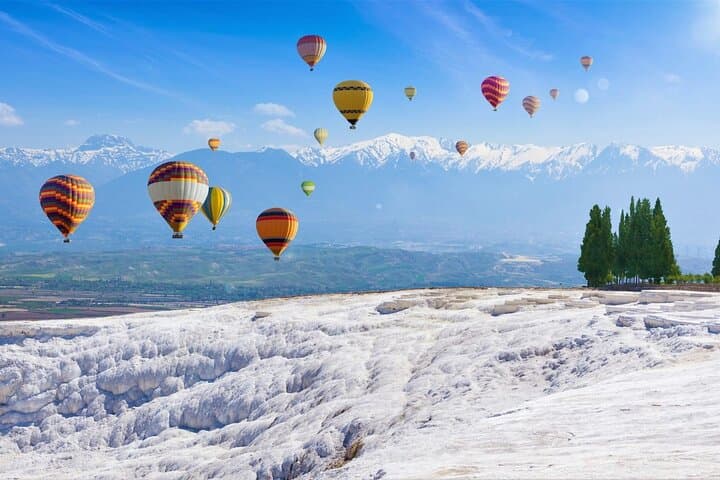
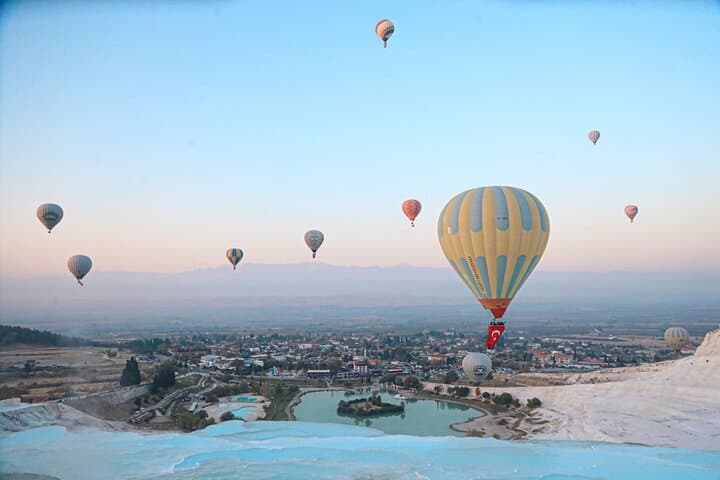
You lift off before the sun clears the ridge, the basket swaying as the valley below brightens. From the balloon the travertines unroll like frozen waterfalls—calcite-coated steps catching pale light—while the ruins of Hierapolis lie like a quiet city of stone beside them. The air is cool, the burner’s hiss punctuating an otherwise elemental silence.
Verified experiences and guided adventures in the surrounding area.
Operated by Skyway Travel Cappadocia · Pamukkale, Denizli Province
You lift off before the sun clears the ridge, the basket swaying as the valley below brightens. From the balloon the travertines unroll like frozen waterfalls—calcite-coated steps catching pale light—while the ruins of Hierapolis lie like a quiet city of stone beside them. The air is cool, the burner’s hiss punctuating an otherwise elemental silence.
Geology here is performance: mineral-rich thermal springs deposit calcium carbonate, building the white terraces over millennia. Hierapolis, founded in the Hellenistic period and later a thriving Roman spa, complements the scene—stone theaters, baths, and sarcophagi trace a long human relationship with moving water.
Culturally, Pamukkale is both a natural wonder and a pilgrimage site for bathers; modern visitors balance photography with preservation rules. Expect aerial views of the travertines, the broad valley toward Denizli, and agricultural patches that reveal how locals shape the land around the springs.
Practical guidance: the experience is brief (about two hours including transfers) and suitable for most fitness levels, but follow health advisories—pregnant travelers and those with serious heart or spinal issues should not fly. Dress in layers for the temperature drop at altitude; footwear should be stable for uneven hotel pickup points and short on-foot stretches. Bring a camera with a short telephoto, sunscreen, and any required travel documents for pickup.
Operators usually provide a flight certificate and a small celebration after landing—expect a champagne toast and a quick transfer back to your hotel. Weather can cancel flights; book early-morning slots for the most reliable air and the best light.
easy.
2 hours.
Light activity: able to stand for the flight and get in/out of a balloon basket; no special fitness required
The total experience is about two hours including pickup and transfer; actual airborne time is typically 45–60 minutes depending on conditions.
Hot air ballooning is regulated; pilots are licensed and flights are flown under conservative weather criteria, but those with heart, spinal issues, or pregnancy should not fly.
Yes—operators usually include hotel pickup and drop-off; confirm your pickup point and time at booking.
Flights are canceled for unsafe winds or rain; operators typically offer a full refund if canceled at least 24 hours before, or rescheduling depending on availability.
Hierapolis grew as a Roman spa city around the thermal springs; its baths and theater reflect centuries of health-focused pilgrimage.
Pamukkale’s travertines are delicate—visitor pathways and access controls protect the formations, so follow site rules and avoid soiling the terraces.
Skyway Travel Cappadocia operates guided outdoor trips and adventures with an emphasis on safety, stewardship, and memorable experiences.
You lift off before the sun clears the ridge, the basket swaying as the valley below brightens. From the balloon the travertines unroll like frozen waterfalls—calcite-coated steps catching pale light—while the ruins of Hierapolis lie like a quiet city of stone beside them. The air is cool, the burner’s hiss punctuating an otherwise elemental silence.
You lift off before the sun clears the ridge, the basket swaying as the valley below brightens. From the balloon the travertines unroll like frozen waterfalls—calcite-coated steps catching pale light—while the ruins of Hierapolis lie like a quiet city of stone beside them. The air is cool, the burner’s hiss punctuating an otherwise elemental silence.
Geology here is performance: mineral-rich thermal springs deposit calcium carbonate, building the white terraces over millennia. Hierapolis, founded in the Hellenistic period and later a thriving Roman spa, complements the scene—stone theaters, baths, and sarcophagi trace a long human relationship with moving water.
Culturally, Pamukkale is both a natural wonder and a pilgrimage site for bathers; modern visitors balance photography with preservation rules. Expect aerial views of the travertines, the broad valley toward Denizli, and agricultural patches that reveal how locals shape the land around the springs.
Practical guidance: the experience is brief (about two hours including transfers) and suitable for most fitness levels, but follow health advisories—pregnant travelers and those with serious heart or spinal issues should not fly. Dress in layers for the temperature drop at altitude; footwear should be stable for uneven hotel pickup points and short on-foot stretches. Bring a camera with a short telephoto, sunscreen, and any required travel documents for pickup.
Operators usually provide a flight certificate and a small celebration after landing—expect a champagne toast and a quick transfer back to your hotel. Weather can cancel flights; book early-morning slots for the most reliable air and the best light.