THE ADVENTURE COLLECTIVE® · Independent discovery and booking for outdoor travel

Visit the David Sheldrick Wildlife Trust for close-up elephant bottle feedings and an optional visit to the Giraffe Centre. This focused half-day tour offers intimate wildlife viewing, hotel pickup, and insight into Kenya's conservation efforts.
Visit the David Sheldrick Wildlife Trust for close-up elephant bottle feedings and an optional visit to the Giraffe Centre. This focused half-day tour offers intimate wildlife viewing, hotel pickup, and insight into Kenya's conservation efforts.
Walk into the compound as the city hum fades and the young elephants come trotting out—trunks up, ears working like sails—toward their keepers and giant milk bottles. The orphanage sits on the edge of Nairobi National Park, where short grass meets acacia and the air holds dust and the scent of animal hide. You’ll watch 10–15 minutes of bottle feeding up close, then see toddlers splash in water and practice the awkward, lumbering steps of recovery.
Verified experiences and guided adventures in the surrounding area.
Operated by Gracepatt Safaris · Nairobi, Nairobi County
Walk into the compound as the city hum fades and the young elephants come trotting out—trunks up, ears working like sails—toward their keepers and giant milk bottles. The orphanage sits on the edge of Nairobi National Park, where short grass meets acacia and the air holds dust and the scent of animal hide. You’ll watch 10–15 minutes of bottle feeding up close, then see toddlers splash in water and practice the awkward, lumbering steps of recovery.
The David Sheldrick Wildlife Trust was founded in the late 1970s to rescue and rehabilitate orphaned elephants; its volunteer keepers pair close husbandry with long-term release plans. Geologically, you’re on Nairobi’s high plateau—about 1,795 m above sea level—so expect highland sun and a flat, compacted dirt surface around the viewing area. Add the nearby Giraffe Centre if you want to climb a platform and feed endangered Rothschild’s giraffes eye-to-eye; both sites underscore Kenya’s conservation culture and community-based rescue work.
Practical guidance: the experience is short (roughly 3 hours total with hotel pickup), low-impact, and family-friendly. Wear sun protection, bring a refillable water bottle, and carry a small amount of cash for donations or souvenirs. Respect the rope barriers—keepers control interactions for the animals’ safety. Note a mandatory National Park Conservation fee of USD 85 per person for access. Morning slots are the most active for feedings and cooler for wildlife photography. This is a rare, intimate wildlife encounter that rewards patience, quiet observation, and support for long-term rehabilitation programs.
easy.
3 hours.
Suitable for all fitness levels; requires standing and short, flat walks.
No; there is a mandatory National Park Conservation fee of USD 85 per person to access the Elephant Orphanage that must be paid separately.
No; visitors observe feeding and play but must not touch or feed animals—keepers handle all direct interactions for safety and rehabilitation.
Yes; this tour includes hotel pickup and drop-off within Nairobi as part of the package.
Yes; it is family-friendly. Infants must sit on an adult's lap, and children should be supervised near viewing ropes.
Founded in the late 1970s by conservationists including Daphne Sheldrick, the trust rehabilitates orphaned elephants for eventual release and educates the public on human-wildlife coexistence.
The orphanage focuses on rescue, rehabilitation, and release; visitor fees and donations support veterinary care, anti-poaching efforts, and community outreach programs.
Gracepatt Safaris operates guided outdoor trips and adventures with an emphasis on safety, stewardship, and memorable experiences.
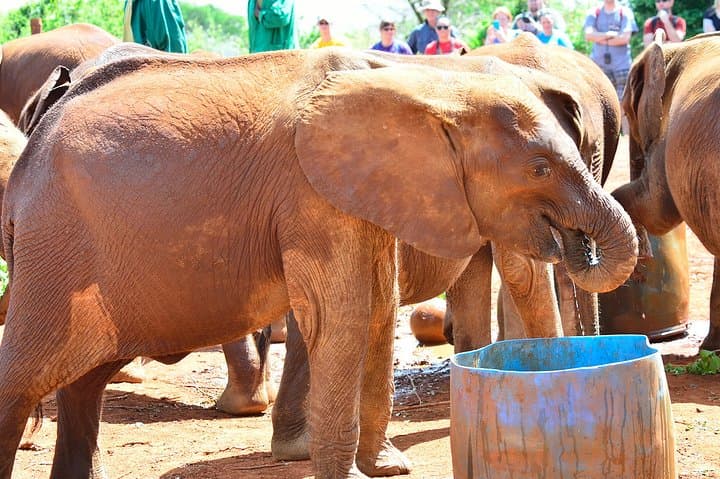
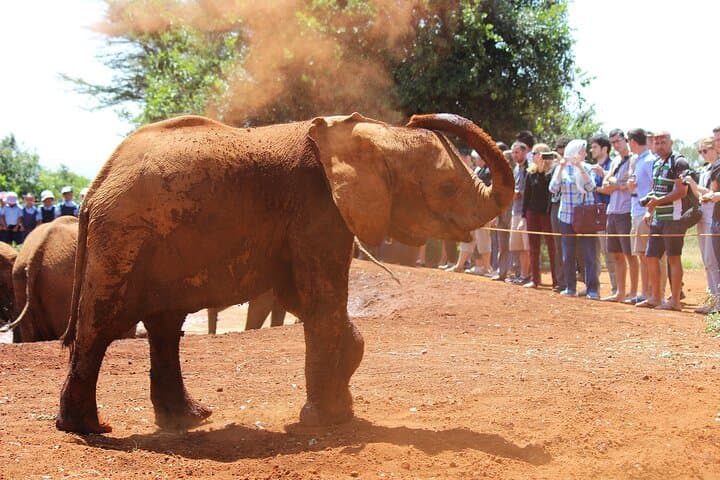
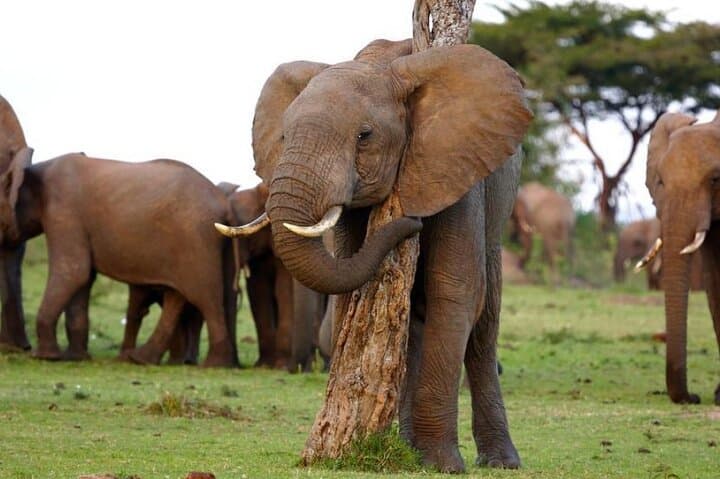
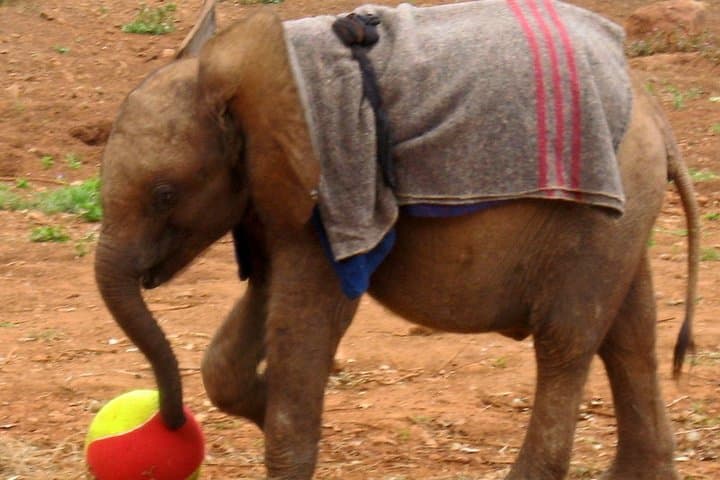
Walk into the compound as the city hum fades and the young elephants come trotting out—trunks up, ears working like sails—toward their keepers and giant milk bottles. The orphanage sits on the edge of Nairobi National Park, where short grass meets acacia and the air holds dust and the scent of animal hide. You’ll watch 10–15 minutes of bottle feeding up close, then see toddlers splash in water and practice the awkward, lumbering steps of recovery.
Walk into the compound as the city hum fades and the young elephants come trotting out—trunks up, ears working like sails—toward their keepers and giant milk bottles. The orphanage sits on the edge of Nairobi National Park, where short grass meets acacia and the air holds dust and the scent of animal hide. You’ll watch 10–15 minutes of bottle feeding up close, then see toddlers splash in water and practice the awkward, lumbering steps of recovery.
The David Sheldrick Wildlife Trust was founded in the late 1970s to rescue and rehabilitate orphaned elephants; its volunteer keepers pair close husbandry with long-term release plans. Geologically, you’re on Nairobi’s high plateau—about 1,795 m above sea level—so expect highland sun and a flat, compacted dirt surface around the viewing area. Add the nearby Giraffe Centre if you want to climb a platform and feed endangered Rothschild’s giraffes eye-to-eye; both sites underscore Kenya’s conservation culture and community-based rescue work.
Practical guidance: the experience is short (roughly 3 hours total with hotel pickup), low-impact, and family-friendly. Wear sun protection, bring a refillable water bottle, and carry a small amount of cash for donations or souvenirs. Respect the rope barriers—keepers control interactions for the animals’ safety. Note a mandatory National Park Conservation fee of USD 85 per person for access. Morning slots are the most active for feedings and cooler for wildlife photography. This is a rare, intimate wildlife encounter that rewards patience, quiet observation, and support for long-term rehabilitation programs.