THE ADVENTURE COLLECTIVE® · Independent discovery and booking for outdoor travel

Watch rescued baby elephants being bottle-fed at the David Sheldrick Wildlife Trust near Nairobi National Park. This guided visit pairs close-up animal viewing with insight into rescue, rehabilitation, and local conservation work.
Watch rescued baby elephants being bottle-fed at the David Sheldrick Wildlife Trust near Nairobi National Park. This guided visit pairs close-up animal viewing with insight into rescue, rehabilitation, and local conservation work.
A soft heat hangs over the scrubby grass as minibuses thread past acacia and the skyline of Nairobi shrinks behind you. By 11:00 the orphanage opens: keepers appear at a low rope line, bottles in hand, and the youngest elephants trot out of the bush with a practiced, reckless curiosity. The scene is intimate—milk slurps, trunks probing the tented fence, and the animal-busy business of play.
Verified experiences and guided adventures in the surrounding area.
Operated by Muringa Kenya Tours & Safaris Ltd · Nairobi, Nairobi County
A soft heat hangs over the scrubby grass as minibuses thread past acacia and the skyline of Nairobi shrinks behind you. By 11:00 the orphanage opens: keepers appear at a low rope line, bottles in hand, and the youngest elephants trot out of the bush with a practiced, reckless curiosity. The scene is intimate—milk slurps, trunks probing the tented fence, and the animal-busy business of play.
The David Sheldrick Wildlife Trust grew from in-field rescue work by the Sheldrick family in the late 20th century and today combines emergency care with long-term rehabilitation and community outreach. Geologically the site sits on the Nairobi plateau—black cotton soils under acacia and thorn—while culturally the orphanage is part of Nairobi’s conservation identity and a frequent stop for visitors to Nairobi National Park.
Expect a short, guided visit: feeding for 10–15 minutes followed by observation of older calves for another 30–45 minutes. Photography is allowed but keep low, avoid flash, and follow keeper instructions; touching is not permitted. Note that Nairobi National Park access requires an additional park fee (often collected separately) and transport options include hotel pickup or public connections.
Practical edge: arrive early to secure good viewing spots, bring a light rain jacket in rainy months, and carry small local currency for park fees or souvenirs at the adjacent craft booths. The visit is suitable for families and non-hikers—it's about watching behavior and learning rescue stories, not trekking—so set aside roughly two hours for pickup, transfer, and the orphanage visit.
easy.
2 hours.
Minimal fitness required; mostly standing and short walking on flat ground
No—touching is not allowed to protect the calves’ health and to keep them habituated appropriately for rehabilitation.
Yes—the park fee is typically mandatory and may be collected separately (the product notes an extra USD85). Confirm with the operator before booking.
Feeding begins at 11:00 and the orphanage visit is about 45–60 minutes; total trip time including pickup and transfer is typically around two hours.
Families are welcome; infants must sit on laps. Service animals are permitted—notify the operator during booking.
The Sheldrick program began from the Sheldrick family's Kenya fieldwork in the late 20th century; it evolved into a formal trust focused on orphan rescue and rehabilitation.
The trust combines rescue care with anti-poaching support and community education—visitors are encouraged to support through donations and by following site rules to minimize disturbance.
Muringa Kenya Tours & Safaris Ltd operates guided outdoor trips and adventures with an emphasis on safety, stewardship, and memorable experiences.
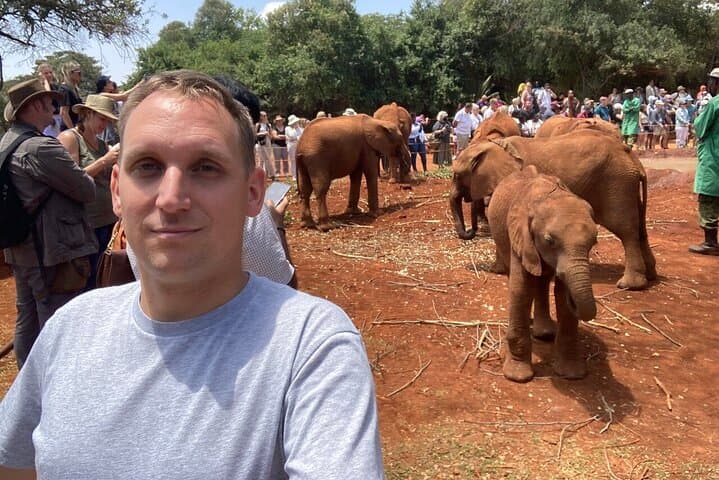
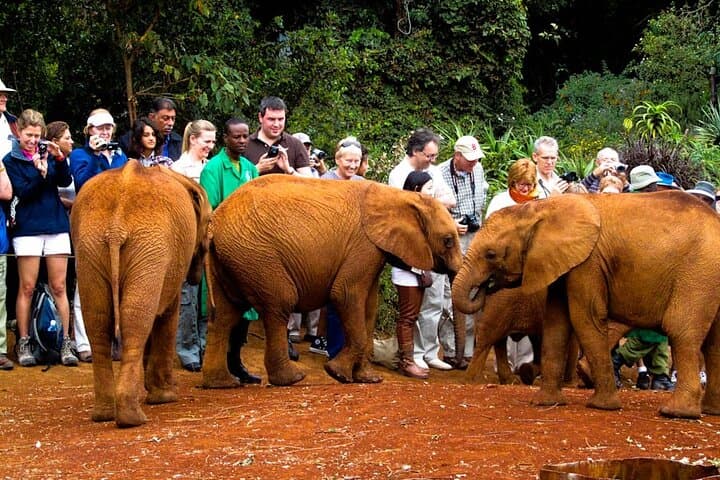
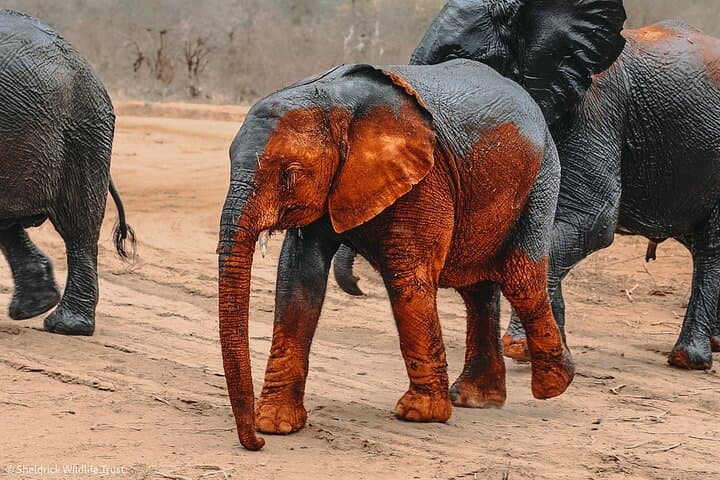
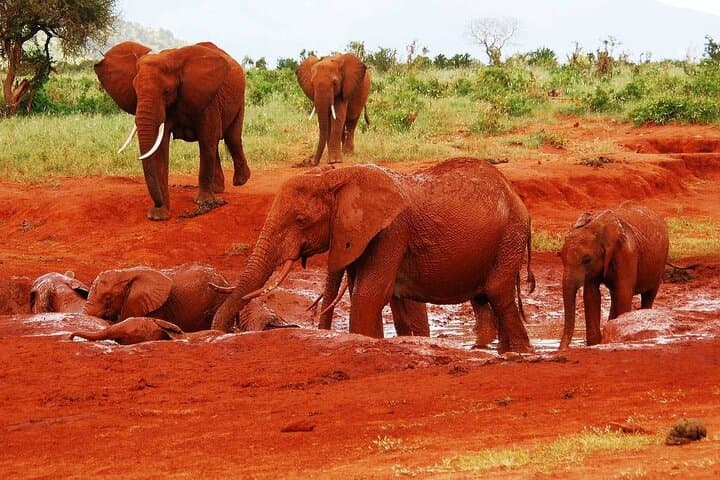
A soft heat hangs over the scrubby grass as minibuses thread past acacia and the skyline of Nairobi shrinks behind you. By 11:00 the orphanage opens: keepers appear at a low rope line, bottles in hand, and the youngest elephants trot out of the bush with a practiced, reckless curiosity. The scene is intimate—milk slurps, trunks probing the tented fence, and the animal-busy business of play.
A soft heat hangs over the scrubby grass as minibuses thread past acacia and the skyline of Nairobi shrinks behind you. By 11:00 the orphanage opens: keepers appear at a low rope line, bottles in hand, and the youngest elephants trot out of the bush with a practiced, reckless curiosity. The scene is intimate—milk slurps, trunks probing the tented fence, and the animal-busy business of play.
The David Sheldrick Wildlife Trust grew from in-field rescue work by the Sheldrick family in the late 20th century and today combines emergency care with long-term rehabilitation and community outreach. Geologically the site sits on the Nairobi plateau—black cotton soils under acacia and thorn—while culturally the orphanage is part of Nairobi’s conservation identity and a frequent stop for visitors to Nairobi National Park.
Expect a short, guided visit: feeding for 10–15 minutes followed by observation of older calves for another 30–45 minutes. Photography is allowed but keep low, avoid flash, and follow keeper instructions; touching is not permitted. Note that Nairobi National Park access requires an additional park fee (often collected separately) and transport options include hotel pickup or public connections.
Practical edge: arrive early to secure good viewing spots, bring a light rain jacket in rainy months, and carry small local currency for park fees or souvenirs at the adjacent craft booths. The visit is suitable for families and non-hikers—it's about watching behavior and learning rescue stories, not trekking—so set aside roughly two hours for pickup, transfer, and the orphanage visit.