THE ADVENTURE COLLECTIVE® · Independent discovery and booking for outdoor travel

Walk from Brixton to Soho with an expert guide and visit the homes, venues, and photo spots that shaped David Bowie’s career. This 2–3 hour urban walk mixes music history, culture, and street-level London insights.
Walk from Brixton to Soho with an expert guide and visit the homes, venues, and photo spots that shaped David Bowie’s career. This 2–3 hour urban walk mixes music history, culture, and street-level London insights.
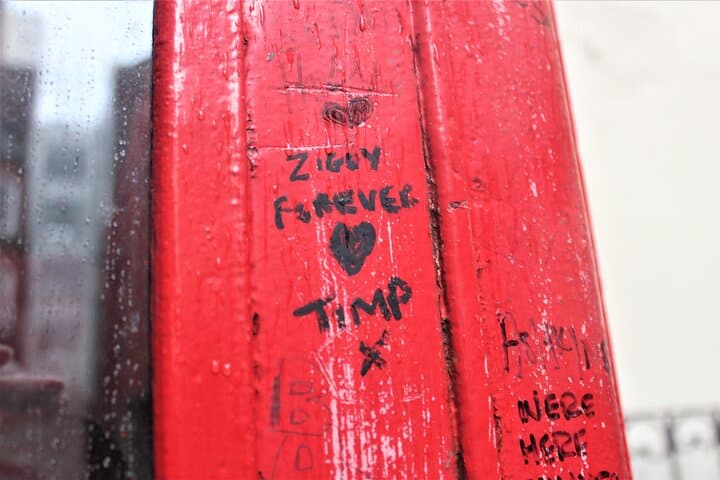
Stand on a Brixton terrace and feel the city press close: market stalls, a mural that remembers a local son, the distant rumble of the Tube. This walking tour threads those south London streets through Soho’s narrow lanes, tracing David Bowie’s life from his Brixton roots to the Tin Pan Alley and Heddon Street landmarks that shaped his public persona.
Verified experiences and guided adventures in the surrounding area.
Operated by Brit Music Tours · London, Greater London
Stand on a Brixton terrace and feel the city press close: market stalls, a mural that remembers a local son, the distant rumble of the Tube. This walking tour threads those south London streets through Soho’s narrow lanes, tracing David Bowie’s life from his Brixton roots to the Tin Pan Alley and Heddon Street landmarks that shaped his public persona.
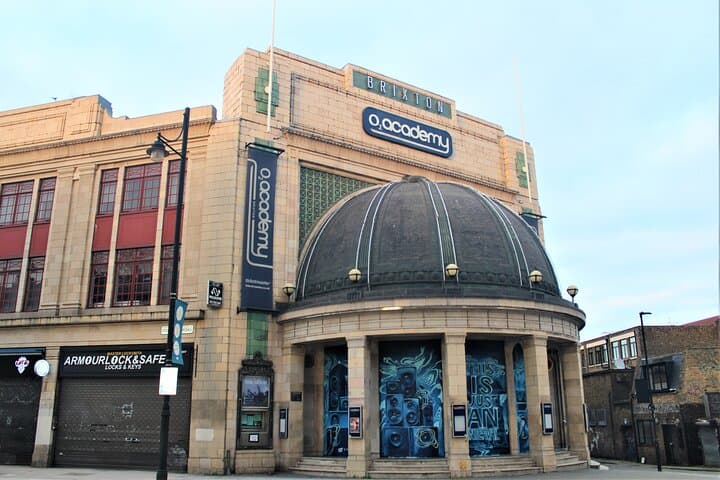
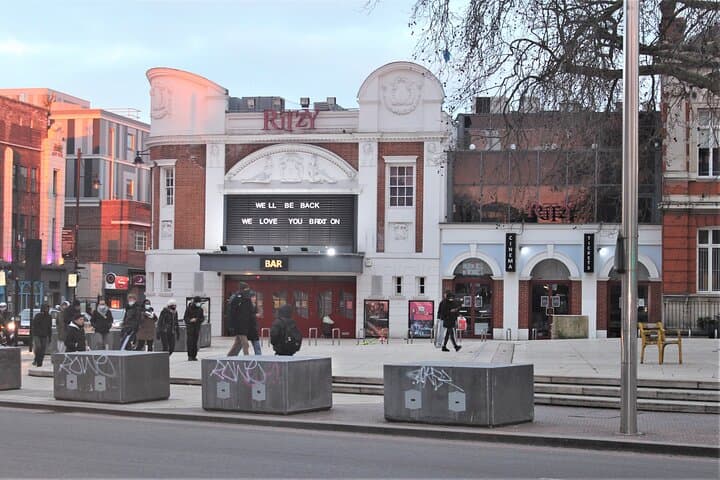
The route follows real places tied to Bowie’s story — his childhood neighbourhood in Brixton, the memorials and venues he played at, then eastwards into Soho and the music publishing strip on Denmark Street. Along the way guides unpack the cultural shifts of postwar London, the recording-studio boom of the 1960s–70s, and how the city’s urban fabric — Victorian terraces, narrow alleys, postwar redevelopment — set the stage for Bowie’s reinventions.
Expect a mostly flat urban walk across pavements and cobbled side streets, roughly 2–3 hours of steady walking with frequent stops for anecdotes and photos. The tour highlights places seen on album covers, former club venues, and Tin Pan Alley’s surviving record shops; it’s as much about social history and music industry geography as it is about the man.
Practical: wear supportive shoes, carry a contactless card for short Tube hops, and pick a morning or late-afternoon slot to avoid peak-footfall. Photography is welcome but be respectful around private residences. The guide’s stories fill gaps that maps don’t show — this is walking history with a soundtrack.
moderate.
2–3 hours.
Moderate fitness for standing and walking at a steady urban pace; no steep climbs.
Routes vary by departure but the tour links Brixton locations with Soho/Denmark Street; check your booking for the exact meeting point.
Yes if they can walk for up to 2–3 hours and manage urban pavements; contact the operator about mobility needs.
No — this is a walking, commentary-led tour that stops outside points of interest; any entry fees are extra.
Tours run in light rain; bring a waterproof. In extreme weather the operator’s cancellation policy applies and you can cancel up to 24 hours beforehand for a full refund.
David Bowie was born in Brixton in 1947 and later gravitated to Soho’s music and publishing scene; his career reflects postwar London’s cultural shifts.
This is urban tourism — support local businesses, avoid trampling small green spaces, and follow guidance to minimize noise and crowding around residential spots.
Brit Music Tours operates guided outdoor trips and adventures with an emphasis on safety, stewardship, and memorable experiences.

Stand on a Brixton terrace and feel the city press close: market stalls, a mural that remembers a local son, the distant rumble of the Tube. This walking tour threads those south London streets through Soho’s narrow lanes, tracing David Bowie’s life from his Brixton roots to the Tin Pan Alley and Heddon Street landmarks that shaped his public persona.
Stand on a Brixton terrace and feel the city press close: market stalls, a mural that remembers a local son, the distant rumble of the Tube. This walking tour threads those south London streets through Soho’s narrow lanes, tracing David Bowie’s life from his Brixton roots to the Tin Pan Alley and Heddon Street landmarks that shaped his public persona.
The route follows real places tied to Bowie’s story — his childhood neighbourhood in Brixton, the memorials and venues he played at, then eastwards into Soho and the music publishing strip on Denmark Street. Along the way guides unpack the cultural shifts of postwar London, the recording-studio boom of the 1960s–70s, and how the city’s urban fabric — Victorian terraces, narrow alleys, postwar redevelopment — set the stage for Bowie’s reinventions.
Expect a mostly flat urban walk across pavements and cobbled side streets, roughly 2–3 hours of steady walking with frequent stops for anecdotes and photos. The tour highlights places seen on album covers, former club venues, and Tin Pan Alley’s surviving record shops; it’s as much about social history and music industry geography as it is about the man.
Practical: wear supportive shoes, carry a contactless card for short Tube hops, and pick a morning or late-afternoon slot to avoid peak-footfall. Photography is welcome but be respectful around private residences. The guide’s stories fill gaps that maps don’t show — this is walking history with a soundtrack.