THE ADVENTURE COLLECTIVE® · Independent discovery and booking for outdoor travel

Explore Javakheti’s wild high plateau on a full‑day loop from Tbilisi: basalt cliffs and waterfalls at Dashbashi, sweeping Paravani Lake, and bird-rich shallow lagoons at Sagamo and Khanchali. Expect short walks, strong wind, and meaningful cultural stops like Phoka’s St. Nino convent.
Explore Javakheti’s wild high plateau on a full‑day loop from Tbilisi: basalt cliffs and waterfalls at Dashbashi, sweeping Paravani Lake, and bird-rich shallow lagoons at Sagamo and Khanchali. Expect short walks, strong wind, and meaningful cultural stops like Phoka’s St. Nino convent.
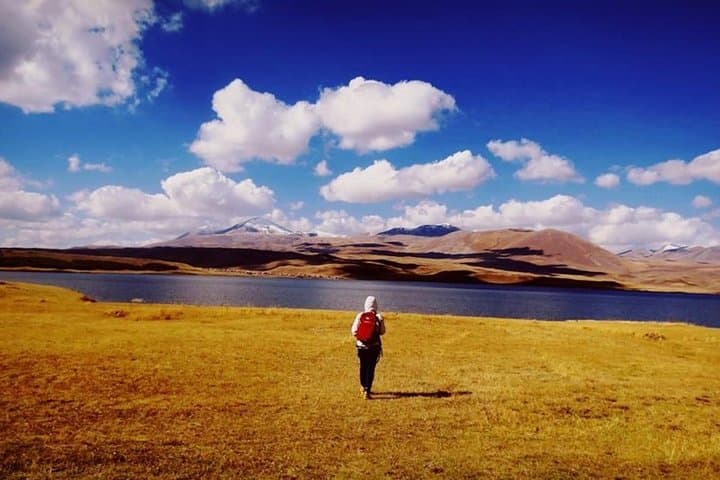
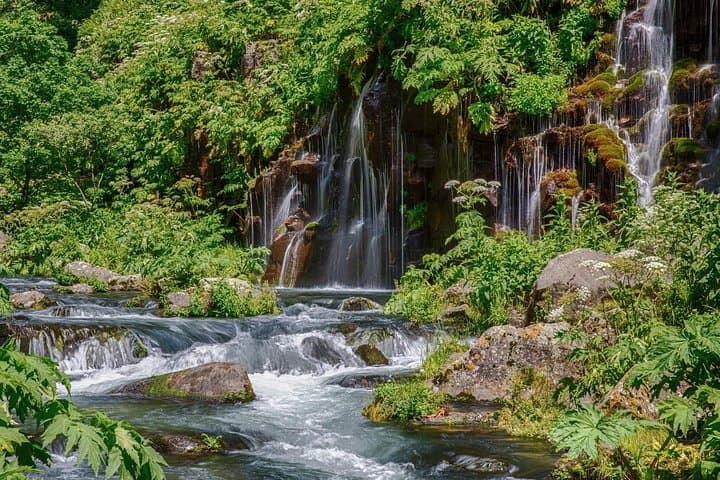
You step out of the minivan into wind and wide light: the Javakheti plateau spreads in raw horizontals, a volcanic brim ringing Great Abuli’s slopes. Dry grass rattles like pages and a canyon’s throat—Dashbashi—cuts the plateau, water still daring the stones below. The guide points across the rim; spray and basalt columns frame waterfalls that have carved this place for millennia.
Verified experiences and guided adventures in the surrounding area.
Operated by Sakura Travel Agency · Tsalka, Samtskhe-Javakheti
You step out of the minivan into wind and wide light: the Javakheti plateau spreads in raw horizontals, a volcanic brim ringing Great Abuli’s slopes. Dry grass rattles like pages and a canyon’s throat—Dashbashi—cuts the plateau, water still daring the stones below. The guide points across the rim; spray and basalt columns frame waterfalls that have carved this place for millennia.
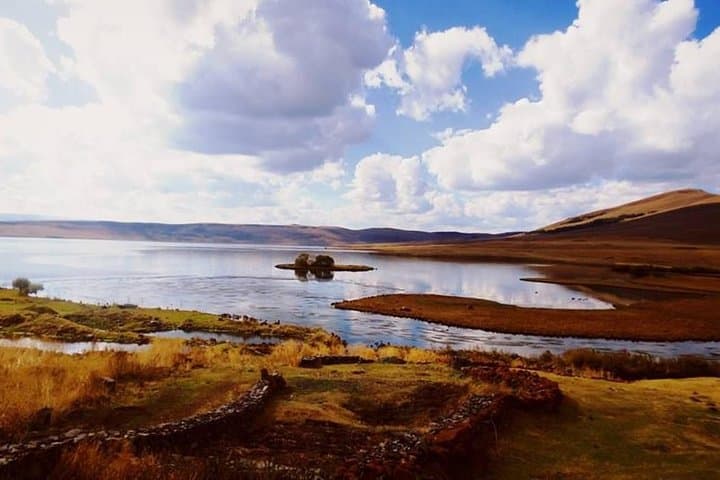
This region sits around 2,000 m on an ancient volcanic plateau. Great Abuli (3,301 m) dominates the skyline; Paravani Lake, Georgia’s largest, occupies a tectonic basin nearby. The area is marked by pastoral culture—sheep, seasonal grazing—and by Christian history: Phoka’s St. Nino convent recalls the 4th‑century missionary whose journey shaped Georgian faith.
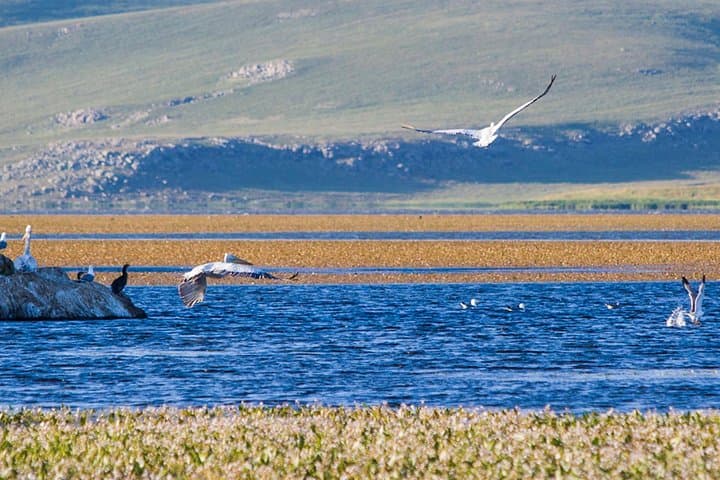
Expect broad, wind-swept views, shallow reed-fringed lakes that attract migrating birds, and short, firm walks rather than long hikes. Dashbashi offers viewing platforms and short trails; Paravani and Sagamo are lakefront stops with cultural interludes—lunch at a small convent is possible and authentic. Khanchali’s shallows make it a magnet for waders in summer and autumn.
Practical bits: plan for an 8–10 hour day with most time in a comfortable A/C minivan and several brief walks. Dress in layers and a windproof shell; bring binoculars and sun protection. Roads in Javakheti are quiet but can be rough in shoulder seasons—expect dusty tracks after rain. If you’re chasing bird migration, schedule visits in early autumn or spring and follow local guidance to avoid disturbing nesting birds.
easy.
8–10 hours.
Suitable for travelers in average fitness; involves several short walks (10–40 minutes) and time in a vehicle.
Most departures are from Tbilisi with pickup points; the loop returns to the city the same day—confirm your pickup in advance.
Walking is limited to short viewing trails and lakeshore strolls (typically 10–40 minutes each); the day is mostly spent traveling between sites by minivan.
Yes—infant seats are available and the day is family‑friendly, but expect a long day in the vehicle and some exposed outdoor time.
Late spring through autumn sees the most migratory activity; autumn migration in September–October is particularly active at the shallow lakes.
The plateau has volcanic origins and is crowned by Great Abuli; Phoka’s St. Nino convent commemorates the 4th‑century saint credited with converting Georgia to Christianity.
Javakheti’s wetlands are crucial stopovers for migratory birds; visitors should minimize disturbance, stay on designated paths, and support local conservation efforts amid growing development pressures.
Sakura Travel Agency operates guided outdoor trips and adventures with an emphasis on safety, stewardship, and memorable experiences.
You step out of the minivan into wind and wide light: the Javakheti plateau spreads in raw horizontals, a volcanic brim ringing Great Abuli’s slopes. Dry grass rattles like pages and a canyon’s throat—Dashbashi—cuts the plateau, water still daring the stones below. The guide points across the rim; spray and basalt columns frame waterfalls that have carved this place for millennia.
You step out of the minivan into wind and wide light: the Javakheti plateau spreads in raw horizontals, a volcanic brim ringing Great Abuli’s slopes. Dry grass rattles like pages and a canyon’s throat—Dashbashi—cuts the plateau, water still daring the stones below. The guide points across the rim; spray and basalt columns frame waterfalls that have carved this place for millennia.
This region sits around 2,000 m on an ancient volcanic plateau. Great Abuli (3,301 m) dominates the skyline; Paravani Lake, Georgia’s largest, occupies a tectonic basin nearby. The area is marked by pastoral culture—sheep, seasonal grazing—and by Christian history: Phoka’s St. Nino convent recalls the 4th‑century missionary whose journey shaped Georgian faith.
Expect broad, wind-swept views, shallow reed-fringed lakes that attract migrating birds, and short, firm walks rather than long hikes. Dashbashi offers viewing platforms and short trails; Paravani and Sagamo are lakefront stops with cultural interludes—lunch at a small convent is possible and authentic. Khanchali’s shallows make it a magnet for waders in summer and autumn.
Practical bits: plan for an 8–10 hour day with most time in a comfortable A/C minivan and several brief walks. Dress in layers and a windproof shell; bring binoculars and sun protection. Roads in Javakheti are quiet but can be rough in shoulder seasons—expect dusty tracks after rain. If you’re chasing bird migration, schedule visits in early autumn or spring and follow local guidance to avoid disturbing nesting birds.