THE ADVENTURE COLLECTIVE® · Independent discovery and booking for outdoor travel

Walk Darwin at your own pace with a self-guided audio tour that threads WWII history, Larrakia connections and waterfront life into a 2–3 hour urban exploration. Download the files, bring sun protection and prepare to pause for food and small museums along the way.
Walk Darwin at your own pace with a self-guided audio tour that threads WWII history, Larrakia connections and waterfront life into a 2–3 hour urban exploration. Download the files, bring sun protection and prepare to pause for food and small museums along the way.
The sun leans over Darwin Harbour and the humidity presses gently against your skin as you step off the shaded pavement into a route that moves at your pace. Headphones on, the city’s voice arrives — a mix of wartime memories, Larrakia place-names and market chatter — guiding you past gardens, memorials and weathered colonial facades.
Verified experiences and guided adventures in the surrounding area.
Operated by Citywalksz Ltd · Darwin, Northern Territory
The sun leans over Darwin Harbour and the humidity presses gently against your skin as you step off the shaded pavement into a route that moves at your pace. Headphones on, the city’s voice arrives — a mix of wartime memories, Larrakia place-names and market chatter — guiding you past gardens, memorials and weathered colonial facades.
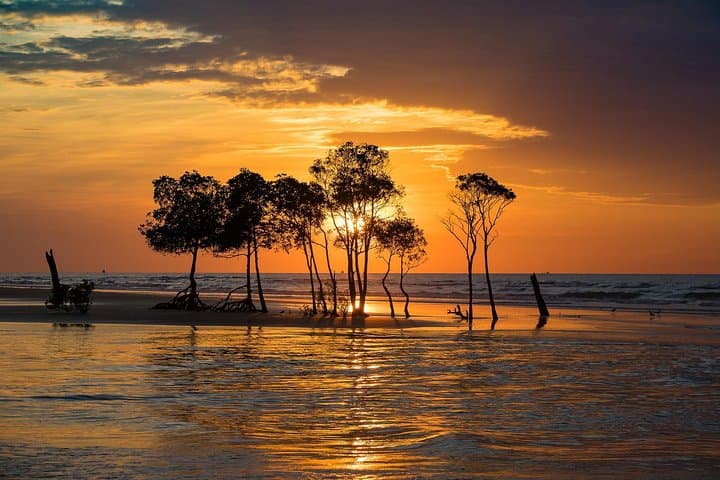
Darwin’s story is immediate: an important coastal trading post, battered by World War II bombings and reshaped after Cyclone Tracy in 1974. Beneath the urban grid lie ancient tropical sandstone and mangrove flats carved by tidal rhythms; the area is traditional land of the Larrakia people, whose seasonal connection to sea and saltwater country threads through local place-names and lore.
Cultural stops on a walking audio tour typically include compact museums, small galleries and civic landmarks like the Cenotaph and Government House — each offering a focused lens on migration, wartime resilience and contemporary northern Territory art. The harbour dares you to glance toward the water, while markets and Asian-influenced eateries invite pauses for food and people-watching.
Practical guidance: plan for 2–3 hours but build extra time for snacks or gallery visits. Start in the cooler morning or late afternoon to avoid heat; bring sun protection, a full phone battery and pre-download the audio and map. Wear supportive shoes—footpaths are mostly flat but exposed—and carry a refillable bottle. The tour is self-paced, English only, and best for curious walkers who want context without a group pace. With a little preparation, a downtown stroll becomes a layered, local education.
moderate.
2–3 hours.
Suitable for people with moderate fitness who can walk on city sidewalks for a few hours with short stops
The tour runs about 2–3 hours depending on stops; you can pause the audio and extend time at museums, markets or cafes.
Much of the route is on paved sidewalks and flat parkland, but some small museums may have limited accessibility; the tour is not recommended for travelers with serious spinal or cardiovascular issues.
The audio is available only in English; map materials accompany the download for navigation.
Wildlife in urban Darwin is mostly birds and flying foxes; stay away from mangroves and creek edges after dark and heed local signage about tides and restricted areas.
Darwin was heavily bombed in World War II and largely rebuilt after Cyclone Tracy in 1974; the city blends Indigenous Larrakia heritage with 20th-century resilience.
Tidal flats and mangroves support local ecosystems; stay on paths, avoid littering and support local businesses that prioritize sustainable seafood and waste reduction.
Citywalksz Ltd operates guided outdoor trips and adventures with an emphasis on safety, stewardship, and memorable experiences.


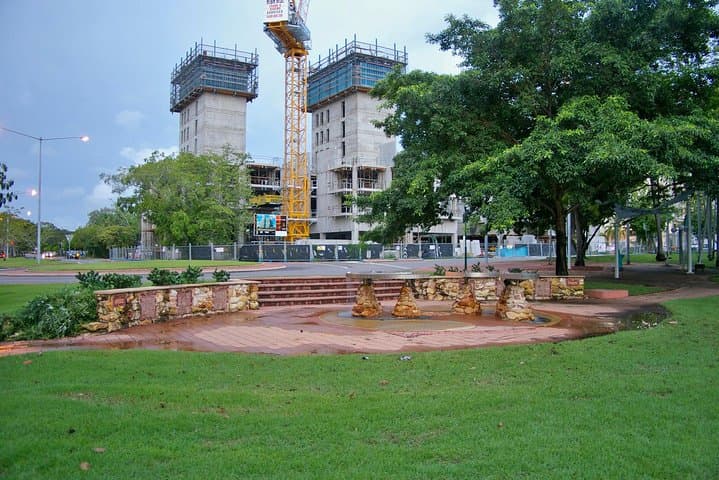
The sun leans over Darwin Harbour and the humidity presses gently against your skin as you step off the shaded pavement into a route that moves at your pace. Headphones on, the city’s voice arrives — a mix of wartime memories, Larrakia place-names and market chatter — guiding you past gardens, memorials and weathered colonial facades.
The sun leans over Darwin Harbour and the humidity presses gently against your skin as you step off the shaded pavement into a route that moves at your pace. Headphones on, the city’s voice arrives — a mix of wartime memories, Larrakia place-names and market chatter — guiding you past gardens, memorials and weathered colonial facades.
Darwin’s story is immediate: an important coastal trading post, battered by World War II bombings and reshaped after Cyclone Tracy in 1974. Beneath the urban grid lie ancient tropical sandstone and mangrove flats carved by tidal rhythms; the area is traditional land of the Larrakia people, whose seasonal connection to sea and saltwater country threads through local place-names and lore.
Cultural stops on a walking audio tour typically include compact museums, small galleries and civic landmarks like the Cenotaph and Government House — each offering a focused lens on migration, wartime resilience and contemporary northern Territory art. The harbour dares you to glance toward the water, while markets and Asian-influenced eateries invite pauses for food and people-watching.
Practical guidance: plan for 2–3 hours but build extra time for snacks or gallery visits. Start in the cooler morning or late afternoon to avoid heat; bring sun protection, a full phone battery and pre-download the audio and map. Wear supportive shoes—footpaths are mostly flat but exposed—and carry a refillable bottle. The tour is self-paced, English only, and best for curious walkers who want context without a group pace. With a little preparation, a downtown stroll becomes a layered, local education.