THE ADVENTURE COLLECTIVE® · Independent discovery and booking for outdoor travel

A full-day loop from Castro that mixes shoreline walks, peatland forest and Chonchi’s UNESCO church. Expect a short, wet-forest hike, regional lunch and cultural stops that reveal Chiloé’s island rhythms.
A full-day loop from Castro that mixes shoreline walks, peatland forest and Chonchi’s UNESCO church. Expect a short, wet-forest hike, regional lunch and cultural stops that reveal Chiloé’s island rhythms.
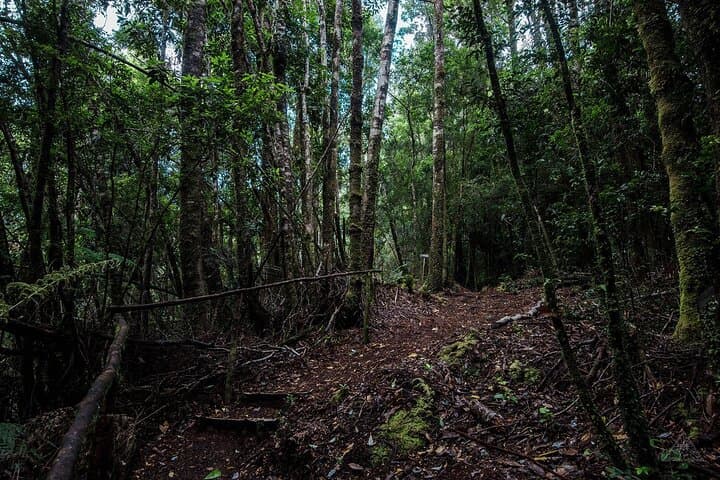
Step off the road and into a different northern Patagonian mood: wind chisels the lake surface, low forest thickets press close, and the scent of damp wood rises from the peat-rich soils.
Verified experiences and guided adventures in the surrounding area.
Operated by Tangol · Castro, Los Lagos Region
Step off the road and into a different northern Patagonian mood: wind chisels the lake surface, low forest thickets press close, and the scent of damp wood rises from the peat-rich soils.
This day tour—often run from Castro—threads small towns, wetlands and the El Tepual trail inside Chiloé National Park. The island’s geology is young volcanic and glacial sediment; rocky shorelines give way to bogs and a low, closed canopy of tepú, a wetland-loving shrub that defines the park’s micro-forests. Cultural markers appear in Chonchi: a hill-town church declared World Heritage and wooden houses staggered across steep streets where islanders still practice artisanal fishing and carpentry.
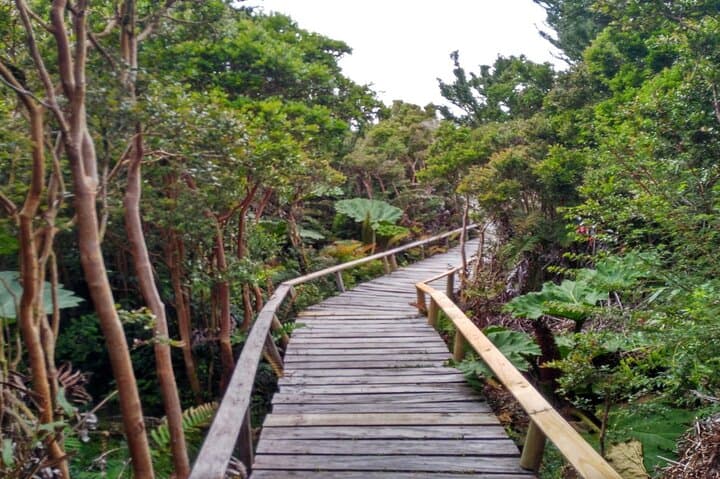
Expect a compact hike on El Tepual of roughly 1–2 km round-trip, with minimal elevation gain (under 100 m) and soft, often muddy footing. The route follows lake edges, crosses small boardwalks and reaches viewpoints where lagoons dare you to pause. Guides usually include transport, a regional lunch stop and entrance fees; local guides may collect small donations for the historic churches.
Plan layers for wind and drizzle, waterproof footwear for boggy trails, and modest cash for remote cafes and tips. Morning departures improve light for photos and reduce afternoon winds. Keep to trails to protect fragile peatlands and give wildlife—like pudú and otters—the space they need.
This route is approachable for a full-day outing: evocative landscapes, concise walking, and direct cultural access make it an efficient way to sample Chiloé’s wild side.
easy.
7 hours.
Suitable for most fitness levels; requires ability to walk uneven, muddy trails for up to an hour.
The El Tepual trail portion is approximately 1–2 km round-trip and takes about 45–60 minutes, depending on stops.
Yes; this tour includes entrance to Chiloé National Park as described in the itinerary.
Yes—it's suitable for children able to walk short distances on uneven ground; guardians should bring appropriate clothing and supervise on boardwalks.
Lunch at a regional restaurant is included in most departures, featuring local preparations and ingredients.
Chiloé’s wooden churches reflect a fusion of indigenous and Spanish carpentry; several, including Chonchi’s church, are UNESCO-recognized examples of this island building tradition.
The park protects sensitive peatlands and coastal wetlands—stick to trails, avoid trampling vegetation and support local guides to minimize impact.
Tangol operates guided outdoor trips and adventures with an emphasis on safety, stewardship, and memorable experiences.
Step off the road and into a different northern Patagonian mood: wind chisels the lake surface, low forest thickets press close, and the scent of damp wood rises from the peat-rich soils.
Step off the road and into a different northern Patagonian mood: wind chisels the lake surface, low forest thickets press close, and the scent of damp wood rises from the peat-rich soils.
This day tour—often run from Castro—threads small towns, wetlands and the El Tepual trail inside Chiloé National Park. The island’s geology is young volcanic and glacial sediment; rocky shorelines give way to bogs and a low, closed canopy of tepú, a wetland-loving shrub that defines the park’s micro-forests. Cultural markers appear in Chonchi: a hill-town church declared World Heritage and wooden houses staggered across steep streets where islanders still practice artisanal fishing and carpentry.
Expect a compact hike on El Tepual of roughly 1–2 km round-trip, with minimal elevation gain (under 100 m) and soft, often muddy footing. The route follows lake edges, crosses small boardwalks and reaches viewpoints where lagoons dare you to pause. Guides usually include transport, a regional lunch stop and entrance fees; local guides may collect small donations for the historic churches.
Plan layers for wind and drizzle, waterproof footwear for boggy trails, and modest cash for remote cafes and tips. Morning departures improve light for photos and reduce afternoon winds. Keep to trails to protect fragile peatlands and give wildlife—like pudú and otters—the space they need.
This route is approachable for a full-day outing: evocative landscapes, concise walking, and direct cultural access make it an efficient way to sample Chiloé’s wild side.