THE ADVENTURE COLLECTIVE® · Independent discovery and booking for outdoor travel

Spend a full day chasing Spanish mackerel, snapper and more from Darwin’s harbor to the Timor Sea. Small groups, experienced crew and reef-to-drop-off fishing make this a top Top End offshore option. Read on for what to expect and how to prepare.
Spend a full day chasing Spanish mackerel, snapper and more from Darwin’s harbor to the Timor Sea. Small groups, experienced crew and reef-to-drop-off fishing make this a top Top End offshore option. Read on for what to expect and how to prepare.
The sun lifts off Darwin’s horizon and the harbor exhales salt and diesel as a six-guest boat slips past Stokes Hill Wharf toward the deep blue of the Timor Sea.
Verified experiences and guided adventures in the surrounding area.
Operated by Cape Adieu Harbour Cruises · Darwin, Northern Territory
The sun lifts off Darwin’s horizon and the harbor exhales salt and diesel as a six-guest boat slips past Stokes Hill Wharf toward the deep blue of the Timor Sea.
By mid-morning you’ll feel the current change — reefs giving way to bluewater drop-offs, wrecks marking thresholds between shallow and deep. These formations are geological seams: fringing reef, carbonate shelves and abrupt continental fall-offs that gather bait and predators alike. Locally, fishing is part of the Top End’s working culture, shaped by Indigenous coastal knowledge, WWII history of nearby wrecks, and a modern charter scene that chases pelagics and bottom fish in equal measure.
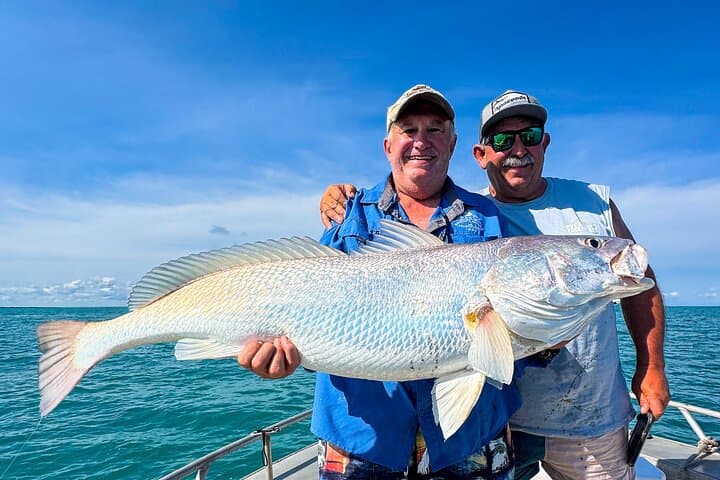
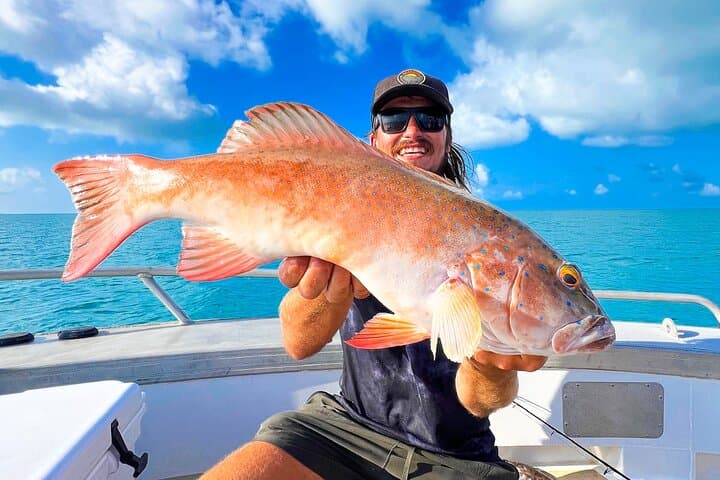
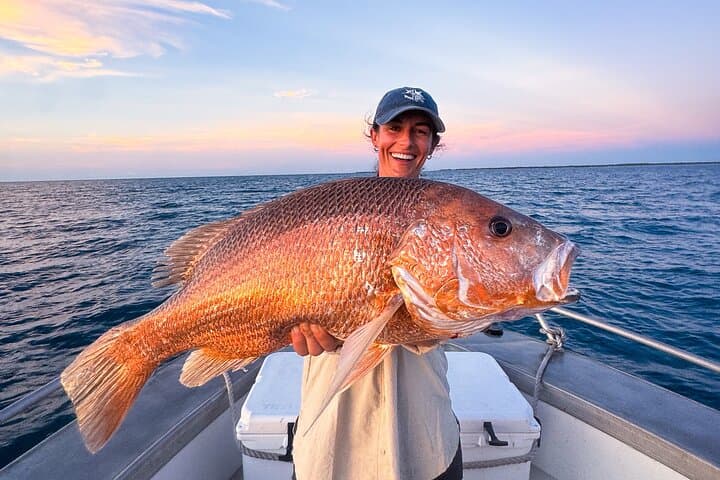
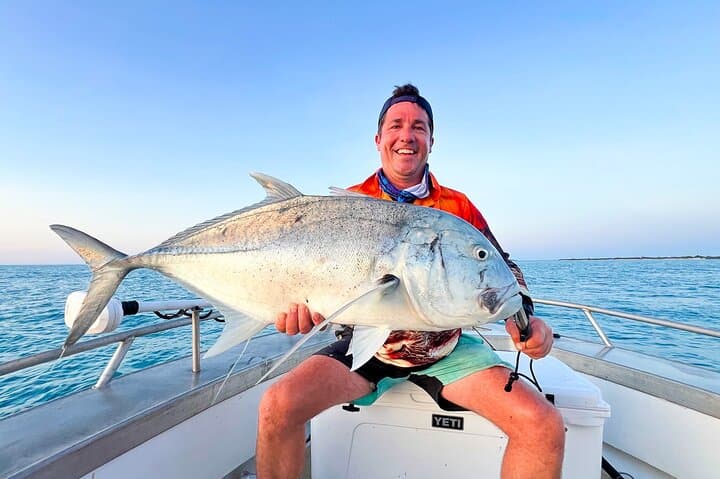
Expect an active day: jigging over bommies for coral trout, trolling for Spanish mackerel, and bottom-bouncing for golden snapper and black jewfish. The crew run lines, bag and fillet your catch, and can switch techniques to match a bite — ideal for anglers who want both instruction and fast action.
Practical edge: it’s a full eight-hour offshore trip with a maximum six guests, so space is generous but conditions are exposed. The dry season (May–October) offers calmer seas; the wet season brings heavier swells and afternoon storms. Pack reef-safe sunscreen, a broad-brim hat, non-slip shoes, and seasickness meds if you’re prone. Bring layered sun protection and a sense of patience — the best bites can come after a quiet stretch.
Operators supply rods, tackle, bait, lunch, bottled water and filleting. Check local bag limits and seasonal closures before you go, and plan for a late-afternoon return if you opt for the catch-and-cook sunset experience.
moderate.
8 hours.
Moderate fitness: able to move on a rocking boat, stand for long periods, and lift fish into the boat.
Check Northern Territory recreational fishing rules before your trip; commercial charters often handle compliance, but bag and size limits still apply to clients.
Common targets include Spanish mackerel, golden snapper, black jewfish, coral trout, tuna and queenfish; availability changes with season and location.
No — most charters cater to beginners and experienced anglers alike; crew provide instruction on techniques like jigging and trolling.
Operators typically cancel or reschedule in unsafe conditions; the posted cancellation policy often requires 24-hour notice for refunds and may refund full price if weather forces cancellation.
Darwin’s coastal waters hold wartime wrecks and a long tradition of commercial and recreational fishing; those wrecks now act as artificial reefs for marine life.
Operators encourage following bag limits, using barbless hooks on release candidates, and choosing reef-safe sunscreen to reduce coral stress.
Cape Adieu Harbour Cruises operates guided outdoor trips and adventures with an emphasis on safety, stewardship, and memorable experiences.
The sun lifts off Darwin’s horizon and the harbor exhales salt and diesel as a six-guest boat slips past Stokes Hill Wharf toward the deep blue of the Timor Sea.
The sun lifts off Darwin’s horizon and the harbor exhales salt and diesel as a six-guest boat slips past Stokes Hill Wharf toward the deep blue of the Timor Sea.
By mid-morning you’ll feel the current change — reefs giving way to bluewater drop-offs, wrecks marking thresholds between shallow and deep. These formations are geological seams: fringing reef, carbonate shelves and abrupt continental fall-offs that gather bait and predators alike. Locally, fishing is part of the Top End’s working culture, shaped by Indigenous coastal knowledge, WWII history of nearby wrecks, and a modern charter scene that chases pelagics and bottom fish in equal measure.
Expect an active day: jigging over bommies for coral trout, trolling for Spanish mackerel, and bottom-bouncing for golden snapper and black jewfish. The crew run lines, bag and fillet your catch, and can switch techniques to match a bite — ideal for anglers who want both instruction and fast action.
Practical edge: it’s a full eight-hour offshore trip with a maximum six guests, so space is generous but conditions are exposed. The dry season (May–October) offers calmer seas; the wet season brings heavier swells and afternoon storms. Pack reef-safe sunscreen, a broad-brim hat, non-slip shoes, and seasickness meds if you’re prone. Bring layered sun protection and a sense of patience — the best bites can come after a quiet stretch.
Operators supply rods, tackle, bait, lunch, bottled water and filleting. Check local bag limits and seasonal closures before you go, and plan for a late-afternoon return if you opt for the catch-and-cook sunset experience.