THE ADVENTURE COLLECTIVE® · Independent discovery and booking for outdoor travel

Escape Osaka’s hustle for a day-long cultural walk that pairs the Daruma-lined calm of Katsuoji Temple with a forest hike to the 33‑metre Minoh Falls. Expect gentle climbs, woodland snacks, and a dose of local lore tied to Shugendō ascetics.
Escape Osaka’s hustle for a day-long cultural walk that pairs the Daruma-lined calm of Katsuoji Temple with a forest hike to the 33‑metre Minoh Falls. Expect gentle climbs, woodland snacks, and a dose of local lore tied to Shugendō ascetics.
You leave Osaka’s train-clatter behind and step onto a shaded trail where mossy stones and cedar trunks steady your pace.
Verified experiences and guided adventures in the surrounding area.
Operated by Snow Monkey Resorts Tours (Machinovate Japan Ltd.) · Minoh, Osaka Prefecture
You leave Osaka’s train-clatter behind and step onto a shaded trail where mossy stones and cedar trunks steady your pace.
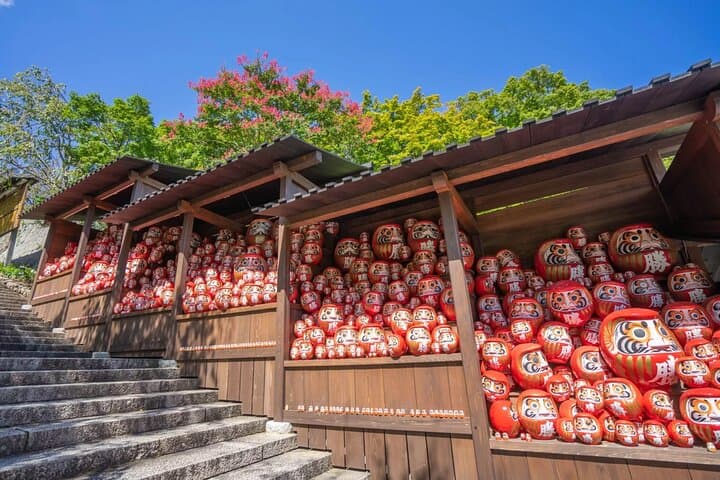
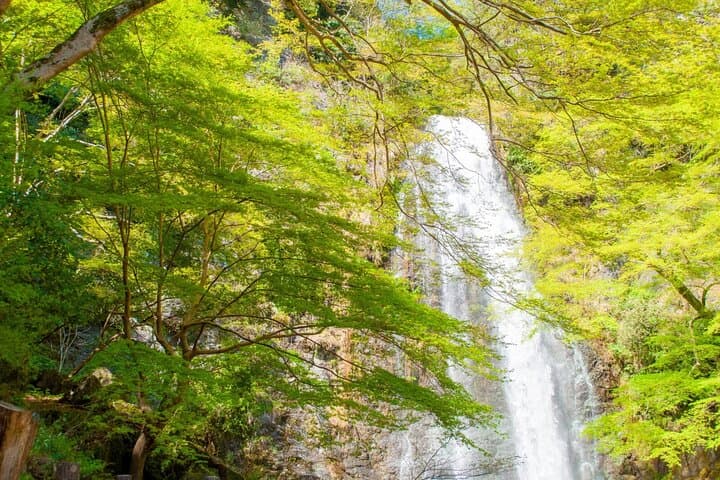
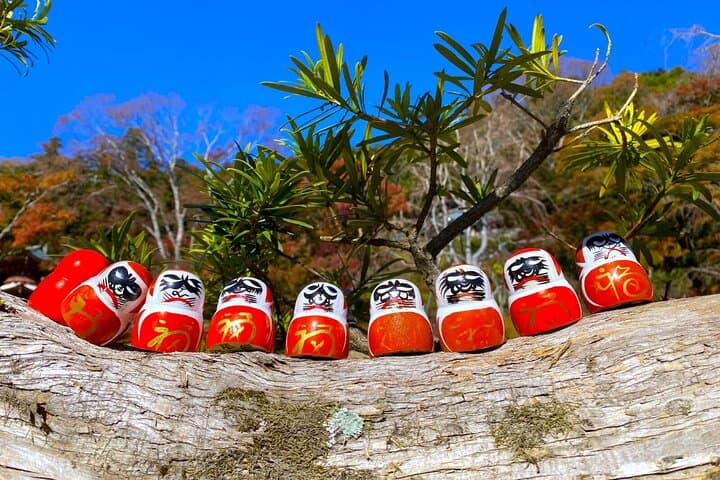
The day begins among the bright, weathered faces of Daruma dolls at Katsuoji Temple — their blank eyes daring you to make a wish before the hike. The route then threads through a cool, close-canopied forest, carrying the scent of damp leaves and wood smoke toward the 33‑metre drop of Minoh Falls. Water gathers momentum, calls attention, and gives you space to breathe.
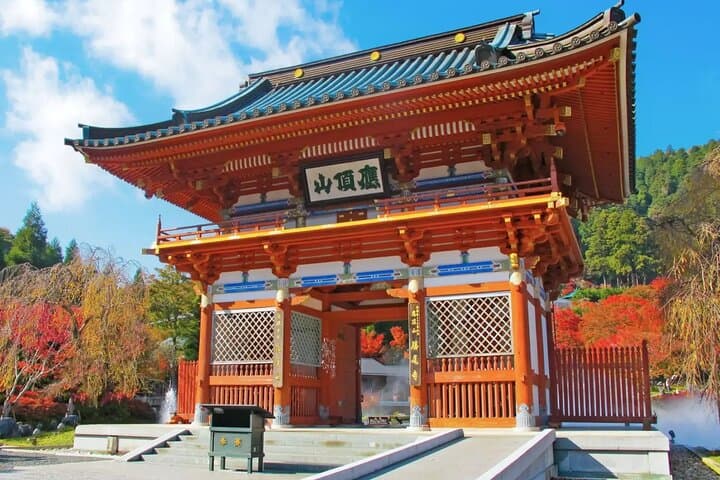
This landscape has layers: Katsuoji’s origins reach back toward the Nara period, while Buddhist and Shugendō ascetics, including En no Gyōja, shaped local ritual and folklore. Geologically the valley is carved from older sedimentary rock and long-fed streams; the trail climbs gently, crosses wooden bridges, and skirts moss-carpeted streams where maple leaves are fried into a local crisp in autumn.
Expect 2–3 km of trail each way with modest elevation gain (roughly 100–150 m of ascent spread over steps and packed-earth paths). Terrain is mostly well-maintained but becomes slippery after rain. Public transit stitches the route to Osaka, making this an accessible full-day blend of culture and nature.
Practical: bring cash for small stalls, wear grippy shoes, layer for variable temperatures, and give wildlife space — macaques are common. The experience is equal parts contemplative temple visit and straightforward forest walk — an easy, richly textured escape from the city.
easy.
6–7 hours.
Suitable for most fitness levels; able to walk several kilometers on uneven ground and ascend modest stairs.
The forest trail is roughly 2–3 km one way with about 100–150 m of gradual ascent; plan 1–1.5 hours each direction at a moderate pace.
Yes—paths are well maintained and the tour is rated easy, but expect stone steps and some uphill sections; bring breaks and appropriate footwear.
Yes—small vendors near the falls sell local snacks like maple leaf tempura, plus a few cafes by the park; carry cash for purchases.
You may spot Japanese macaques and woodland birds; keep distance and do not feed animals to avoid habituation and conflict.
The valley has ties to Shugendō mountain ascetics like En no Gyōja and temples in the area date back toward the Nara period, blending Buddhist practice with local folklore.
Minoh Park is managed to protect riparian and forest habitats—stick to trails, pack out waste, and avoid feeding wildlife to reduce human impact.
Snow Monkey Resorts Tours (Machinovate Japan Ltd.) operates guided outdoor trips and adventures with an emphasis on safety, stewardship, and memorable experiences.
You leave Osaka’s train-clatter behind and step onto a shaded trail where mossy stones and cedar trunks steady your pace.
You leave Osaka’s train-clatter behind and step onto a shaded trail where mossy stones and cedar trunks steady your pace.
The day begins among the bright, weathered faces of Daruma dolls at Katsuoji Temple — their blank eyes daring you to make a wish before the hike. The route then threads through a cool, close-canopied forest, carrying the scent of damp leaves and wood smoke toward the 33‑metre drop of Minoh Falls. Water gathers momentum, calls attention, and gives you space to breathe.
This landscape has layers: Katsuoji’s origins reach back toward the Nara period, while Buddhist and Shugendō ascetics, including En no Gyōja, shaped local ritual and folklore. Geologically the valley is carved from older sedimentary rock and long-fed streams; the trail climbs gently, crosses wooden bridges, and skirts moss-carpeted streams where maple leaves are fried into a local crisp in autumn.
Expect 2–3 km of trail each way with modest elevation gain (roughly 100–150 m of ascent spread over steps and packed-earth paths). Terrain is mostly well-maintained but becomes slippery after rain. Public transit stitches the route to Osaka, making this an accessible full-day blend of culture and nature.
Practical: bring cash for small stalls, wear grippy shoes, layer for variable temperatures, and give wildlife space — macaques are common. The experience is equal parts contemplative temple visit and straightforward forest walk — an easy, richly textured escape from the city.