THE ADVENTURE COLLECTIVE® · Independent discovery and booking for outdoor travel

Walk Bucharest’s shadowed streets on a three-hour small-group tour that moves from ornate graves to revolution sites. Expect eyewitness stories, archival context, and an unvarnished look at the city’s 20th-century upheavals.
Walk Bucharest’s shadowed streets on a three-hour small-group tour that moves from ornate graves to revolution sites. Expect eyewitness stories, archival context, and an unvarnished look at the city’s 20th-century upheavals.
You step off the tram into a square where streetlight pools cut through cold air and the city’s past nudges close — not polite history but the bruised, contested kind. On this three-hour small-group walk you move from ornate graves to wide boulevards where protests and betrayals shaped modern Romania.
Verified experiences and guided adventures in the surrounding area.
Operated by Interesting Times Bureau · Bucharest, Bucharest
You step off the tram into a square where streetlight pools cut through cold air and the city’s past nudges close — not polite history but the bruised, contested kind. On this three-hour small-group walk you move from ornate graves to wide boulevards where protests and betrayals shaped modern Romania.
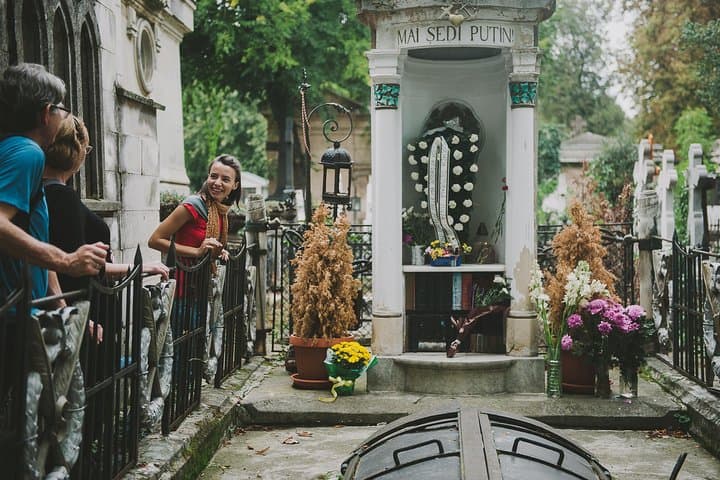
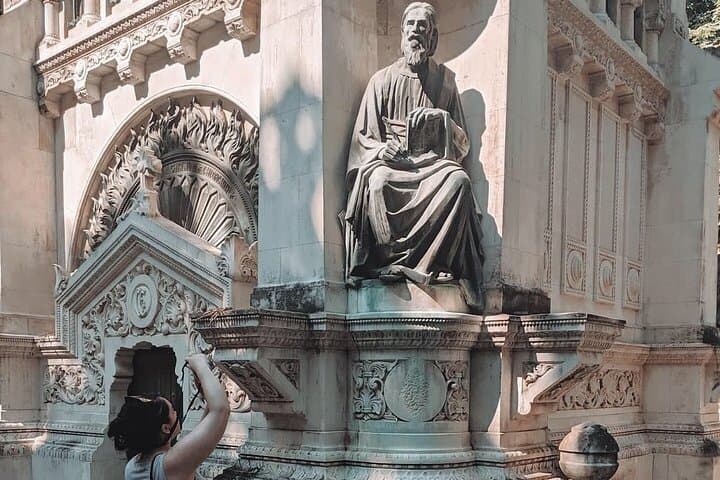
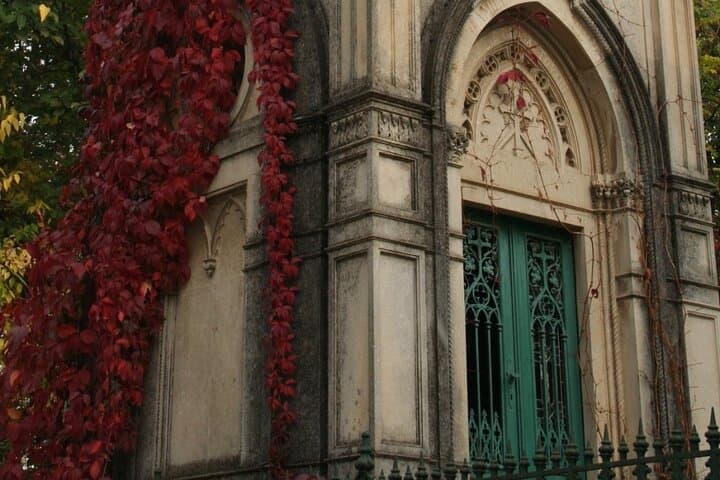
The route threads through Bellu Cemetery’s sculpted tombs, past the site that sparked the 1989 Revolution, and into neighborhoods that kept their interwar secrets through socialism and transition. Geology plays a quiet role here: Bucharest’s flat plain and sandy subsoil made it easy for rapid urban growth — and for underground shelters and improvised sites of resistance during turbulent decades.
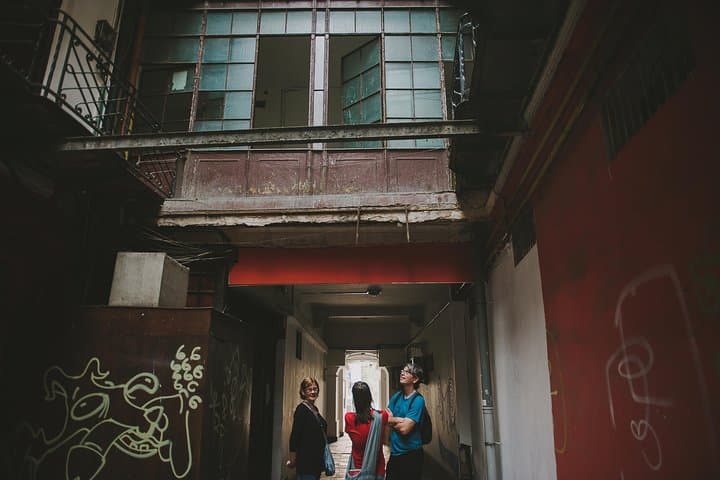
Expect local color as well as hard stories: accounts of Ceausescu’s regime, the miners’ conflicts of the ’90s, and the city’s nightlife history when it flipped from glamour to grit. Guides use archived photos and eyewitness stories, so you get narrative detail beyond guidebook blurbs.
Practical guide: the tour is mostly on paved streets and cemetery paths; bring sturdy walking shoes and dress in layers for cool evenings. There are short standing periods and some stepped paths at Bellu. Public transport connects start and end points; the group size is capped (about a dozen) so questions are welcome. Photography is allowed but be discreet at memorials.
Timing matters — early evening light gives the right mood without making navigation difficult. If you want context afterward, linger at a nearby café to parse what you heard; the city’s history stays with you when you talk it over.
moderate.
3 hours.
Moderate — you should be able to walk for 2–3 hours with short standing periods and negotiate steps or uneven pavement.
Tours are typically conducted in English; check availability for other language options when booking.
Not recommended for children under 15 due to mature themes and emotional content.
The tour includes uneven paths and some steps at Bellu Cemetery; contact the operator in advance to discuss specific needs.
Street snacks and subway transport are listed as inclusions; confirm details at booking for any changes.
Bucharest’s 20th-century arc moved from interwar flamboyance through brutal communist control to a violent 1989 uprising that reshaped national politics.
Bellu Cemetery conservation is ongoing; visitors are asked to stick to paths, avoid touching sculptures, and respect gravesites to minimize wear.
Interesting Times Bureau operates guided outdoor trips and adventures with an emphasis on safety, stewardship, and memorable experiences.
You step off the tram into a square where streetlight pools cut through cold air and the city’s past nudges close — not polite history but the bruised, contested kind. On this three-hour small-group walk you move from ornate graves to wide boulevards where protests and betrayals shaped modern Romania.
You step off the tram into a square where streetlight pools cut through cold air and the city’s past nudges close — not polite history but the bruised, contested kind. On this three-hour small-group walk you move from ornate graves to wide boulevards where protests and betrayals shaped modern Romania.
The route threads through Bellu Cemetery’s sculpted tombs, past the site that sparked the 1989 Revolution, and into neighborhoods that kept their interwar secrets through socialism and transition. Geology plays a quiet role here: Bucharest’s flat plain and sandy subsoil made it easy for rapid urban growth — and for underground shelters and improvised sites of resistance during turbulent decades.
Expect local color as well as hard stories: accounts of Ceausescu’s regime, the miners’ conflicts of the ’90s, and the city’s nightlife history when it flipped from glamour to grit. Guides use archived photos and eyewitness stories, so you get narrative detail beyond guidebook blurbs.
Practical guide: the tour is mostly on paved streets and cemetery paths; bring sturdy walking shoes and dress in layers for cool evenings. There are short standing periods and some stepped paths at Bellu. Public transport connects start and end points; the group size is capped (about a dozen) so questions are welcome. Photography is allowed but be discreet at memorials.
Timing matters — early evening light gives the right mood without making navigation difficult. If you want context afterward, linger at a nearby café to parse what you heard; the city’s history stays with you when you talk it over.