THE ADVENTURE COLLECTIVE® · Independent discovery and booking for outdoor travel

Walk through London’s bleak and fascinating chapters — from plague pumps to dockside executions. This two-hour walking tour ties Roman relics, Great Fire survivors, and grisly folklore into a compact urban exploration.
Walk through London’s bleak and fascinating chapters — from plague pumps to dockside executions. This two-hour walking tour ties Roman relics, Great Fire survivors, and grisly folklore into a compact urban exploration.
The tour begins in a narrow cobbled courtyard where damp stone seems to remember footsteps and a bell once tolled for the condemned.
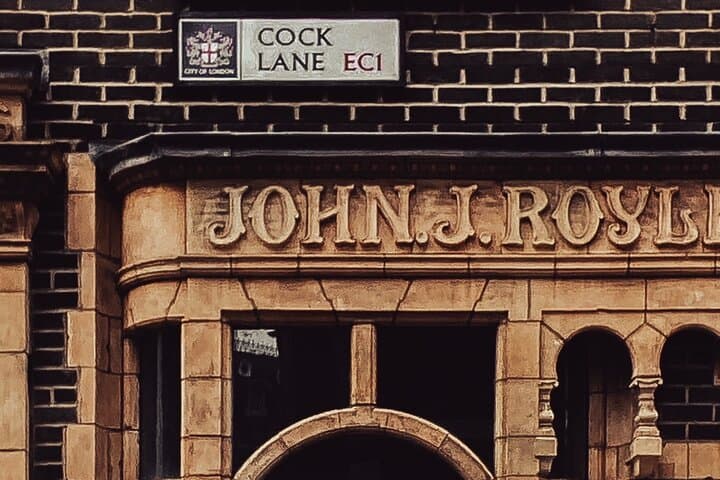
You move through lanes whose names tell darker stories — Cock Lane where brothels once operated, a churchyard still marked by an execution bell, and alleys that hide terracotta devils and tiny memorials to the city's lost. The guide's voice threads fact and folklore as you pass the oldest house to survive the Great Fire and the grim docks where maritime executions took place for centuries.
Verified experiences and guided adventures in the surrounding area.
Operated by Pigeon Tours · London, Greater London
The tour begins in a narrow cobbled courtyard where damp stone seems to remember footsteps and a bell once tolled for the condemned.
You move through lanes whose names tell darker stories — Cock Lane where brothels once operated, a churchyard still marked by an execution bell, and alleys that hide terracotta devils and tiny memorials to the city's lost. The guide's voice threads fact and folklore as you pass the oldest house to survive the Great Fire and the grim docks where maritime executions took place for centuries.
This route stitches together layers of London history: Roman cult traces beneath modern pavement, the 1665 plague that reshaped public health, and the 1666 Fire that rewrote building codes. Architectural fragments — wren-style churches, brickwork scars, and Victorian memorials — make the past legible on the streets. Cultural notes surface in pub names and small carvings: a mouse statue that marks a tragic tale, terracotta figures that jab at civic anger. Geology is unobtrusive but present — Thames silt, reclaimed marshland and cobbles that hold centuries of runoff.
Practical guidance: the tour lasts roughly two hours, mostly on paved streets and uneven cobbles; expect frequent stops and some brief stair or kerb navigation. Wear sturdy walking shoes, bring a weatherproof layer and a small bottle of water. The pace is steady but accessible; the route is largely on public pavements and is wheelchair-accessible in parts, though cobbles can be bumpy. Evening slots add atmosphere but bring a jacket and sensible footwear. Listen for dates and names — they’re the hooks that turn grim scenes into memorable history.
moderate.
2 hours.
Light to moderate fitness: expect standing, walking up to 2 miles on mixed paving and cobbles with short pauses.
Parts of the route are wheelchair-accessible, but some cobbled sections and narrow lanes may be bumpy; contact the operator in advance to confirm accessibility options.
Start location is in the City of London (see booking confirmation for exact cobbled courtyard meeting point); the tour finishes near the historic docks referenced in the last stop.
The material covers executions, plague and grim history; older children who can handle graphic historical topics are fine, but the storylines can be intense for younger kids.
This is a walking, commentary-based tour — indoor admissions are not included; stops focus on exterior sites, plaques and public spaces.
The tour links events from Roman religious traces through the 17th-century plague and Great Fire to centuries of dockside law and punishment.
Many stops are fragile historic fabric; avoid touching or climbing monuments, keep to pavements, and support local heritage by following guide instructions and leaving no trace.
Pigeon Tours operates guided outdoor trips and adventures with an emphasis on safety, stewardship, and memorable experiences.
The tour begins in a narrow cobbled courtyard where damp stone seems to remember footsteps and a bell once tolled for the condemned.
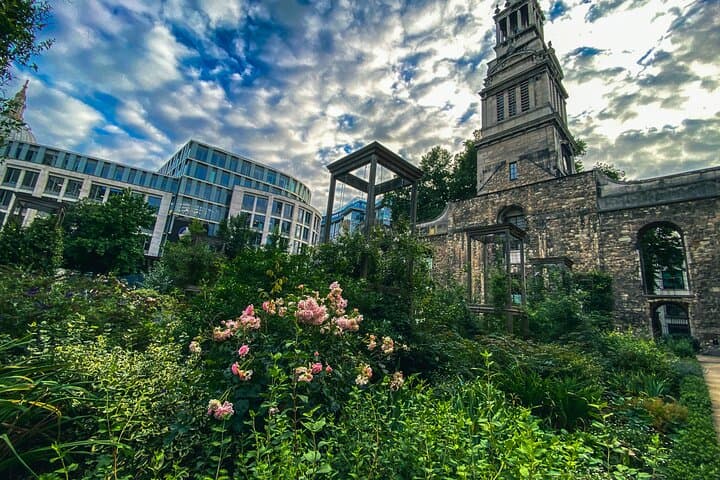
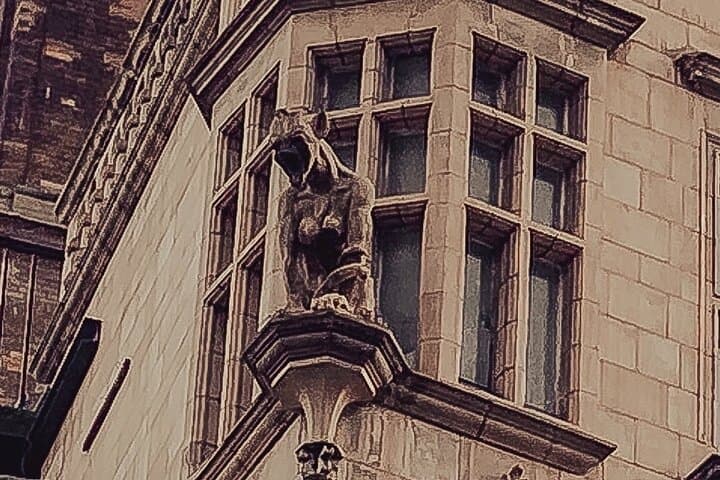
You move through lanes whose names tell darker stories — Cock Lane where brothels once operated, a churchyard still marked by an execution bell, and alleys that hide terracotta devils and tiny memorials to the city's lost. The guide's voice threads fact and folklore as you pass the oldest house to survive the Great Fire and the grim docks where maritime executions took place for centuries.
The tour begins in a narrow cobbled courtyard where damp stone seems to remember footsteps and a bell once tolled for the condemned.
You move through lanes whose names tell darker stories — Cock Lane where brothels once operated, a churchyard still marked by an execution bell, and alleys that hide terracotta devils and tiny memorials to the city's lost. The guide's voice threads fact and folklore as you pass the oldest house to survive the Great Fire and the grim docks where maritime executions took place for centuries.
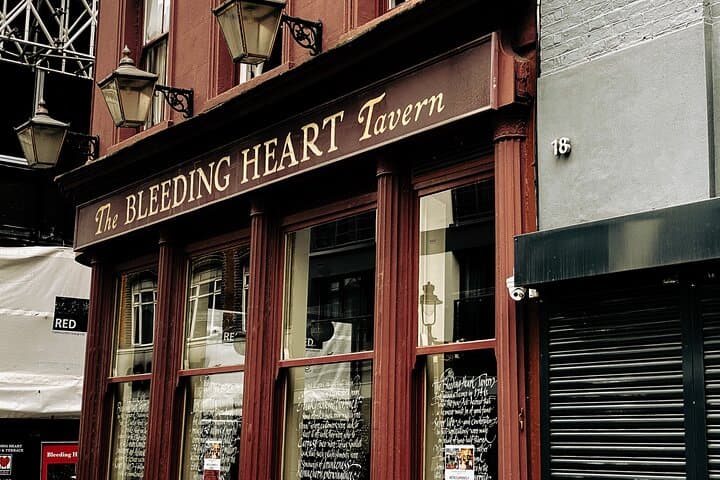
This route stitches together layers of London history: Roman cult traces beneath modern pavement, the 1665 plague that reshaped public health, and the 1666 Fire that rewrote building codes. Architectural fragments — wren-style churches, brickwork scars, and Victorian memorials — make the past legible on the streets. Cultural notes surface in pub names and small carvings: a mouse statue that marks a tragic tale, terracotta figures that jab at civic anger. Geology is unobtrusive but present — Thames silt, reclaimed marshland and cobbles that hold centuries of runoff.
Practical guidance: the tour lasts roughly two hours, mostly on paved streets and uneven cobbles; expect frequent stops and some brief stair or kerb navigation. Wear sturdy walking shoes, bring a weatherproof layer and a small bottle of water. The pace is steady but accessible; the route is largely on public pavements and is wheelchair-accessible in parts, though cobbles can be bumpy. Evening slots add atmosphere but bring a jacket and sensible footwear. Listen for dates and names — they’re the hooks that turn grim scenes into memorable history.