THE ADVENTURE COLLECTIVE® · Independent discovery and booking for outdoor travel

Explore Rome’s shadowed backstreets after peak hours and gain rare entry to a closed crypt decorated with human bones. This two-hour small-group walk mixes documented history, local lore, and close-up access few tours offer.
Explore Rome’s shadowed backstreets after peak hours and gain rare entry to a closed crypt decorated with human bones. This two-hour small-group walk mixes documented history, local lore, and close-up access few tours offer.
You meet the guide at the edge of Piazza Trilussa as evening folds over the Tiber. Streetlights pick out cobbles; the narrow alleys lean closer like listeners. The group slips into the quieter heart of Rome, where stone facades still keep score of old verdicts and the past moves in low voices.
Verified experiences and guided adventures in the surrounding area.
Operated by Live Virtual Guide · Rome, Lazio
You meet the guide at the edge of Piazza Trilussa as evening folds over the Tiber. Streetlights pick out cobbles; the narrow alleys lean closer like listeners. The group slips into the quieter heart of Rome, where stone facades still keep score of old verdicts and the past moves in low voices.
This walking tour threads through the medieval lanes and baroque squares that hosted public executions, papal scandals, and the confraternities that tended the city’s dead. Confraternities—lay brotherhoods with sometimes secret rites—played a practical role in burial and funeral care for centuries, a civic response to overcrowded cemeteries and epidemic death.
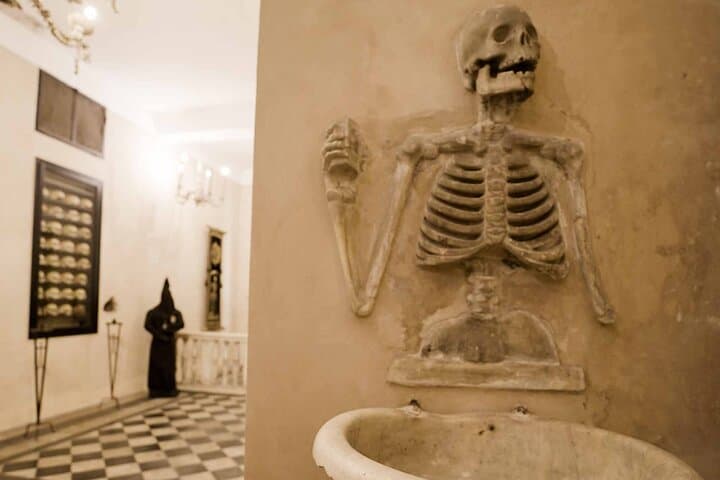
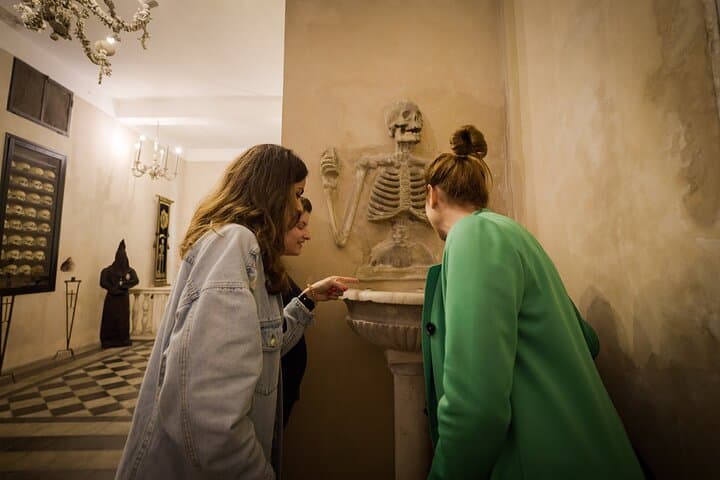
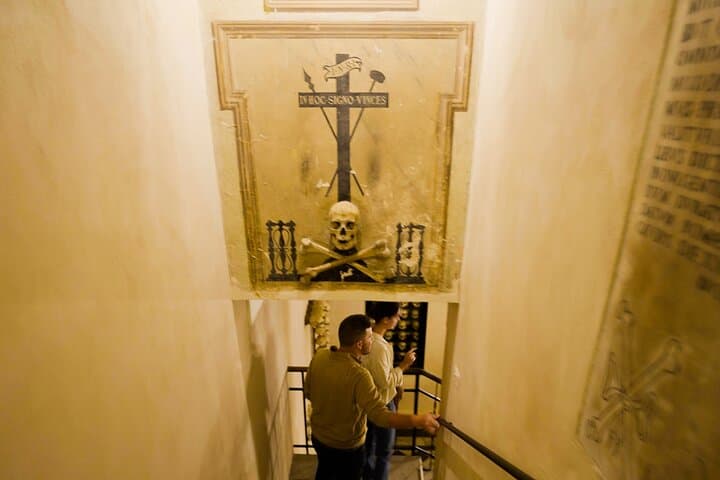
The highlight is exclusive access to a church crypt long closed to the public: carved names on skulls, bone chandeliers, and compact chapels that record attitudes toward mortality. Expect close quarters, dim light, and guided interpretation that separates legend from archival fact.
Practically: the tour is two hours, small-group (max 12), mostly on foot over uneven cobbles and a few steps. Dress in closed shoes and a light layer; evenings can be cool. Photography inside crypts may be restricted—follow the guide. The experience is atmospheric rather than theatrical: you’ll hear documented histories alongside local lore, not staged scares.
Arrive 10 minutes early at the Trilussa monument, bring a charged phone and respect rules about touching human remains. If you’re curious about Rome’s municipal responses to death, the role of religious confraternities, and the city’s layered criminal and ecclesiastical past, this concentrated, practical tour gives access to interiors most visitors never see.
easy.
2 hours.
Suitable for most fitness levels; requires standing and walking on uneven cobbles and short staircases
Yes — many European crypts with bone decorations use human skeletal remains historically exhumed and curated; guides will explain provenance and legal/ethical context.
It can be unsettling for young children and includes narrow, dim spaces; discretion is advised for families with small kids.
Photography rules vary by site and by the confraternity; expect restrictions and always follow your guide’s instructions.
Most crypts and backstreets involve steps and uneven surfaces, so accessibility is limited; contact the operator in advance for specifics.
Lay confraternities in Rome historically handled burial rites and charitable care for the dead, sometimes maintaining private chapels and ossuaries.
Access to human remains is tightly controlled; respect site rules, avoid touching bones, and support operators that emphasize preservation and ethical interpretation.
Live Virtual Guide operates guided outdoor trips and adventures with an emphasis on safety, stewardship, and memorable experiences.
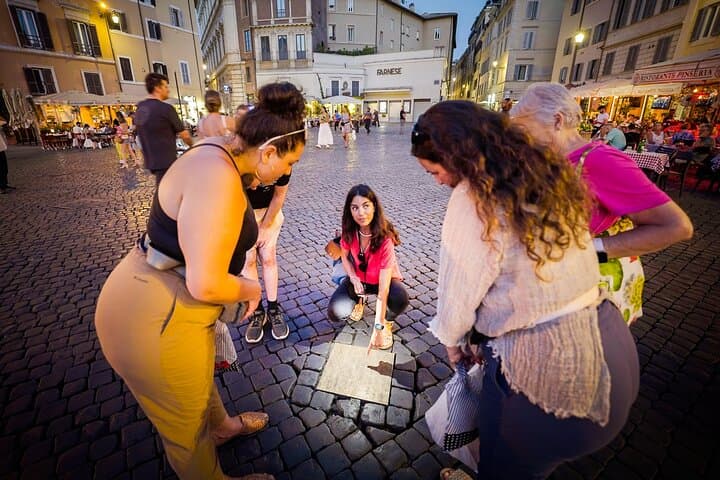
You meet the guide at the edge of Piazza Trilussa as evening folds over the Tiber. Streetlights pick out cobbles; the narrow alleys lean closer like listeners. The group slips into the quieter heart of Rome, where stone facades still keep score of old verdicts and the past moves in low voices.
You meet the guide at the edge of Piazza Trilussa as evening folds over the Tiber. Streetlights pick out cobbles; the narrow alleys lean closer like listeners. The group slips into the quieter heart of Rome, where stone facades still keep score of old verdicts and the past moves in low voices.
This walking tour threads through the medieval lanes and baroque squares that hosted public executions, papal scandals, and the confraternities that tended the city’s dead. Confraternities—lay brotherhoods with sometimes secret rites—played a practical role in burial and funeral care for centuries, a civic response to overcrowded cemeteries and epidemic death.
The highlight is exclusive access to a church crypt long closed to the public: carved names on skulls, bone chandeliers, and compact chapels that record attitudes toward mortality. Expect close quarters, dim light, and guided interpretation that separates legend from archival fact.
Practically: the tour is two hours, small-group (max 12), mostly on foot over uneven cobbles and a few steps. Dress in closed shoes and a light layer; evenings can be cool. Photography inside crypts may be restricted—follow the guide. The experience is atmospheric rather than theatrical: you’ll hear documented histories alongside local lore, not staged scares.
Arrive 10 minutes early at the Trilussa monument, bring a charged phone and respect rules about touching human remains. If you’re curious about Rome’s municipal responses to death, the role of religious confraternities, and the city’s layered criminal and ecclesiastical past, this concentrated, practical tour gives access to interiors most visitors never see.