THE ADVENTURE COLLECTIVE® · Independent discovery and booking for outdoor travel

Walk the French Quarter with guides who lived through the city’s biggest disasters and know its most unsettling stories. This two-hour Dark History Tour blends true crime, colonial records, and neighborhood memory to explain how New Orleans became who it is.
Walk the French Quarter with guides who lived through the city’s biggest disasters and know its most unsettling stories. This two-hour Dark History Tour blends true crime, colonial records, and neighborhood memory to explain how New Orleans became who it is.
The streetlights along Jackson Square tilt on as the sun slides behind the Mississippi, casting long shadows across the iron fence of St. Louis Cathedral. You step into a city that keeps its past on full display: cracked brick, iron balconies, and alleys that seem to remember every footstep. The Dark History Tour begins here, with a small sign pinned to the cathedral fence and a guide whose voice makes the pavement feel alive with memory.
Verified experiences and guided adventures in the surrounding area.
Operated by Jonathan Weiss Tours · New Orleans, Louisiana
The streetlights along Jackson Square tilt on as the sun slides behind the Mississippi, casting long shadows across the iron fence of St. Louis Cathedral. You step into a city that keeps its past on full display: cracked brick, iron balconies, and alleys that seem to remember every footstep. The Dark History Tour begins here, with a small sign pinned to the cathedral fence and a guide whose voice makes the pavement feel alive with memory.
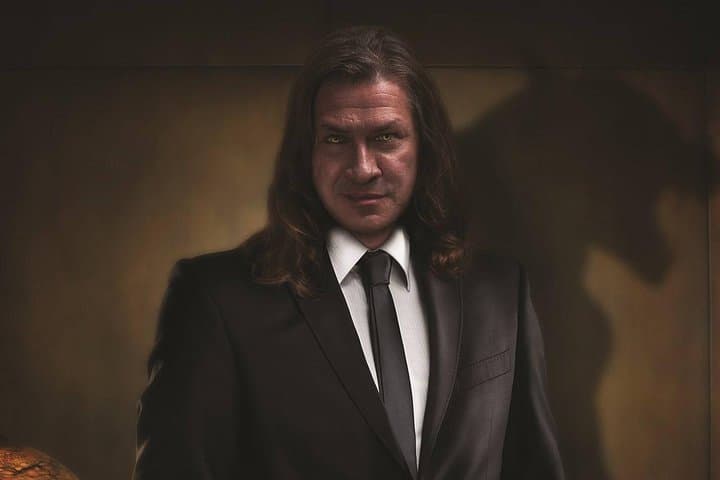
This is not a ghost-story hour of cheap frights. The walk threads the oldest corners of the French Quarter, where French, Spanish, African and American histories braided together into the city’s particular character — and its cruelties. Guides for this tour are notable: licensed pre-Katrina, residents for decades, people who carry neighborhood stories that predate the modern tourist map. They pivot between the personal and archival, moving from the oldest cathedral in the United States to the narrow lane outside a notorious 19th-century house where rumors of torture and tragedy still cling to the shutters.
Geology and environment appear as civic backstory here. The Quarter sits on the natural levee of the Mississippi — higher ground in a landscape of marsh and bayou — which shaped where the city grew and how disasters, from yellow fever to Hurricane Katrina, slammed it. Those events are part of the narrative: fires, epidemics, and floods that redirected families, fortunes, and the physical city itself.
Culturally the tour reaches into Creole and Voodoo traditions, the commerce of the port, and the legal and illegal industries that fueled New Orleans’ growth. You’ll hear about murders unsolved, disasters that changed municipal policy, and neighborhood rhythms that persisted even when authorities tried to erase uncomfortable truths.
Practical side: the tour runs about two hours on paved streets, with several short stops at historic sites like the Cathedral, an old tavern, and a surviving French-period residence. It’s accessible to most fitness levels and wheelchair friendly, but expect up to 90 minutes of standing and walking in often dim, uneven light. Guides encourage questions; photographs are welcome but be mindful of private residences and mournful sites.
Timing matters: early evening or dusk deepens the atmosphere, but daytime tours are available for those who prefer clearer visibility. Wear comfortable shoes, bring water, and plan to tip guides who share both local lore and hard-won civic memory. If you want a tour that confronts the city’s darker chapters with honesty and local voices, this walk offers both the stories and the context to understand why New Orleans looks and feels the way it does today.
easy.
2 hours.
Suitable for most fitness levels—expect moderate walking on flat, paved surfaces and some standing.
The tour lasts approximately two hours and covers several short stops in the French Quarter.
Yes—it's wheelchair and stroller accessible, but contact the operator ahead if you need special accommodations.
Guides are certified English-speaking; check with the operator for other language options.
Both: the focus is on dark history—real crimes, disasters, and legends—presented by guides with local knowledge rather than theatrical scares.
Full refund if you cancel at least 24 hours before departure; no refund within 24 hours of the tour.
Yes—tipping is customary for walking tours; 10–20% is a common guideline depending on the experience.
The French Quarter is the oldest neighborhood in New Orleans, shaped by French and Spanish colonial rule, the transatlantic slave trade, and the port economy that made the city a cultural crossroads.
The Quarter’s historic fabric is fragile—visitors are asked to stay on public paths, avoid climbing on structures, and support local preservation by respecting neighborhoods and businesses.
Jonathan Weiss Tours operates guided outdoor trips and adventures with an emphasis on safety, stewardship, and memorable experiences.
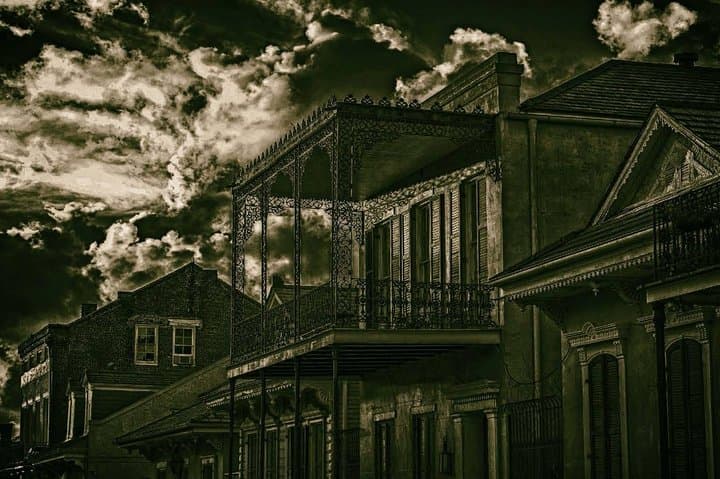
The streetlights along Jackson Square tilt on as the sun slides behind the Mississippi, casting long shadows across the iron fence of St. Louis Cathedral. You step into a city that keeps its past on full display: cracked brick, iron balconies, and alleys that seem to remember every footstep. The Dark History Tour begins here, with a small sign pinned to the cathedral fence and a guide whose voice makes the pavement feel alive with memory.
The streetlights along Jackson Square tilt on as the sun slides behind the Mississippi, casting long shadows across the iron fence of St. Louis Cathedral. You step into a city that keeps its past on full display: cracked brick, iron balconies, and alleys that seem to remember every footstep. The Dark History Tour begins here, with a small sign pinned to the cathedral fence and a guide whose voice makes the pavement feel alive with memory.
This is not a ghost-story hour of cheap frights. The walk threads the oldest corners of the French Quarter, where French, Spanish, African and American histories braided together into the city’s particular character — and its cruelties. Guides for this tour are notable: licensed pre-Katrina, residents for decades, people who carry neighborhood stories that predate the modern tourist map. They pivot between the personal and archival, moving from the oldest cathedral in the United States to the narrow lane outside a notorious 19th-century house where rumors of torture and tragedy still cling to the shutters.
Geology and environment appear as civic backstory here. The Quarter sits on the natural levee of the Mississippi — higher ground in a landscape of marsh and bayou — which shaped where the city grew and how disasters, from yellow fever to Hurricane Katrina, slammed it. Those events are part of the narrative: fires, epidemics, and floods that redirected families, fortunes, and the physical city itself.
Culturally the tour reaches into Creole and Voodoo traditions, the commerce of the port, and the legal and illegal industries that fueled New Orleans’ growth. You’ll hear about murders unsolved, disasters that changed municipal policy, and neighborhood rhythms that persisted even when authorities tried to erase uncomfortable truths.
Practical side: the tour runs about two hours on paved streets, with several short stops at historic sites like the Cathedral, an old tavern, and a surviving French-period residence. It’s accessible to most fitness levels and wheelchair friendly, but expect up to 90 minutes of standing and walking in often dim, uneven light. Guides encourage questions; photographs are welcome but be mindful of private residences and mournful sites.
Timing matters: early evening or dusk deepens the atmosphere, but daytime tours are available for those who prefer clearer visibility. Wear comfortable shoes, bring water, and plan to tip guides who share both local lore and hard-won civic memory. If you want a tour that confronts the city’s darker chapters with honesty and local voices, this walk offers both the stories and the context to understand why New Orleans looks and feels the way it does today.