THE ADVENTURE COLLECTIVE® · Independent discovery and booking for outdoor travel

Explore Durham’s castle, cathedral and old prison on a 90‑minute walking tour that traces executions, escapes and saintly legends. This guided route combines documented history with the city’s darker oral tales.
Explore Durham’s castle, cathedral and old prison on a 90‑minute walking tour that traces executions, escapes and saintly legends. This guided route combines documented history with the city’s darker oral tales.
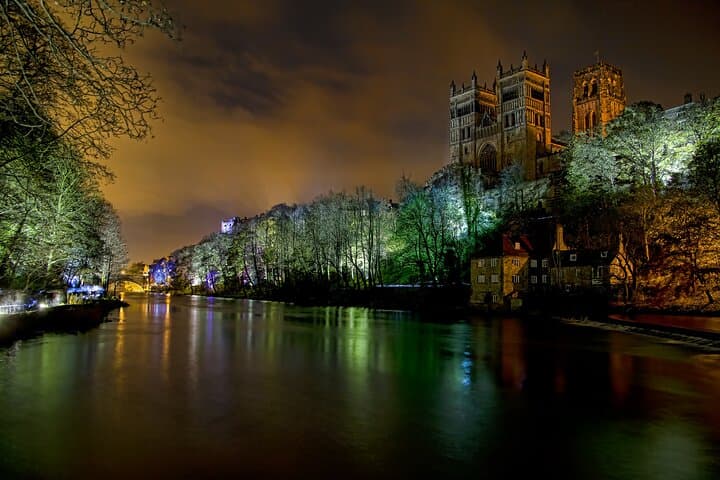
A low sun slides between the cathedral’s buttresses as your guide counts out the city’s darker ledger — executions, escapes, and miracles recorded in stone and memory.
Verified experiences and guided adventures in the surrounding area.
Operated by Walkabout Durham · Durham, County Durham
A low sun slides between the cathedral’s buttresses as your guide counts out the city’s darker ledger — executions, escapes, and miracles recorded in stone and memory.
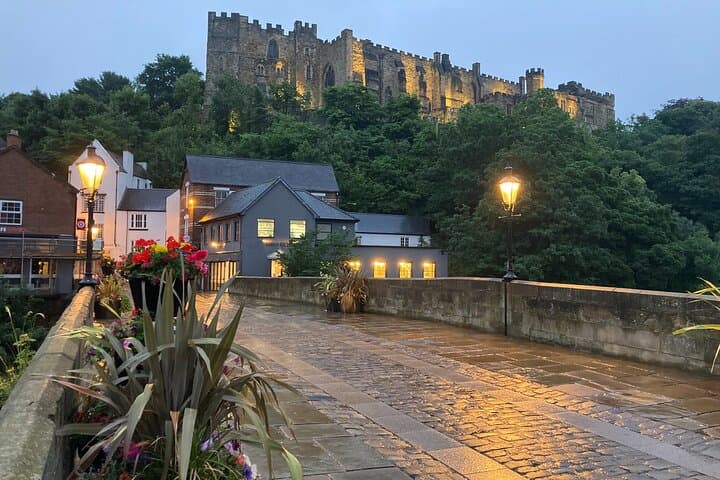
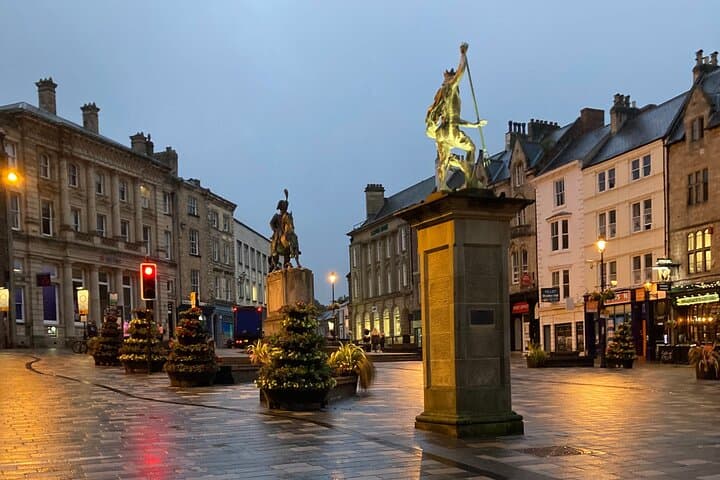
You walk narrow lanes where medieval prisons once shadowed traders, cross Elvet Bridge and pause beneath the silhouette of the Norman castle. The River Wear pulls a cool breath through the gorge, and the lights of city pubs hide stories of 18th- and 19th-century hangings and coal‑town violence that shaped Durham’s social history.
Durham grew around its cathedral and castle after the Normans fortified the peninsula in the 11th century; the pair now form a UNESCO World Heritage site. The geology — sandstone and limestone cut by the river — created defensible cliffs that dictated the town’s compact street plan and the placement of prisons and burial grounds. Local culture still mixes student energy and ancient ecclesiastical formality, and you’ll hear about the Prince Bishops who governed both spiritual and secular life.
Practically: this is a 90‑minute walking tour on cobbles and urban pathways, suitable for most fitness levels. Expect steady walking, short stops at viewpoints and pubs, and storytelling that blends recorded fact with well-known local legend. Bring weatherproof layers, a charged phone for photos, and comfortable shoes; the route is accessible by public transport and best scheduled before dusk for the full atmosphere. Take time afterward for a pint in an old pub to compare notes — the city rewards slow, curious exploration.
easy.
1.5 hours.
Suitable for most fitness levels; requires standing and walking on uneven cobbles for 90 minutes.
The tour lasts about 90 minutes and covers a short urban loop across cobbled streets and bridges — plan for roughly 1–2 miles of walking with frequent pauses.
The route is family‑friendly but involves uneven surfaces and some steps; contact the operator about accessibility needs before booking.
The guide mixes documented history — prisons, executions, and recorded events — with well‑known local legends; guides will clarify which are archival facts and which are traditional tales.
Tours may be cancelled for severe weather; the operator’s policy allows full refunds if cancelled at least 24 hours prior or by the provider for unsafe conditions.
Durham’s cathedral and castle were established in the 11th century by the Normans; their dominance shaped civic, religious and penal institutions for centuries.
The UNESCO site is sensitive to foot traffic—stick to designated paths, avoid climbing walls, and support local conservation initiatives and small businesses.
Walkabout Durham operates guided outdoor trips and adventures with an emphasis on safety, stewardship, and memorable experiences.
A low sun slides between the cathedral’s buttresses as your guide counts out the city’s darker ledger — executions, escapes, and miracles recorded in stone and memory.
A low sun slides between the cathedral’s buttresses as your guide counts out the city’s darker ledger — executions, escapes, and miracles recorded in stone and memory.
You walk narrow lanes where medieval prisons once shadowed traders, cross Elvet Bridge and pause beneath the silhouette of the Norman castle. The River Wear pulls a cool breath through the gorge, and the lights of city pubs hide stories of 18th- and 19th-century hangings and coal‑town violence that shaped Durham’s social history.
Durham grew around its cathedral and castle after the Normans fortified the peninsula in the 11th century; the pair now form a UNESCO World Heritage site. The geology — sandstone and limestone cut by the river — created defensible cliffs that dictated the town’s compact street plan and the placement of prisons and burial grounds. Local culture still mixes student energy and ancient ecclesiastical formality, and you’ll hear about the Prince Bishops who governed both spiritual and secular life.
Practically: this is a 90‑minute walking tour on cobbles and urban pathways, suitable for most fitness levels. Expect steady walking, short stops at viewpoints and pubs, and storytelling that blends recorded fact with well-known local legend. Bring weatherproof layers, a charged phone for photos, and comfortable shoes; the route is accessible by public transport and best scheduled before dusk for the full atmosphere. Take time afterward for a pint in an old pub to compare notes — the city rewards slow, curious exploration.