THE ADVENTURE COLLECTIVE® · Independent discovery and booking for outdoor travel

Swap twinkling storefronts for the city’s winter shadows. This 90-minute walking tour in Lower Manhattan traces colonial faith, street unrest, and literary invention that shaped modern Christmas traditions.
Swap twinkling storefronts for the city’s winter shadows. This 90-minute walking tour in Lower Manhattan traces colonial faith, street unrest, and literary invention that shaped modern Christmas traditions.
The sidewalks of Lower Manhattan narrow as the city presses you forward — brick, granite, and glass catching the last light of a short winter day. On the Dark Christmas Tour, guides move a small group through alleys and churchyards, shifting attention from storefront garlands to the unrest and debate that shaped the holiday: colonial sermons, street riots, and the literary inventions that remade public ritual.
Verified experiences and guided adventures in the surrounding area.
The sidewalks of Lower Manhattan narrow as the city presses you forward — brick, granite, and glass catching the last light of a short winter day. On the Dark Christmas Tour, guides move a small group through alleys and churchyards, shifting attention from storefront garlands to the unrest and debate that shaped the holiday: colonial sermons, street riots, and the literary inventions that remade public ritual.
The walk threads through neighborhoods where Dutch and British religious practice intersected with market life, and where 18th- and 19th-century civic conflict left marks on public space. Geologically, you stand on landfill and glacial deposits at the edge of the harbor; the tide and port trade once dictated how—and where—people gathered in winter. Architecture alternates Federal brick, cast-iron facades, and post-industrial conversions, each facade a practical record of commerce, migration, and seasonal custom.
Cultural highlights include stories about how charity drives, commercial interests, and immigrant traditions collided to produce the modern holiday calendar. Local insights point to quiet churchyards and overlooked plaques that anchor the louder histories. Expect roughly 1.5–2 miles of mostly paved walking with intermittent steps and standing stops; the tour runs about 90 minutes.
Practical guidance: wear grippy shoes and warm outer layers in cold months, carry a transit card or contactless pay for short subway hops, and allow extra time for evening crowds. Photography is welcome but be discreet near active worship sites. The tour reframes festive streetscapes—if you want the lights, come for the backstory.
moderate.
90 minutes.
Suitable for people comfortable with 1.5–2 miles of walking and standing; minimal elevation change.
The tour lasts about 90 minutes and covers roughly 1.5–2 miles on mostly paved streets with occasional steps.
Yes, if participants can walk for 90 minutes with short standing stops; contact the operator about mobility accommodations if needed.
Most stops are outdoors or at public doorways; entry to active worship sites is respectful and limited—check with the guide on the day for specifics.
Tours commonly run rain or shine; guides will advise on cancellations or rescheduling policies if severe weather is expected.
Lower Manhattan’s public rituals around winter were shaped by colonial religious practice, street protests, and 19th-century commercial expansion—events that helped turn private observance into public celebration.
Stick to sidewalks, avoid trampling green spaces, and follow guides’ instructions—sustainable urban tourism minimizes disruption to residents and preserves historic sites.
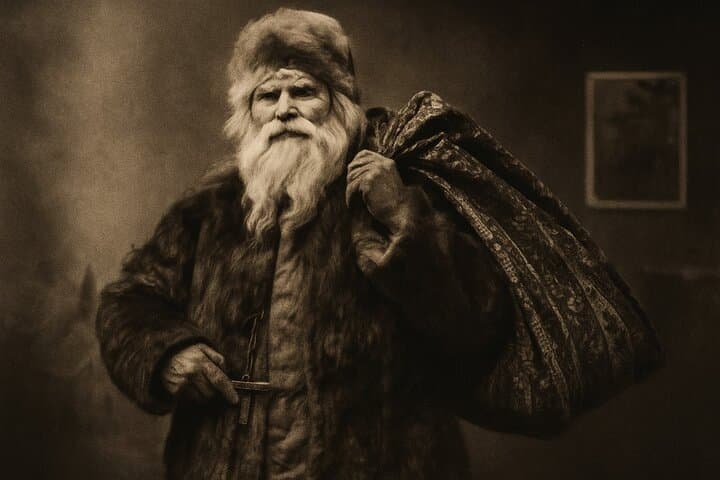
The sidewalks of Lower Manhattan narrow as the city presses you forward — brick, granite, and glass catching the last light of a short winter day. On the Dark Christmas Tour, guides move a small group through alleys and churchyards, shifting attention from storefront garlands to the unrest and debate that shaped the holiday: colonial sermons, street riots, and the literary inventions that remade public ritual.
The sidewalks of Lower Manhattan narrow as the city presses you forward — brick, granite, and glass catching the last light of a short winter day. On the Dark Christmas Tour, guides move a small group through alleys and churchyards, shifting attention from storefront garlands to the unrest and debate that shaped the holiday: colonial sermons, street riots, and the literary inventions that remade public ritual.
The walk threads through neighborhoods where Dutch and British religious practice intersected with market life, and where 18th- and 19th-century civic conflict left marks on public space. Geologically, you stand on landfill and glacial deposits at the edge of the harbor; the tide and port trade once dictated how—and where—people gathered in winter. Architecture alternates Federal brick, cast-iron facades, and post-industrial conversions, each facade a practical record of commerce, migration, and seasonal custom.
Cultural highlights include stories about how charity drives, commercial interests, and immigrant traditions collided to produce the modern holiday calendar. Local insights point to quiet churchyards and overlooked plaques that anchor the louder histories. Expect roughly 1.5–2 miles of mostly paved walking with intermittent steps and standing stops; the tour runs about 90 minutes.
Practical guidance: wear grippy shoes and warm outer layers in cold months, carry a transit card or contactless pay for short subway hops, and allow extra time for evening crowds. Photography is welcome but be discreet near active worship sites. The tour reframes festive streetscapes—if you want the lights, come for the backstory.