THE ADVENTURE COLLECTIVE® · Independent discovery and booking for outdoor travel

Watch Kanchenjunga rise from Tiger Hill, ride past terraced tea gardens, and feel the toy train’s whistle during a private full‑day circuit of Darjeeling. This practical, flexible tour mixes short walks, viewpoints, cultural stops and private transport for a compact introduction to the hill town.
Watch Kanchenjunga rise from Tiger Hill, ride past terraced tea gardens, and feel the toy train’s whistle during a private full‑day circuit of Darjeeling. This practical, flexible tour mixes short walks, viewpoints, cultural stops and private transport for a compact introduction to the hill town.
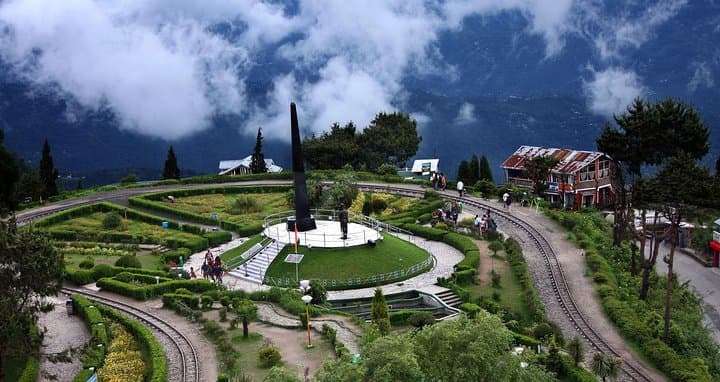
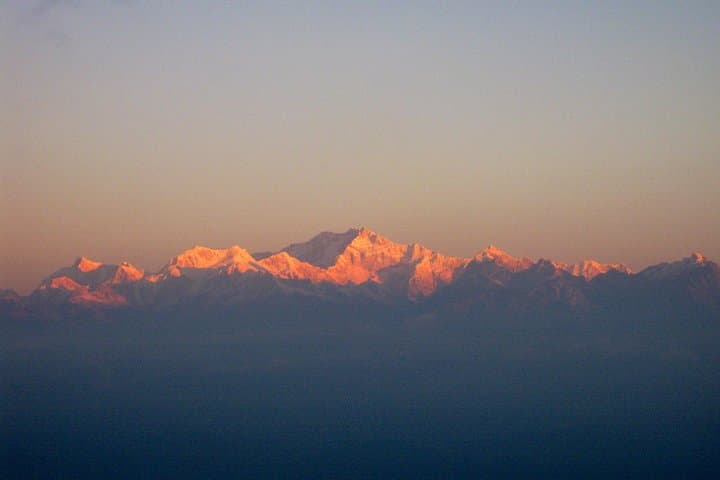
Fog peels off the ridges as your driver threads the narrow road toward Tiger Hill, the sky turning a hard blue behind the serrated silhouette of Kanchenjunga. By the time the valley below lightens, the tea gardens are revealed in bands of green, and the shrill whistle of the Darjeeling Himalayan Railway cuts through the morning air — a sharp punctuation to the landscape.
Verified experiences and guided adventures in the surrounding area.
Operated by India saying namaste Trips · Darjeeling, West Bengal
Fog peels off the ridges as your driver threads the narrow road toward Tiger Hill, the sky turning a hard blue behind the serrated silhouette of Kanchenjunga. By the time the valley below lightens, the tea gardens are revealed in bands of green, and the shrill whistle of the Darjeeling Himalayan Railway cuts through the morning air — a sharp punctuation to the landscape.
Darjeeling grew as a 19th‑century British hill station and tea‑plantation district on the southern rim of the Lesser Himalaya. Its soils and slopes are the product of Himalayan uplift and heavy monsoon weathering, creating steep terraces where tea bushes cling to contours. Cultural threads run from Tibetan Buddhist monasteries to colonial architecture and bustling market lanes; the narrow gauge toy train and Batasia Loop highlight both engineering and local life.
Expect a practical day: an 8–10 hour private loop that mixes short walks (1–5 km total on paved and stepped paths), scenic drives, and brief stops at viewpoints, monasteries, a tea garden, and the Mall Road. Tiger Hill requires an early start for sunrise; otherwise, mid‑morning light favors tea‑garden photos. Guides and drivers usually coordinate the order of sights, and the tour accepts mobile tickets with manual confirmation.
Plan for altitude (~2,000 m), sun and wind at exposed viewpoints, and crowded popular lookouts at sunrise. Bring layered clothing, decent walking shoes, cash for small vendors, and a charged phone for photos and navigation. The experience is less a technical trek than an active cultural day in highland terrain—rewarding for travelers who want scenery, history and local rhythms in one flexible package.
easy.
8–10 hours.
Suitable for most fitness levels; expect short walks on paved and stepped sections and periods of standing at viewpoints.
No—Tiger Hill is typically included as an optional stop on the full‑day private itinerary; confirm timing with your guide for sunrise visits.
Walking is light to moderate: several short walks (under 5 km total) across paved streets, viewpoints and tea‑garden paths; no technical hiking required.
The standard full‑day tour highlights the toy train and Batasia Loop for photo stops; an actual train segment may require advance booking and depends on schedule and ticket availability.
Darjeeling sits around 2,000 m—most visitors experience mild effects only; move at a relaxed pace, hydrate, and notify your guide if you feel unwell.
Darjeeling was developed as a British hill station and tea district in the 19th century; the Himalayan Railway (toy train) and colonial buildings reflect that era.
Steep slopes and fragile soils make erosion a concern—stick to roads and established paths, avoid single‑use plastics, and support local tea estates practicing sustainable plucking.
India saying namaste Trips operates guided outdoor trips and adventures with an emphasis on safety, stewardship, and memorable experiences.
Fog peels off the ridges as your driver threads the narrow road toward Tiger Hill, the sky turning a hard blue behind the serrated silhouette of Kanchenjunga. By the time the valley below lightens, the tea gardens are revealed in bands of green, and the shrill whistle of the Darjeeling Himalayan Railway cuts through the morning air — a sharp punctuation to the landscape.
Fog peels off the ridges as your driver threads the narrow road toward Tiger Hill, the sky turning a hard blue behind the serrated silhouette of Kanchenjunga. By the time the valley below lightens, the tea gardens are revealed in bands of green, and the shrill whistle of the Darjeeling Himalayan Railway cuts through the morning air — a sharp punctuation to the landscape.
Darjeeling grew as a 19th‑century British hill station and tea‑plantation district on the southern rim of the Lesser Himalaya. Its soils and slopes are the product of Himalayan uplift and heavy monsoon weathering, creating steep terraces where tea bushes cling to contours. Cultural threads run from Tibetan Buddhist monasteries to colonial architecture and bustling market lanes; the narrow gauge toy train and Batasia Loop highlight both engineering and local life.
Expect a practical day: an 8–10 hour private loop that mixes short walks (1–5 km total on paved and stepped paths), scenic drives, and brief stops at viewpoints, monasteries, a tea garden, and the Mall Road. Tiger Hill requires an early start for sunrise; otherwise, mid‑morning light favors tea‑garden photos. Guides and drivers usually coordinate the order of sights, and the tour accepts mobile tickets with manual confirmation.
Plan for altitude (~2,000 m), sun and wind at exposed viewpoints, and crowded popular lookouts at sunrise. Bring layered clothing, decent walking shoes, cash for small vendors, and a charged phone for photos and navigation. The experience is less a technical trek than an active cultural day in highland terrain—rewarding for travelers who want scenery, history and local rhythms in one flexible package.