THE ADVENTURE COLLECTIVE® · Independent discovery and booking for outdoor travel

Spend half a day (or more) with a local guide through Kariakoo Market, Kivukoni Fish Market and the National Museum in Dar es Salaam. Expect street flavors, fresh seafood, and hands-on cultural context from a Dutch- and Swahili-speaking guide.
Spend half a day (or more) with a local guide through Kariakoo Market, Kivukoni Fish Market and the National Museum in Dar es Salaam. Expect street flavors, fresh seafood, and hands-on cultural context from a Dutch- and Swahili-speaking guide.
The day opens with the hum of traffic and the smell of charcoal smoke drifting off Kariakoo Market as your guide, Ibrahim, leads you into a maze of stalls. Traders call out prices, sacks of maize lean like small hills, and the city moves around you like a living market map.
Verified experiences and guided adventures in the surrounding area.
Operated by Naar Dar Es Salaam · Dar es Salaam, Dar es Salaam Region
The day opens with the hum of traffic and the smell of charcoal smoke drifting off Kariakoo Market as your guide, Ibrahim, leads you into a maze of stalls. Traders call out prices, sacks of maize lean like small hills, and the city moves around you like a living market map.
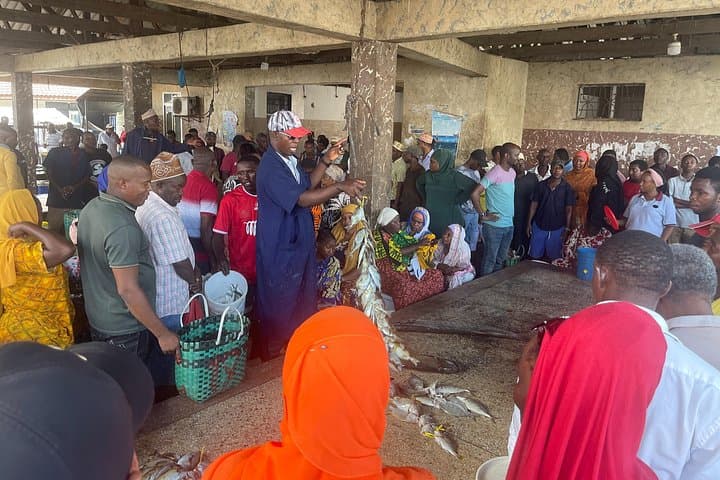
This tour stitches together Dar es Salaam’s recent history and its coastal geography: a port city on the Indian Ocean built on a flat coastal plain with coral reefs offshore and a colonial past visible in architecture and museums. At Kariakoo you’ll taste mishkaki grilled over hardwood while Ibrahim explains trade patterns and the market’s role in urban life. The Kivukoni Fish Market pulls you toward the sea—fishermen haul tunas and octopus from boats, and the ocean’s presence here feels direct and insistent, daring you to imagine voyages beyond the harbor.
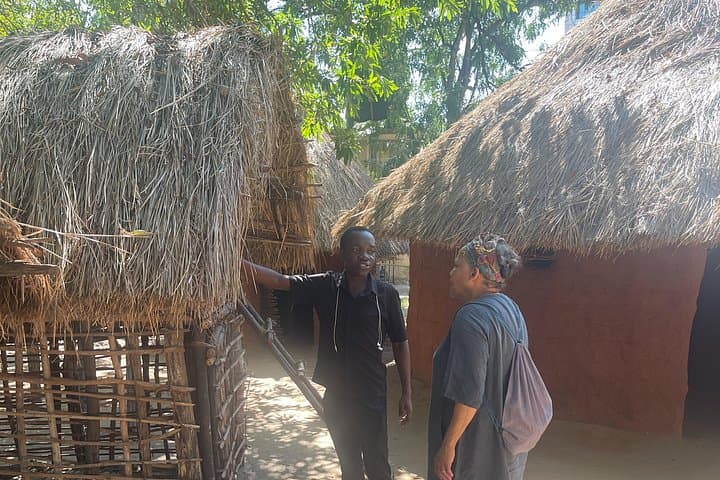
A visit to the National Museum and House of Culture anchors the route in archaeology and independence-era stories; displays include early hominid finds and exhibits on the nation’s post-colonial development. Cultural insights come naturally: bargaining etiquette, local food norms, and why certain neighborhoods developed into trade hubs.
Practical guidance: plan for a 4–8 hour private tour with hotel pickup in an air-conditioned vehicle, wear sturdy closed-toe shoes for market crowds, carry local currency for small purchases, and bring sun protection and a reusable water bottle. Ibrahim can tailor pacing and focus—ask beforehand if you want more food stops, photography time, or museum depth.
easy.
4–8 hours.
Suitable for most fitness levels; involves standing, walking through crowded markets and some steps at the museum.
Yes—this private tour offers hotel pickup and drop-off by air-conditioned vehicle; you’ll confirm pickup point during booking.
Admission to the National Museum and House of Culture is included as listed in the itinerary.
The guide Ibrahim speaks Swahili, English and Dutch and can tailor commentary to your language preference.
Full refunds are available if you cancel at least 24 hours before the scheduled departure time.
Dar es Salaam grew as a 19th-century port and later served as Tanganyika’s administrative center under colonial rule; the National Museum highlights both prehistoric finds and 20th-century political history.
Support local vendors and avoid single-use plastics; fishing is central to livelihoods here, so buying sustainably sourced seafood and asking about origins helps local fishers and marine habitats.
Naar Dar Es Salaam operates guided outdoor trips and adventures with an emphasis on safety, stewardship, and memorable experiences.
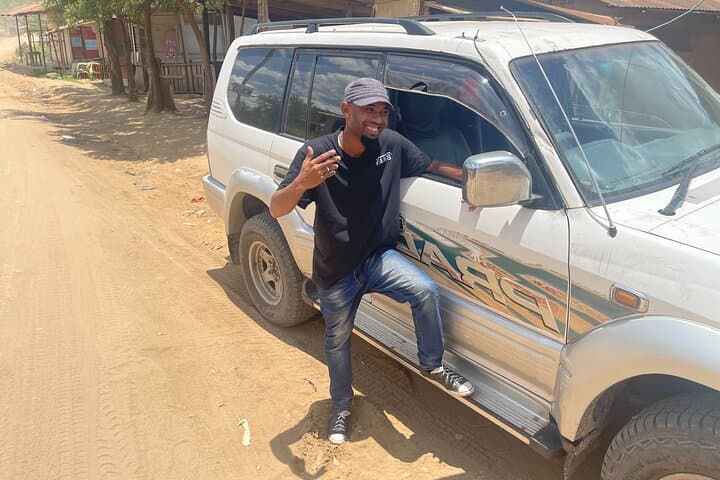
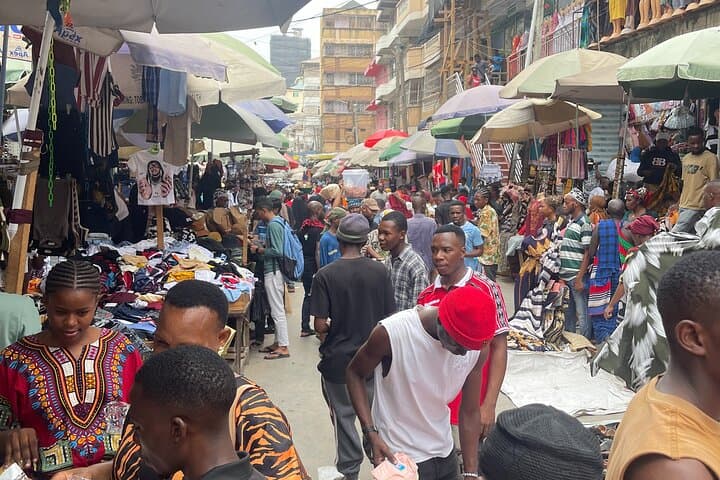
The day opens with the hum of traffic and the smell of charcoal smoke drifting off Kariakoo Market as your guide, Ibrahim, leads you into a maze of stalls. Traders call out prices, sacks of maize lean like small hills, and the city moves around you like a living market map.
The day opens with the hum of traffic and the smell of charcoal smoke drifting off Kariakoo Market as your guide, Ibrahim, leads you into a maze of stalls. Traders call out prices, sacks of maize lean like small hills, and the city moves around you like a living market map.
This tour stitches together Dar es Salaam’s recent history and its coastal geography: a port city on the Indian Ocean built on a flat coastal plain with coral reefs offshore and a colonial past visible in architecture and museums. At Kariakoo you’ll taste mishkaki grilled over hardwood while Ibrahim explains trade patterns and the market’s role in urban life. The Kivukoni Fish Market pulls you toward the sea—fishermen haul tunas and octopus from boats, and the ocean’s presence here feels direct and insistent, daring you to imagine voyages beyond the harbor.
A visit to the National Museum and House of Culture anchors the route in archaeology and independence-era stories; displays include early hominid finds and exhibits on the nation’s post-colonial development. Cultural insights come naturally: bargaining etiquette, local food norms, and why certain neighborhoods developed into trade hubs.
Practical guidance: plan for a 4–8 hour private tour with hotel pickup in an air-conditioned vehicle, wear sturdy closed-toe shoes for market crowds, carry local currency for small purchases, and bring sun protection and a reusable water bottle. Ibrahim can tailor pacing and focus—ask beforehand if you want more food stops, photography time, or museum depth.