THE ADVENTURE COLLECTIVE® · Independent discovery and booking for outdoor travel

Leave Vienna for an eight-hour private tour through the Wachau Valley — river views, medieval Dürnstein and the baroque splendor of Melk Abbey, with local wine and apricot specialties along the way.
Leave Vienna for an eight-hour private tour through the Wachau Valley — river views, medieval Dürnstein and the baroque splendor of Melk Abbey, with local wine and apricot specialties along the way.
A morning drives you out of Vienna and along the Danube; the river pulls at the window like a guide, urging you upriver toward terraces of vines and compact medieval towns. By midmorning you stand in Dürnstein’s narrow streets beneath the blue tower of the parish church, apricot scent drifting from a bakery; later, the massif of Melk Abbey rises above the river, its façade and library pressing history into the sky.
Verified experiences and guided adventures in the surrounding area.
Operated by Opatrip.com Austria · Dürnstein, Lower Austria
A morning drives you out of Vienna and along the Danube; the river pulls at the window like a guide, urging you upriver toward terraces of vines and compact medieval towns. By midmorning you stand in Dürnstein’s narrow streets beneath the blue tower of the parish church, apricot scent drifting from a bakery; later, the massif of Melk Abbey rises above the river, its façade and library pressing history into the sky.
This route follows a stretch of the Danube that UNESCO protects for its cultural landscape — a mix of gravel terraces cut by ice-age floods and human hands shaping vineyards for centuries. Dürnstein’s ruined castle is where Richard the Lionheart was held captive in the 12th century; Melk Abbey, rebuilt in Baroque splendor, showcases an Imperial Staircase, frescoed rooms and a renowned monastic library. Local culture leans on wine; the Wachau’s Grüner Veltliner and apricot orchards are part of daily life and local menus.
Practical guide: a private full-day tour runs about eight hours with coach transport and a local guide; expect 1–2 hours on foot in towns and up to moderate walking on uneven stone streets and monastery steps. Bring sturdy walking shoes, weather layers, a refillable water bottle and cash for market stalls. Aim for morning departures to avoid afternoon crowds at Melk; if you want vineyard time, ask your guide to include a short tasting stop. Photography works best with side-lighting mid-morning or late afternoon. This trip balances easy logistics with moments of steep stairs and cobbled alleys — the day is as much about quiet views along the river as it is about monuments.
easy.
8 hours.
Suitable for most fitness levels; involves short bursts of walking and stair climbs in towns and the abbey
Yes — private tours typically include transport from a central Vienna meeting point; confirm exact pickup location at booking.
Not always — check the tour inclusions; some packages cover Abbey admission while others list it as optional.
Private tours offer flexibility; ask your guide about adding a winery visit or extra time in Dürnstein.
Yes — the tour is described as suitable for all fitness levels, but expect stairs and some walking on uneven surfaces.
The Wachau’s terraced vineyards date back to medieval monastic estates; Melk Abbey has been a Benedictine center since the 11th century.
This UNESCO cultural landscape balances viticulture and river ecology; stick to marked paths and support local producers to reduce visitor impact.
Opatrip.com Austria operates guided outdoor trips and adventures with an emphasis on safety, stewardship, and memorable experiences.
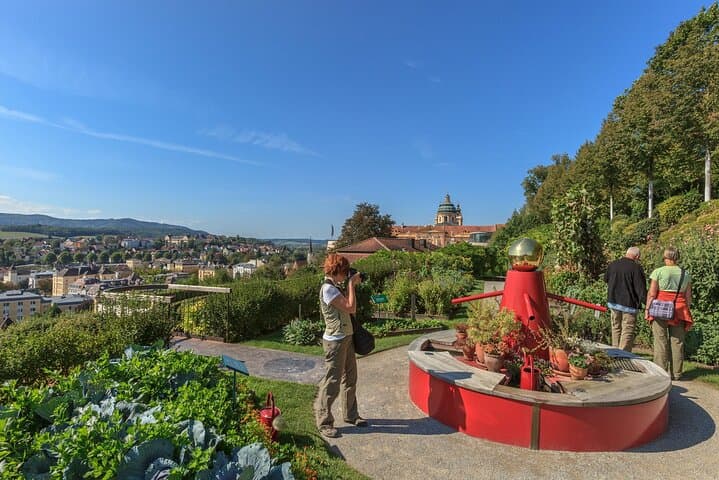
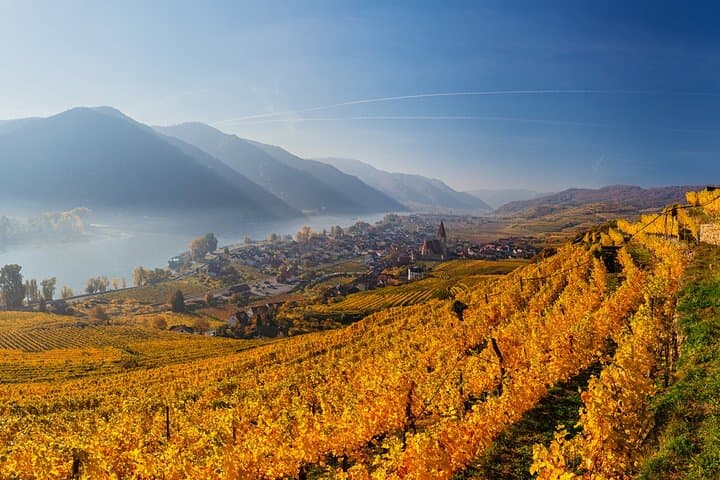
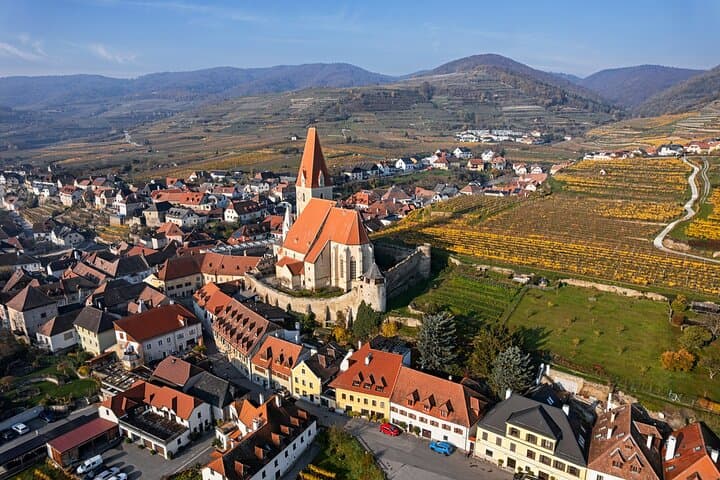

A morning drives you out of Vienna and along the Danube; the river pulls at the window like a guide, urging you upriver toward terraces of vines and compact medieval towns. By midmorning you stand in Dürnstein’s narrow streets beneath the blue tower of the parish church, apricot scent drifting from a bakery; later, the massif of Melk Abbey rises above the river, its façade and library pressing history into the sky.
A morning drives you out of Vienna and along the Danube; the river pulls at the window like a guide, urging you upriver toward terraces of vines and compact medieval towns. By midmorning you stand in Dürnstein’s narrow streets beneath the blue tower of the parish church, apricot scent drifting from a bakery; later, the massif of Melk Abbey rises above the river, its façade and library pressing history into the sky.
This route follows a stretch of the Danube that UNESCO protects for its cultural landscape — a mix of gravel terraces cut by ice-age floods and human hands shaping vineyards for centuries. Dürnstein’s ruined castle is where Richard the Lionheart was held captive in the 12th century; Melk Abbey, rebuilt in Baroque splendor, showcases an Imperial Staircase, frescoed rooms and a renowned monastic library. Local culture leans on wine; the Wachau’s Grüner Veltliner and apricot orchards are part of daily life and local menus.
Practical guide: a private full-day tour runs about eight hours with coach transport and a local guide; expect 1–2 hours on foot in towns and up to moderate walking on uneven stone streets and monastery steps. Bring sturdy walking shoes, weather layers, a refillable water bottle and cash for market stalls. Aim for morning departures to avoid afternoon crowds at Melk; if you want vineyard time, ask your guide to include a short tasting stop. Photography works best with side-lighting mid-morning or late afternoon. This trip balances easy logistics with moments of steep stairs and cobbled alleys — the day is as much about quiet views along the river as it is about monuments.