THE ADVENTURE COLLECTIVE® · Independent discovery and booking for outdoor travel

Three days of reed-lined channels, pelicans and Roman ruins: this private Danube Delta trip from Bucharest pairs wildlife-rich boat safaris with visits to Constanța and Halmyris Fortress. Expect intimate birdwatching, local fish cuisine, and light walks at archaeological sites.
Three days of reed-lined channels, pelicans and Roman ruins: this private Danube Delta trip from Bucharest pairs wildlife-rich boat safaris with visits to Constanța and Halmyris Fortress. Expect intimate birdwatching, local fish cuisine, and light walks at archaeological sites.
You push away from the quay as reed beds close in like pages of a book folding over the river—each channel murmurs with wings and water. By midmorning the Black Sea breeze has thinned the heat and the boat's wake draws cormorants and pelicans into view; the delta quickly becomes a stitched map of lagoons, channels and thin-sailed fishing skiffs.
Verified experiences and guided adventures in the surrounding area.
Operated by Transylvania Discovery Tours · Tulcea, Tulcea County
You push away from the quay as reed beds close in like pages of a book folding over the river—each channel murmurs with wings and water. By midmorning the Black Sea breeze has thinned the heat and the boat's wake draws cormorants and pelicans into view; the delta quickly becomes a stitched map of lagoons, channels and thin-sailed fishing skiffs.
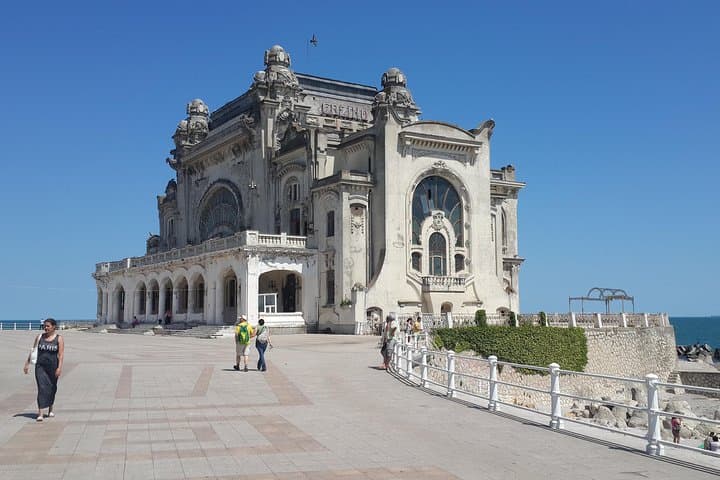
The Danube Delta is Europe's second-largest river delta and a UNESCO biosphere. Its layered history shows in nearby Constanța—Greek, Roman and Ottoman traces survive in the Archaeological Museum, the Grand Mosque and the Art Nouveau Casino on the seafront. Halmyris Fortress on the delta's edge records centuries of Roman and Byzantine occupation where the Danube once met the sea, while the Macin Mountains offer older geological contrasts—rounded, eroded hills of ancient granite rising from the plains.
Local villages like Mahmudia survive on seasonal fishing and recipes built around carp, pike and sturgeon; expect simple guesthouse meals and live, local storytelling. On the water, reeds will seem to lean in, the canal currents nudging your boat toward hidden gullies where bitterns and glossy ibises feed.
Practical guidance: pack layered, quick-dry clothing, a waterproof jacket and binoculars for long-distance identification. Dawn and late afternoon are prime for bird activity; midday can be hot and still. Boats can be small—bring motion-sickness prevention if you’re prone—and waterproof cases for cameras. Expect a mix of calm flatwater and narrow canals; fitness needs are moderate but you should be steady boarding small boats and walking short, uneven paths at sites like Halmyris. With a sensible kit and timing, this three-day loop delivers concentrated wildlife viewing, coastal history and the slow rhythm of life where river meets sea.
moderate.
3 days (approx. 72 hours).
Moderate — able to board small boats, walk short uneven trails and spend periods seated on boat benches.
The Danube Delta hosts over 300 bird species; on a focused three-day safari you can expect to see dozens of species including pelicans, egrets, storks and various waterfowl depending on season and weather.
Yes—children who can sit quietly on a boat and handle short walks will enjoy the trip, but supervise around water and bring motion-sickness prevention for younger passengers.
Walking is light to moderate: short, sometimes uneven paths at archaeological sites and village visits; most time is spent on boats.
Visitors should check Romania visa requirements for their nationality; the tour covers public access sites and included boat rides do not require special permits beyond normal entry documentation.
The delta region has layers of human settlement from Greek colonies through Roman and Byzantine control; Halmyris preserves remains of a fortified Roman harbour and later ecclesiastical sites.
The Danube Delta is a UNESCO biosphere with protected zones; visitors should avoid disturbing reedbeds, dispose of waste responsibly and follow guides' instructions to minimize impact.
Transylvania Discovery Tours operates guided outdoor trips and adventures with an emphasis on safety, stewardship, and memorable experiences.
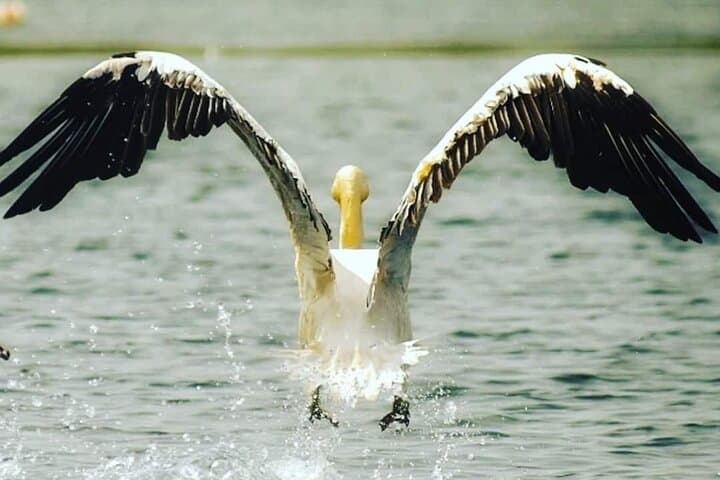
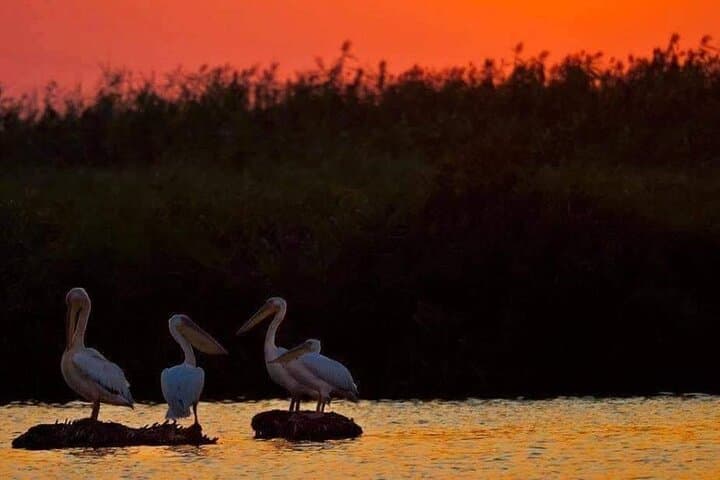
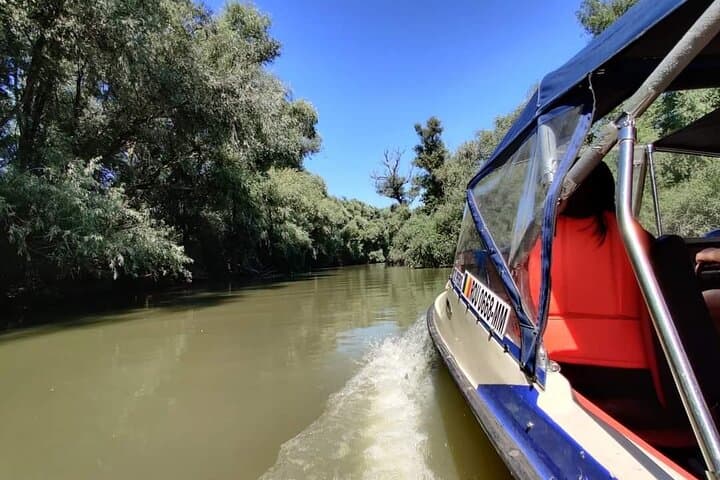
You push away from the quay as reed beds close in like pages of a book folding over the river—each channel murmurs with wings and water. By midmorning the Black Sea breeze has thinned the heat and the boat's wake draws cormorants and pelicans into view; the delta quickly becomes a stitched map of lagoons, channels and thin-sailed fishing skiffs.
You push away from the quay as reed beds close in like pages of a book folding over the river—each channel murmurs with wings and water. By midmorning the Black Sea breeze has thinned the heat and the boat's wake draws cormorants and pelicans into view; the delta quickly becomes a stitched map of lagoons, channels and thin-sailed fishing skiffs.
The Danube Delta is Europe's second-largest river delta and a UNESCO biosphere. Its layered history shows in nearby Constanța—Greek, Roman and Ottoman traces survive in the Archaeological Museum, the Grand Mosque and the Art Nouveau Casino on the seafront. Halmyris Fortress on the delta's edge records centuries of Roman and Byzantine occupation where the Danube once met the sea, while the Macin Mountains offer older geological contrasts—rounded, eroded hills of ancient granite rising from the plains.
Local villages like Mahmudia survive on seasonal fishing and recipes built around carp, pike and sturgeon; expect simple guesthouse meals and live, local storytelling. On the water, reeds will seem to lean in, the canal currents nudging your boat toward hidden gullies where bitterns and glossy ibises feed.
Practical guidance: pack layered, quick-dry clothing, a waterproof jacket and binoculars for long-distance identification. Dawn and late afternoon are prime for bird activity; midday can be hot and still. Boats can be small—bring motion-sickness prevention if you’re prone—and waterproof cases for cameras. Expect a mix of calm flatwater and narrow canals; fitness needs are moderate but you should be steady boarding small boats and walking short, uneven paths at sites like Halmyris. With a sensible kit and timing, this three-day loop delivers concentrated wildlife viewing, coastal history and the slow rhythm of life where river meets sea.