THE ADVENTURE COLLECTIVE® · Independent discovery and booking for outdoor travel

Stand at a glowing lava lake one morning and climb to cliffside churches the next. This five-day itinerary pairs Danakil's neon sulfur fields and Erta Ale with Tigray's ancient rock-hewn sanctuaries for a high-impact, high-reward desert-to-highlands adventure.
Stand at a glowing lava lake one morning and climb to cliffside churches the next. This five-day itinerary pairs Danakil's neon sulfur fields and Erta Ale with Tigray's ancient rock-hewn sanctuaries for a high-impact, high-reward desert-to-highlands adventure.
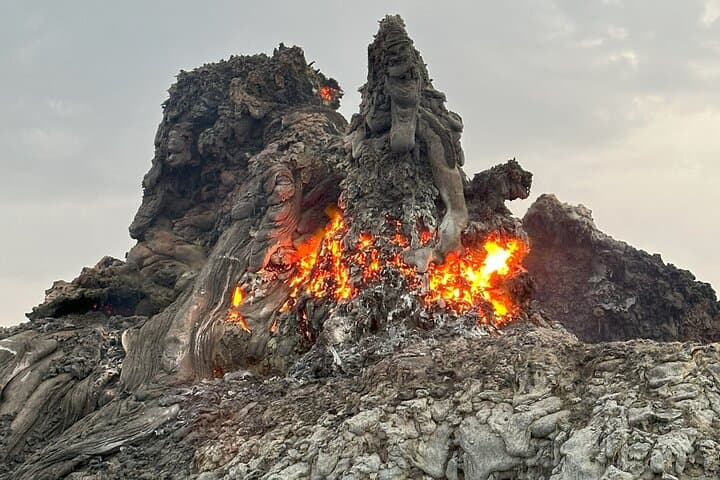
A low rumble and a molten horizon greet travelers at Erta Ale, where the lava lake's orange pulse throws hard shadows over black basalt.
Verified experiences and guided adventures in the surrounding area.
Operated by Majesty Ethiopia Tours · Mekelle, Tigray / Afar
A low rumble and a molten horizon greet travelers at Erta Ale, where the lava lake's orange pulse throws hard shadows over black basalt.
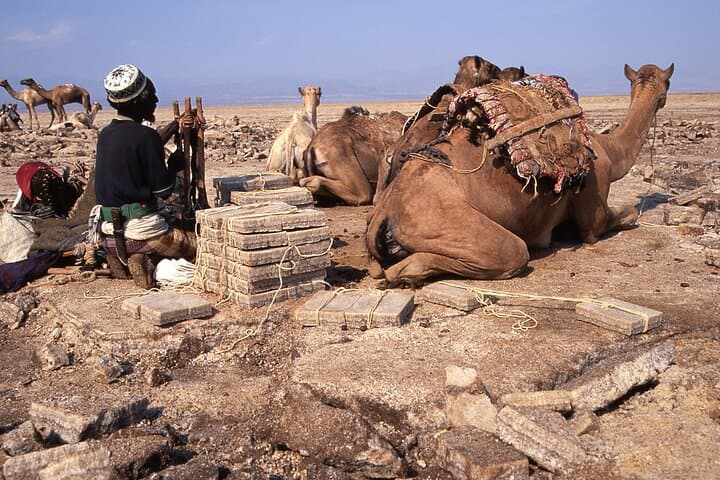
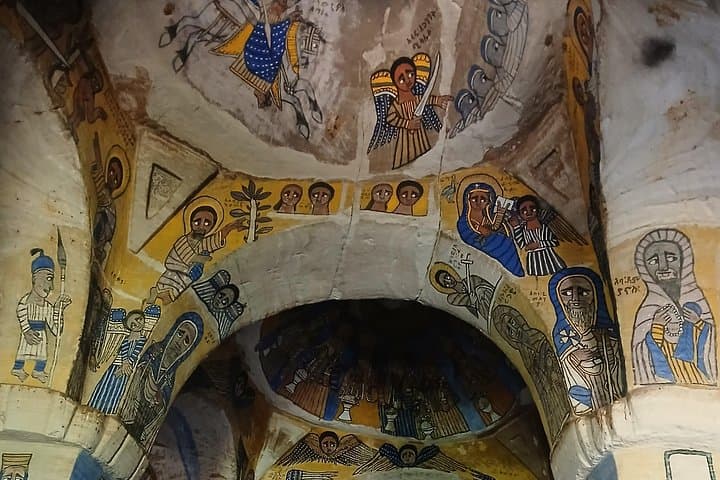
This five-day route threads two of northern Ethiopia's most extreme landscapes: the Afar Depression's salt flats, sulfur fields and lava lakes, and the high, jagged escarpments of Tigray where churches are carved into cliff faces. Geologically the Danakil sits in the Afar Triple Junction — a place the earth is actively pulling apart — which produces the acid pools and neon sulfur terraces at Dallol and the persistent magma in Erta Ale. Culturally, the Afar people maintain traditional salt caravans and desert livelihoods, while the Tigrayan highlands preserve Christian sites dating to the 5th–7th centuries and frescoes that survive under arid protection.
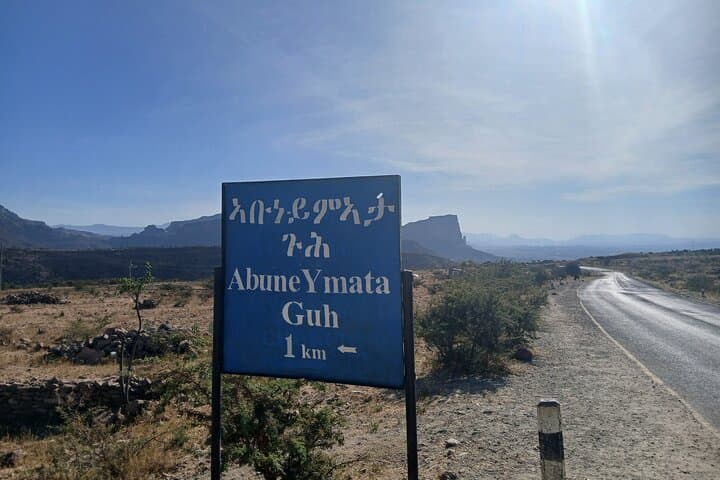
Expect driving on rough 4x4 tracks, short-but-steep treks, and one night of basic camping beside the crater. Climbs to Abuna Yemata Guh and the Mariam/Daniel Korkor churches include exposed scrambling and fixed-rope sections; local assistants accompany climbs. Photographers will find surreal color contrasts: white salt plains, sulfur-yellow pools, and red-brown rock churches.
Practical guidance: travel with experienced local guides, allow time to acclimatize in Mekele, and plan for extreme heat in the lowlands and cool nights at elevation. Bring a headlamp, plenty of water, sun protection, sturdy boots with good grip, and layered clothing for temperature swings. Permit, local fees and camping equipment are typically arranged by tour operators; carry cash for small purchases in remote villages.
challenging.
5 days.
Participants should have above-average fitness, comfortable with all-day walks, steep scrambles and long vehicle transfers.
Most operators handle regional permits and travel authorizations; confirm this before booking and carry ID and confirmation documents with you.
The ascent involves exposed scrambling and fixed ropes; a head for heights and steady footing are required—local assistants guide and secure visitors.
Yes — the lake is hypersaline and floating is common, but avoid cuts as the salt can sting and use freshwater to rinse afterward.
Cooler months from October to February are more comfortable for lowland visits, while the shoulder months reduce extreme heat and still offer clear skies for trekking.
The Tigray rock-hewn churches date back to the early Christian era (5th–7th centuries) and were often established by missionary 'Nine Saints'; the Danakil sits on the actively spreading East African Rift, forming unique volcanic and saltland features.
Both the fragile salt flats and highland frescoes need careful protection — avoid taking salt fragments or touching painted surfaces, and use established campsites to limit impact.
Majesty Ethiopia Tours operates guided outdoor trips and adventures with an emphasis on safety, stewardship, and memorable experiences.
A low rumble and a molten horizon greet travelers at Erta Ale, where the lava lake's orange pulse throws hard shadows over black basalt.
A low rumble and a molten horizon greet travelers at Erta Ale, where the lava lake's orange pulse throws hard shadows over black basalt.
This five-day route threads two of northern Ethiopia's most extreme landscapes: the Afar Depression's salt flats, sulfur fields and lava lakes, and the high, jagged escarpments of Tigray where churches are carved into cliff faces. Geologically the Danakil sits in the Afar Triple Junction — a place the earth is actively pulling apart — which produces the acid pools and neon sulfur terraces at Dallol and the persistent magma in Erta Ale. Culturally, the Afar people maintain traditional salt caravans and desert livelihoods, while the Tigrayan highlands preserve Christian sites dating to the 5th–7th centuries and frescoes that survive under arid protection.
Expect driving on rough 4x4 tracks, short-but-steep treks, and one night of basic camping beside the crater. Climbs to Abuna Yemata Guh and the Mariam/Daniel Korkor churches include exposed scrambling and fixed-rope sections; local assistants accompany climbs. Photographers will find surreal color contrasts: white salt plains, sulfur-yellow pools, and red-brown rock churches.
Practical guidance: travel with experienced local guides, allow time to acclimatize in Mekele, and plan for extreme heat in the lowlands and cool nights at elevation. Bring a headlamp, plenty of water, sun protection, sturdy boots with good grip, and layered clothing for temperature swings. Permit, local fees and camping equipment are typically arranged by tour operators; carry cash for small purchases in remote villages.