THE ADVENTURE COLLECTIVE® · Independent discovery and booking for outdoor travel

A high-impact four-day expedition through Ethiopia’s Danakil Depression and the Tigray highlands, pairing the glowing Erta Ale lava lake, surreal Dallol springs, and cliffside rock-hewn churches. Expect long drives, desert heat, short hikes, and unforgettable geology and culture.
A high-impact four-day expedition through Ethiopia’s Danakil Depression and the Tigray highlands, pairing the glowing Erta Ale lava lake, surreal Dallol springs, and cliffside rock-hewn churches. Expect long drives, desert heat, short hikes, and unforgettable geology and culture.
Heat shimmers off black basalt as a convoy threads its way across salt plains and pumice fields — the Danakil Depression arrives before it’s seen, a place where light itself feels geological. By night, the Erta Ale lava lake throws a low, steady glow that silhouettes sleeping tents and wind-scoured ridges; by day the salt flats and neon springs of Dallol map a palette of sulfur and ochre that looks invented.
Verified experiences and guided adventures in the surrounding area.
Operated by Great Ethiopian Tours · Mek'ele, Tigray Region and Afar Region
Heat shimmers off black basalt as a convoy threads its way across salt plains and pumice fields — the Danakil Depression arrives before it’s seen, a place where light itself feels geological. By night, the Erta Ale lava lake throws a low, steady glow that silhouettes sleeping tents and wind-scoured ridges; by day the salt flats and neon springs of Dallol map a palette of sulfur and ochre that looks invented.
This four-day route pairs two very different northern Ethiopia stories: the Afar lowlands, carved by rifts and volcanic fire, and the high, cliff-forged Christian sites of Tigray. Geologically the Danakil sits well below sea level; Erta Ale’s lava lake is one of the world’s few persistent molten mirrors. Culturally, the salt caravans that cross Lake Asale link modern visitors to centuries of trade, while the Gheralta churches — Abuna Yemata Guh and Mariam Korkor — are carved into cliff faces and hold frescoes from the first millennium.
Travelers should expect bumpy 4x4 roads, desert hiking (short hikes to craters and church approaches), and extreme daytime heat with cold nights near high-elevation camps. The itinerary includes a 30-minute rim hike at Erta Ale, long drives (several hours between points), and guided climbs to cliff churches requiring some exposure and basic scrambling.
Practical notes: carry 3–4L water, sun protection, sturdy boots, and a headlamp for pre-dawn lava viewing. Respect local Afar communities and church access protocols, and pack out waste — these landscapes are fragile and heavily managed. With preparation, this mix of molten spectacle and mountain sanctuaries is an intense, unforgettable four-day expedition.
challenging.
4 days.
Good aerobic fitness and comfort with short hikes, scrambling and exposure; able to sit long drives and manage desert conditions.
Expect mostly easy-to-moderate hikes (30–90 minutes) and some exposed scrambling at cliff churches — overall the trip is challenging due to heat, long drives, and uneven terrain.
Yes when guided — visits use established rims and camps; follow guide instructions, keep distance from unstable edges, and avoid loose ash slopes.
Permits and regional coordination are handled by the tour operator; travelers should have passports and follow local security guidance.
A tripod, wide-angle and telephoto lenses, spare batteries and memory cards, and a dust-cover for camera gear due to wind and salt dust.
The Danakil has been a salt-extraction hub for centuries; Tigray’s rock-hewn churches date back to early Christian centuries and were often built in inaccessible places for protection and solitude.
These fragile hydrothermal features and salt flats are vulnerable to disturbance; stick to marked routes, avoid collecting minerals, and pack out all trash.
Great Ethiopian Tours operates guided outdoor trips and adventures with an emphasis on safety, stewardship, and memorable experiences.
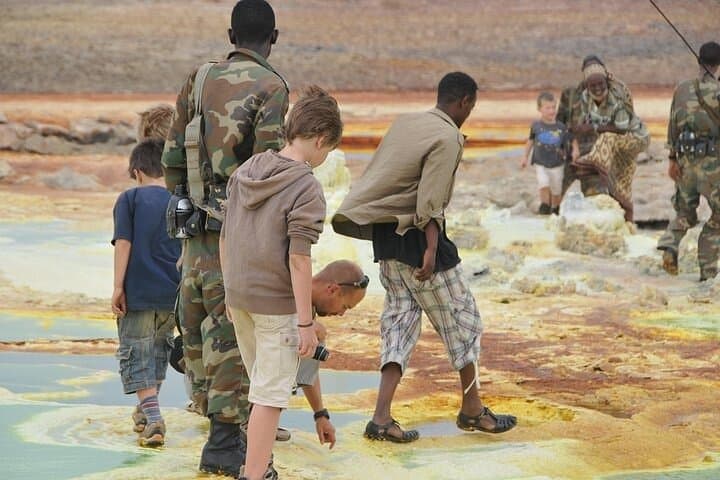
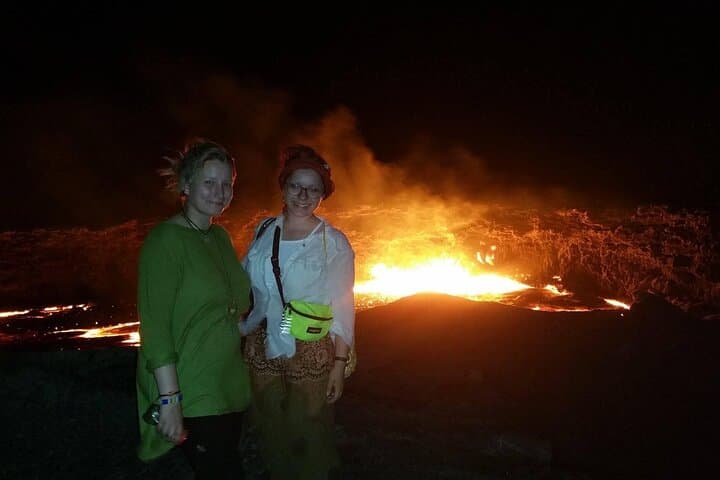
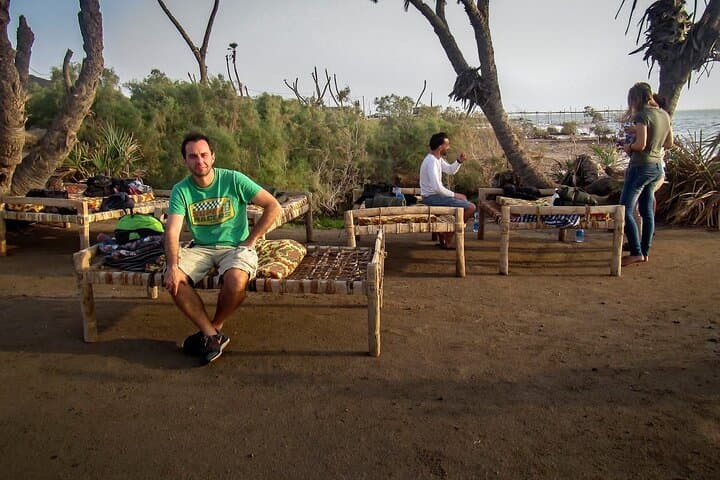
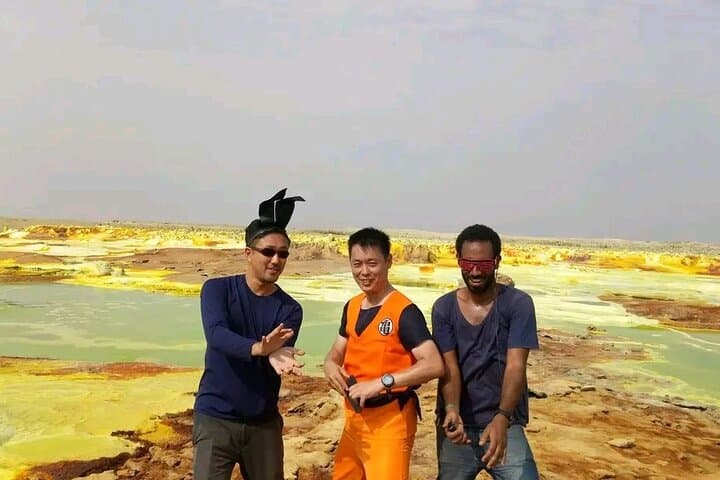
Heat shimmers off black basalt as a convoy threads its way across salt plains and pumice fields — the Danakil Depression arrives before it’s seen, a place where light itself feels geological. By night, the Erta Ale lava lake throws a low, steady glow that silhouettes sleeping tents and wind-scoured ridges; by day the salt flats and neon springs of Dallol map a palette of sulfur and ochre that looks invented.
Heat shimmers off black basalt as a convoy threads its way across salt plains and pumice fields — the Danakil Depression arrives before it’s seen, a place where light itself feels geological. By night, the Erta Ale lava lake throws a low, steady glow that silhouettes sleeping tents and wind-scoured ridges; by day the salt flats and neon springs of Dallol map a palette of sulfur and ochre that looks invented.
This four-day route pairs two very different northern Ethiopia stories: the Afar lowlands, carved by rifts and volcanic fire, and the high, cliff-forged Christian sites of Tigray. Geologically the Danakil sits well below sea level; Erta Ale’s lava lake is one of the world’s few persistent molten mirrors. Culturally, the salt caravans that cross Lake Asale link modern visitors to centuries of trade, while the Gheralta churches — Abuna Yemata Guh and Mariam Korkor — are carved into cliff faces and hold frescoes from the first millennium.
Travelers should expect bumpy 4x4 roads, desert hiking (short hikes to craters and church approaches), and extreme daytime heat with cold nights near high-elevation camps. The itinerary includes a 30-minute rim hike at Erta Ale, long drives (several hours between points), and guided climbs to cliff churches requiring some exposure and basic scrambling.
Practical notes: carry 3–4L water, sun protection, sturdy boots, and a headlamp for pre-dawn lava viewing. Respect local Afar communities and church access protocols, and pack out waste — these landscapes are fragile and heavily managed. With preparation, this mix of molten spectacle and mountain sanctuaries is an intense, unforgettable four-day expedition.