THE ADVENTURE COLLECTIVE® · Independent discovery and booking for outdoor travel

Escape Gwangju for a private day in Damyang’s bamboo groves, Joseon-era gardens, and Slow City villages. This full-day tour mixes easy walks, local cuisine, and hands-on craft insights—perfect for travelers who want calm, culture, and close-up nature.
Escape Gwangju for a private day in Damyang’s bamboo groves, Joseon-era gardens, and Slow City villages. This full-day tour mixes easy walks, local cuisine, and hands-on craft insights—perfect for travelers who want calm, culture, and close-up nature.
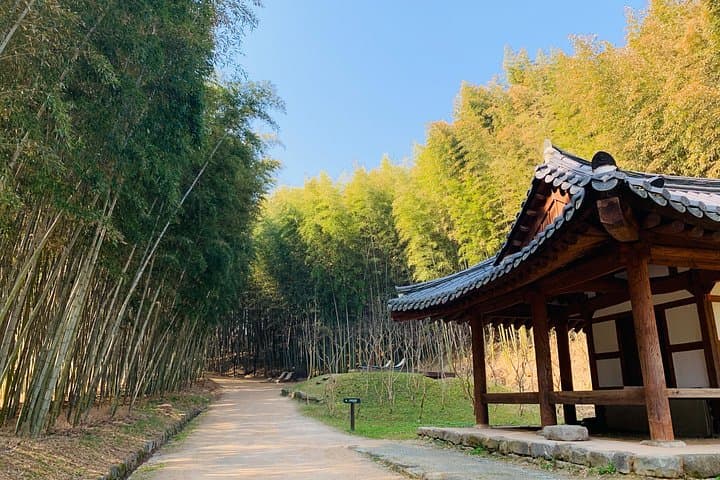
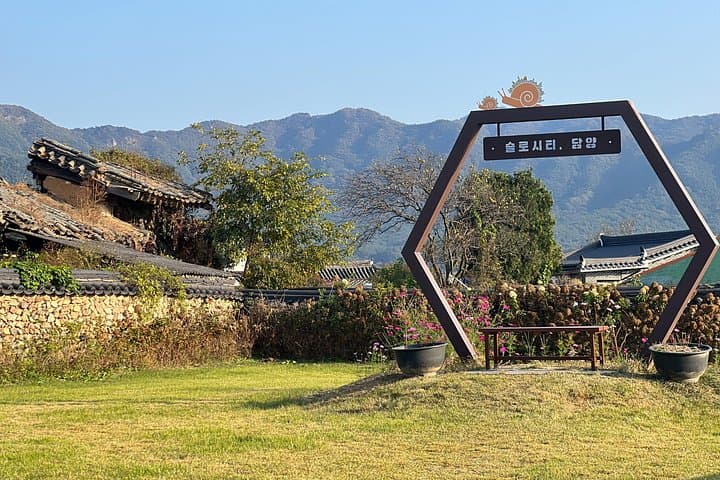
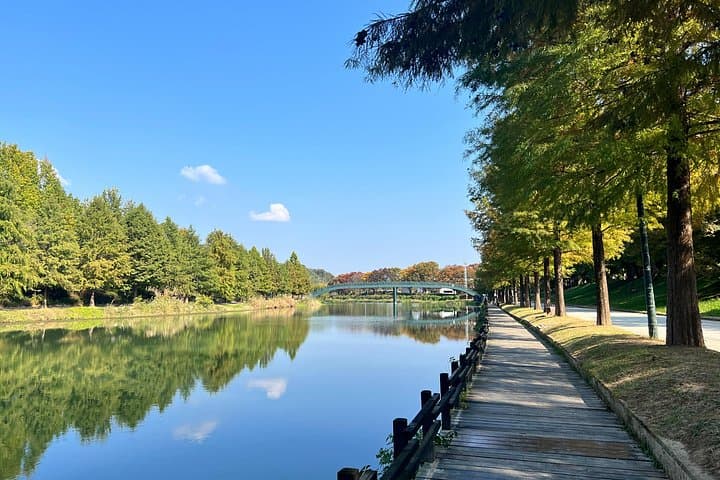
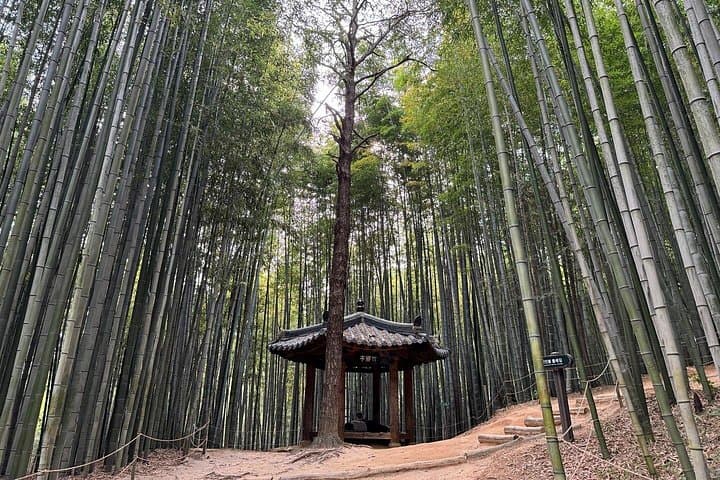
You step off the vehicle and the air changes: cool, green-sweet, and threaded with the hollow whisper of bamboo stems brushing one another. The day unfolds across Damyang’s varied scales—two-kilometer riverbank groves, an imperial-era private garden where a clear stream arranges its own path, and a hanok-lined Slow City village where time slows to match the rhythm of local life.
Verified experiences and guided adventures in the surrounding area.
Operated by Tasty Trails Korea · Damyang, Jeollanam-do
You step off the vehicle and the air changes: cool, green-sweet, and threaded with the hollow whisper of bamboo stems brushing one another. The day unfolds across Damyang’s varied scales—two-kilometer riverbank groves, an imperial-era private garden where a clear stream arranges its own path, and a hanok-lined Slow City village where time slows to match the rhythm of local life.
Damyang’s landscape reflects deliberate human shaping as much as natural growth. Gwanbangjerim was planted in 1648 to prevent flood damage; Soswaewon is a Joseon Dynasty private garden laid out to frame water, rocks, and pavilion views that inspired classical poetry. Bamboo here thrives because of the region’s mild coastal climate and well-drained valley soils, producing the tall, straight canes used in daily crafts and ceremonial tea.
Culturally, Damyang’s identity is tied to bamboo craft and slow-living principles: the Bamboo Craft Museum traces decades of innovation, while Samjinae’s Cittaslow designation preserves hanok architecture and traditional foodways. Expect hands-on displays, specialty bamboo teas, and local dishes like grilled short rib patties served in steamed bamboo rice.
Practical guidance: this private full-day tour runs roughly 8–9 hours including transport from Gwangju (about 45–60 minutes each way). Walks are easy—mostly paved paths and gentle boardwalks—but bring sturdy shoes and a light rain layer. Visit early or late afternoon for softer light and fewer crowds; weekends and Korean public holidays will be busiest. Hydrate, respect quiet zones in gardens, and leave space for slow village life—this tour rewards patience with calm, craft, and close-up views of living bamboo culture.
easy.
8–9 hours.
Suitable for most fitness levels; involves several short, leisurely walks and minimal elevation change.
The tour lasts about 8–9 hours and includes private transportation from Gwangju to Damyang and back.
Transportation and many sites like Juknokwon have accessible options, but some traditional gardens and village lanes include steps and uneven surfaces—check specific accessibility needs when booking.
A gourmet lunch (local specialty such as grilled short rib patties with bamboo rice) and coffee or tea in a hanok cafe are included; vegetarian alternatives are available on request.
Full refunds are available if you cancel at least 24 hours before the scheduled departure; tours may be canceled for bad weather.
Damyang’s gardens and groves gained prominence during the Joseon Dynasty, and Samjinae Village later became Asia’s first Cittaslow community focused on preserving traditional life.
Bamboo forests are actively managed for craft and flood control; visitors are asked to stay on paths and carry out waste to protect fragile understory and streams.
Tasty Trails Korea operates guided outdoor trips and adventures with an emphasis on safety, stewardship, and memorable experiences.
You step off the vehicle and the air changes: cool, green-sweet, and threaded with the hollow whisper of bamboo stems brushing one another. The day unfolds across Damyang’s varied scales—two-kilometer riverbank groves, an imperial-era private garden where a clear stream arranges its own path, and a hanok-lined Slow City village where time slows to match the rhythm of local life.
You step off the vehicle and the air changes: cool, green-sweet, and threaded with the hollow whisper of bamboo stems brushing one another. The day unfolds across Damyang’s varied scales—two-kilometer riverbank groves, an imperial-era private garden where a clear stream arranges its own path, and a hanok-lined Slow City village where time slows to match the rhythm of local life.
Damyang’s landscape reflects deliberate human shaping as much as natural growth. Gwanbangjerim was planted in 1648 to prevent flood damage; Soswaewon is a Joseon Dynasty private garden laid out to frame water, rocks, and pavilion views that inspired classical poetry. Bamboo here thrives because of the region’s mild coastal climate and well-drained valley soils, producing the tall, straight canes used in daily crafts and ceremonial tea.
Culturally, Damyang’s identity is tied to bamboo craft and slow-living principles: the Bamboo Craft Museum traces decades of innovation, while Samjinae’s Cittaslow designation preserves hanok architecture and traditional foodways. Expect hands-on displays, specialty bamboo teas, and local dishes like grilled short rib patties served in steamed bamboo rice.
Practical guidance: this private full-day tour runs roughly 8–9 hours including transport from Gwangju (about 45–60 minutes each way). Walks are easy—mostly paved paths and gentle boardwalks—but bring sturdy shoes and a light rain layer. Visit early or late afternoon for softer light and fewer crowds; weekends and Korean public holidays will be busiest. Hydrate, respect quiet zones in gardens, and leave space for slow village life—this tour rewards patience with calm, craft, and close-up views of living bamboo culture.