THE ADVENTURE COLLECTIVE® · Independent discovery and booking for outdoor travel

Glide through Damnoen Saduak’s canal labyrinth and explore Ayutthaya’s ruined temples on a single day trip from Bangkok. This tour blends lively market life with UNESCO heritage, ideal for culture-minded travelers with limited time.
Glide through Damnoen Saduak’s canal labyrinth and explore Ayutthaya’s ruined temples on a single day trip from Bangkok. This tour blends lively market life with UNESCO heritage, ideal for culture-minded travelers with limited time.
Before dawn the bus eases out of Bangkok and the road lightens into palm-fringed lanes. By midmorning you’re at a maze of narrow canals where longtail boats thread like needles through stalls of fruit, curries and lacquered trinkets—vendors call, boats dip paddles, and the market breathes with movement. Later the flat floodplain around Ayutthaya opens wide: crumbling prangs and Buddha heads push through grass and fig roots, and the ruins hold the day’s heat like a slow pulse.
Verified experiences and guided adventures in the surrounding area.
Operated by Sightseeing Chiang Mai · Damnoen Saduak, Ratchaburi
Before dawn the bus eases out of Bangkok and the road lightens into palm-fringed lanes. By midmorning you’re at a maze of narrow canals where longtail boats thread like needles through stalls of fruit, curries and lacquered trinkets—vendors call, boats dip paddles, and the market breathes with movement. Later the flat floodplain around Ayutthaya opens wide: crumbling prangs and Buddha heads push through grass and fig roots, and the ruins hold the day’s heat like a slow pulse.
Ayutthaya was the Siamese capital from the 14th to 18th centuries; its brick-and-laterite temples and towering chedis document centuries of trade with China, India and the Khmer world. Geologically the central plains are alluvial—rivers have carved channels that made both commerce and vulnerability; floods were as decisive as kings. Culturally you’ll notice devotional offerings, saffron-robed monks and market vendors who still rely on river access.
Practical guidance: the tour runs about 11 hours with round-trip transfer and an English-speaking guide; lunch is included. A short optional paddle fee (around 150 THB) covers a private rowing ride if you want closer photos. Expect flat walking on mixed surfaces—pier planks, roadside stalls and packed dirt at temple sites—so comfortable shoes are enough. Start early to beat heat and crowds; bring sun protection, a refillable bottle and small change for market snacks and temple donations. Time your visit outside the monsoon for dryer photos and easier canal navigation.
easy.
11 hours.
Suitable for most fitness levels; requires walking on flat, uneven surfaces and stepping on/off boats.
The tour is approximately 11 hours round-trip from Bangkok; it typically includes round-trip transfer, an English-speaking guide, admission fees and lunch.
You’ll have free time to explore the market; an optional paddle/boat fee (around 150 THB) pays for a private longtail ride through the narrower canals.
Most historic Ayutthaya sites have uneven ground, steps and limited ramp access—accessibility is best assessed case-by-case and may be challenging for wheelchair users.
Modest attire is required: shoulders and knees should be covered. Lightweight, breathable layers work best in warm weather.
Ayutthaya served as Siam’s capital from the 14th to the 18th century and was a regional trade hub; many temples show Khmer and Sri Lankan stylistic influences.
High visitor volumes and boat traffic strain canal ecosystems—minimize plastic waste and support vendors who use sustainable packaging.
Sightseeing Chiang Mai operates guided outdoor trips and adventures with an emphasis on safety, stewardship, and memorable experiences.
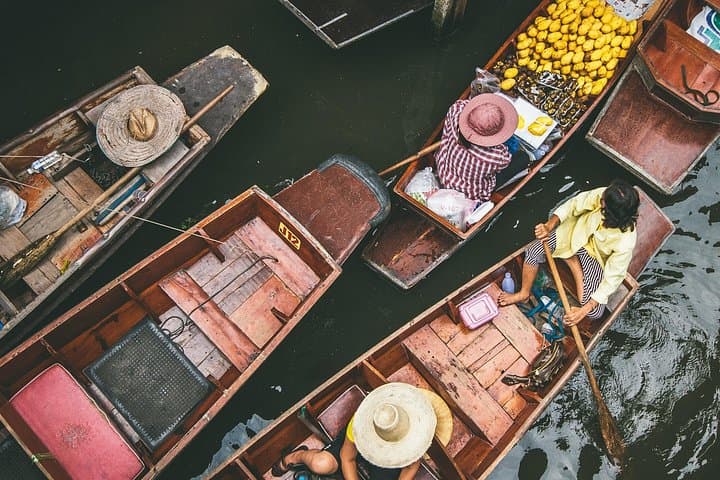
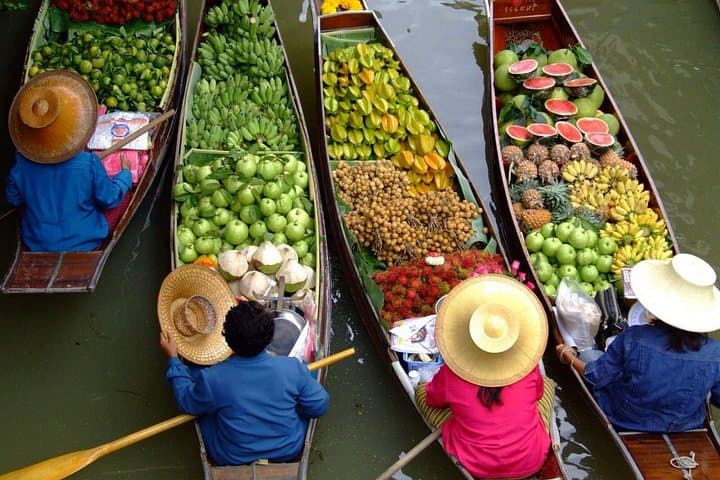
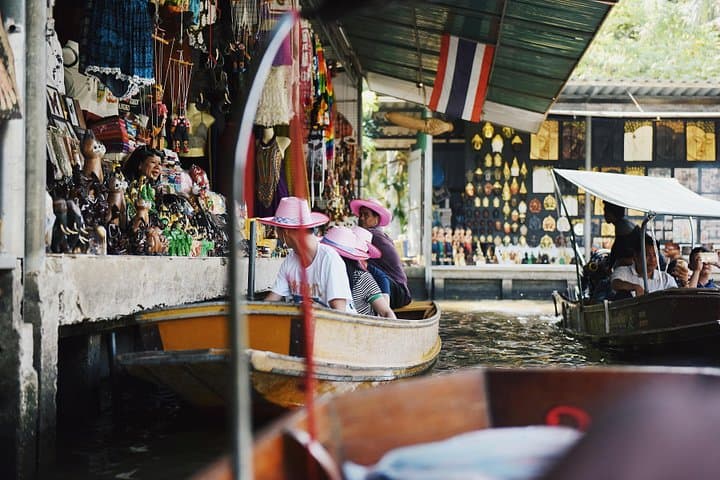
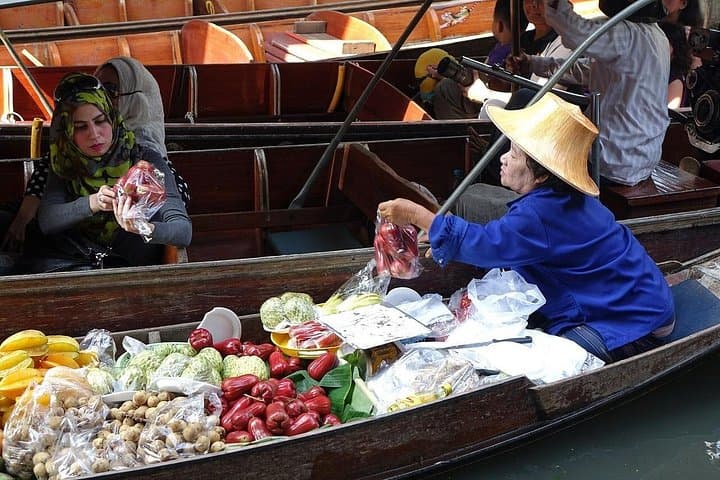
Before dawn the bus eases out of Bangkok and the road lightens into palm-fringed lanes. By midmorning you’re at a maze of narrow canals where longtail boats thread like needles through stalls of fruit, curries and lacquered trinkets—vendors call, boats dip paddles, and the market breathes with movement. Later the flat floodplain around Ayutthaya opens wide: crumbling prangs and Buddha heads push through grass and fig roots, and the ruins hold the day’s heat like a slow pulse.
Before dawn the bus eases out of Bangkok and the road lightens into palm-fringed lanes. By midmorning you’re at a maze of narrow canals where longtail boats thread like needles through stalls of fruit, curries and lacquered trinkets—vendors call, boats dip paddles, and the market breathes with movement. Later the flat floodplain around Ayutthaya opens wide: crumbling prangs and Buddha heads push through grass and fig roots, and the ruins hold the day’s heat like a slow pulse.
Ayutthaya was the Siamese capital from the 14th to 18th centuries; its brick-and-laterite temples and towering chedis document centuries of trade with China, India and the Khmer world. Geologically the central plains are alluvial—rivers have carved channels that made both commerce and vulnerability; floods were as decisive as kings. Culturally you’ll notice devotional offerings, saffron-robed monks and market vendors who still rely on river access.
Practical guidance: the tour runs about 11 hours with round-trip transfer and an English-speaking guide; lunch is included. A short optional paddle fee (around 150 THB) covers a private rowing ride if you want closer photos. Expect flat walking on mixed surfaces—pier planks, roadside stalls and packed dirt at temple sites—so comfortable shoes are enough. Start early to beat heat and crowds; bring sun protection, a refillable bottle and small change for market snacks and temple donations. Time your visit outside the monsoon for dryer photos and easier canal navigation.