THE ADVENTURE COLLECTIVE® · Independent discovery and booking for outdoor travel

Share a home-cooked meal with a Dambulla family, learn hands-on Sri Lankan cooking techniques, and walk the paddy fields to Ibbankatuwa Lake. This 2–4 hour village visit mixes a cooking class with a short farm walk and local hospitality.
Share a home-cooked meal with a Dambulla family, learn hands-on Sri Lankan cooking techniques, and walk the paddy fields to Ibbankatuwa Lake. This 2–4 hour village visit mixes a cooking class with a short farm walk and local hospitality.
You arrive through a low gate into a green backyard where banana leaves and papaya trees lean over a shaded yard; the host family greets you with a freshly cut coconut drink and an invitation to their open-air kitchen.
Verified experiences and guided adventures in the surrounding area.
Operated by Ceylon Food Trails · Dambulla, Central Province
You arrive through a low gate into a green backyard where banana leaves and papaya trees lean over a shaded yard; the host family greets you with a freshly cut coconut drink and an invitation to their open-air kitchen.
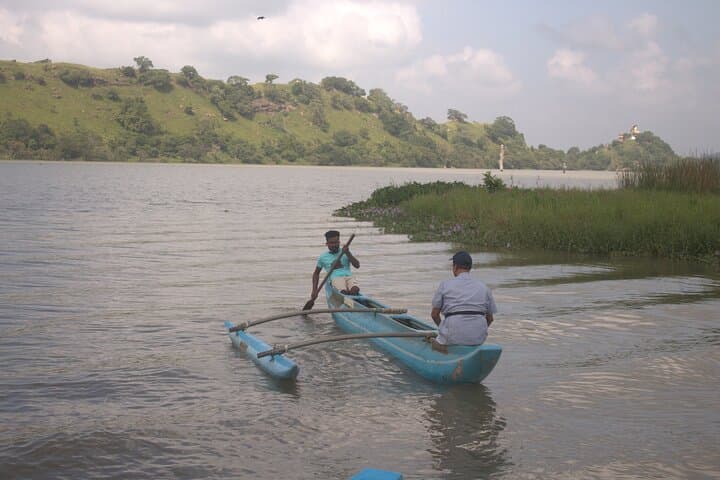
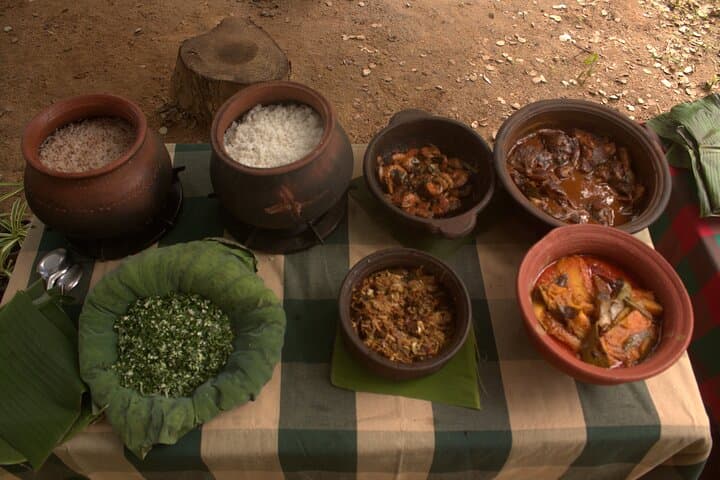
This is a working village, not a show kitchen: cooking happens over fire and gas stoves, using produce pulled from adjacent plots. The woman of the house—often called the amma—walks you through heirloom ingredients and traditional techniques: tempering spices in oil, grinding coconut, and pairing sambols with rice. The walk after lunch leads past paddy fields toward Ibbankatuwa Lake, where waterbirds call and irrigation channels pulse with life.
The landscape around Dambulla sits on the dry-zone plains of Sri Lanka’s Cultural Triangle, shaped by ancient irrigation and laterite soils that favor rice cultivation and home gardens. Culinary culture here is pragmatic—meals are seasonal, bold with chilies, curry leaves, and coconut, and historically tied to local harvest cycles and temple festivals.
Practical guidance: expect 2–4 hours total with hands-on instruction, a communal lunch, and a short farm walk. Wear closed-toe shoes for uneven paths, bring sun protection and insect repellent, and flag dietary restrictions in advance. Photography is welcome but ask before photographing family members. Cash for a small gratuity is appreciated.
This experience is best for travelers who want an intimate, low-impact cultural exchange—part cooking class, part rural walking tour—where food, place, and local knowledge are the main attractions.
easy.
2–4 hours.
Suitable for a wide range of fitness levels; requires short periods of standing and walking on uneven ground.
The visit runs about 2 to 4 hours—usually a hands-on cooking segment, a shared lunch, and a short walk around the garden and to the nearby lake.
Yes—notify the host or operator when booking and they will do their best to adapt dishes; strict medical allergies should be flagged in advance.
This listing notes private arrangements; check the booking page for pickup options or plan to arrive via local transport to Dambulla and arrange a short taxi transfer.
Yes—families are welcome, but children should be supervised around cooking fires and the uneven farm terrain.
The area sits within Sri Lanka’s Cultural Triangle, where ancient irrigation and rice cultivation shaped village life; local recipes often reflect centuries-old foodways tied to temple and harvest cycles.
Support the host family directly and minimize waste—bring a refillable bottle, avoid single-use plastics, and stay on established paths to protect crops and shoreline habitats.
Ceylon Food Trails operates guided outdoor trips and adventures with an emphasis on safety, stewardship, and memorable experiences.
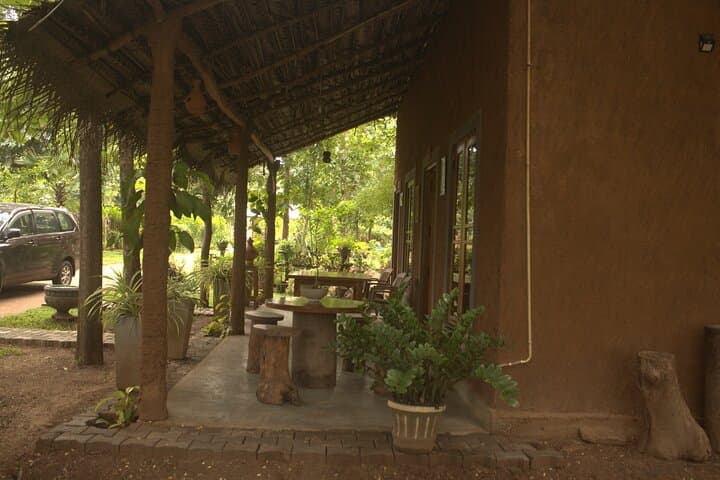
You arrive through a low gate into a green backyard where banana leaves and papaya trees lean over a shaded yard; the host family greets you with a freshly cut coconut drink and an invitation to their open-air kitchen.
You arrive through a low gate into a green backyard where banana leaves and papaya trees lean over a shaded yard; the host family greets you with a freshly cut coconut drink and an invitation to their open-air kitchen.
This is a working village, not a show kitchen: cooking happens over fire and gas stoves, using produce pulled from adjacent plots. The woman of the house—often called the amma—walks you through heirloom ingredients and traditional techniques: tempering spices in oil, grinding coconut, and pairing sambols with rice. The walk after lunch leads past paddy fields toward Ibbankatuwa Lake, where waterbirds call and irrigation channels pulse with life.
The landscape around Dambulla sits on the dry-zone plains of Sri Lanka’s Cultural Triangle, shaped by ancient irrigation and laterite soils that favor rice cultivation and home gardens. Culinary culture here is pragmatic—meals are seasonal, bold with chilies, curry leaves, and coconut, and historically tied to local harvest cycles and temple festivals.
Practical guidance: expect 2–4 hours total with hands-on instruction, a communal lunch, and a short farm walk. Wear closed-toe shoes for uneven paths, bring sun protection and insect repellent, and flag dietary restrictions in advance. Photography is welcome but ask before photographing family members. Cash for a small gratuity is appreciated.
This experience is best for travelers who want an intimate, low-impact cultural exchange—part cooking class, part rural walking tour—where food, place, and local knowledge are the main attractions.