
Damas Island Mangrove Kayak Adventure — Quiet Paddles Through Costa Rica’s Mangrove Tunnels
Glide silent through Damas Island’s mangrove tunnels on a two-hour kayak tour from Quepos. Expect narrow channels, close wildlife sightings, and a mix of paddling instruction with ecological storytelling.
An Adventure In Quepos.
Glide silent through Damas Island’s mangrove tunnels on a two-hour kayak tour from Quepos. Expect narrow channels, close wildlife sightings, and a mix of paddling instruction with ecological storytelling.
Read the full experience
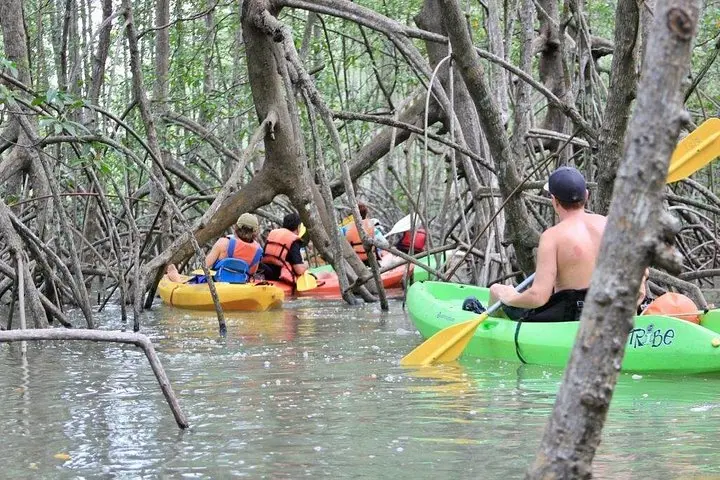
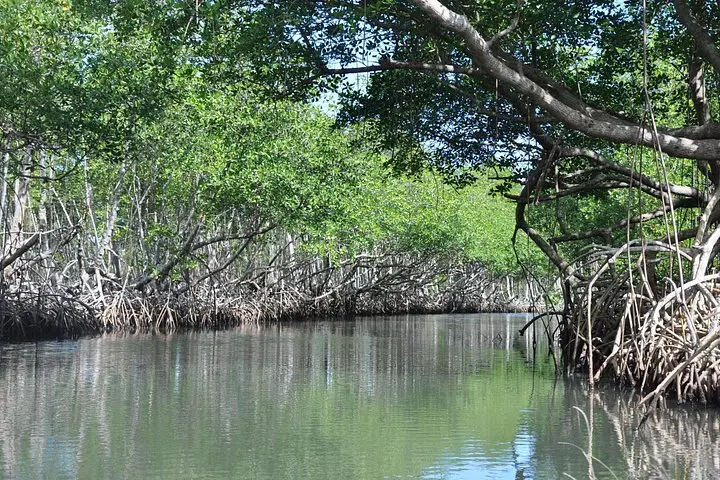
You push off from a muddy bank and the motorboats fall away; the water closes over your blade and the mangrove tunnels accept you. Roots arch like hands, birds watch from shadowed perches, and every stroke moves you deeper into an estuary that feels mapped more by tides than roads.
You push off from a muddy bank and the motorboats fall away; the water closes over your blade and the mangrove tunnels accept you. Roots arch like hands, birds watch from shadowed perches, and every stroke moves you deeper into an estuary that feels mapped more by tides than roads.
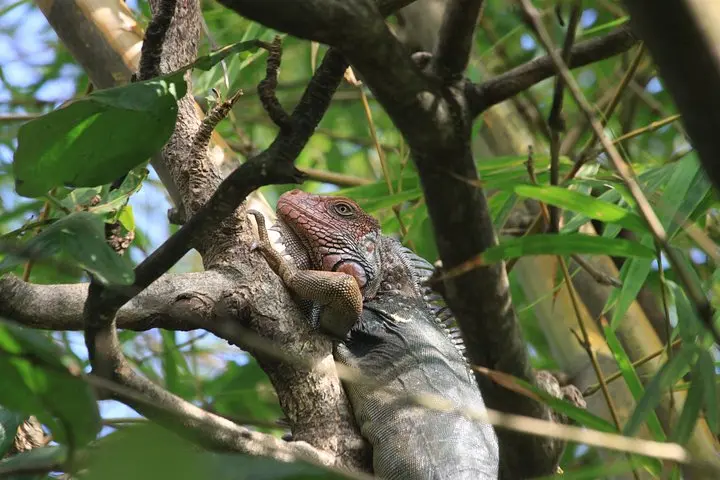
The Damas Island estuary near Quepos formed where river sediments meet the Pacific, leaving a braided network of channels lined with red and black mangroves. Local fishing communities have long depended on these sheltered waterways for nursery habitat and protection from storms; today guides mix natural history with practical paddling skills as you pass monkey tracks and lizard sunning spots.
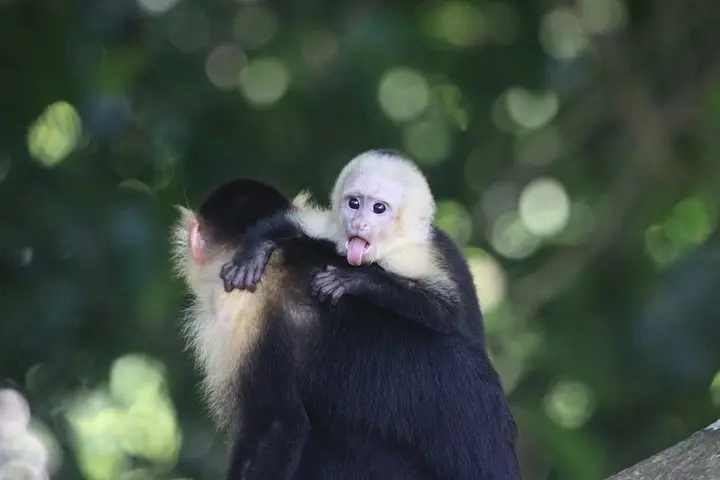
Wildlife reads the day differently: howler monkeys announce morning, white-faced capuchins hop between branches, and a throne of kingfishers and herons patrol the edges. Geology here is simple and visible—silt, root systems, and tides creating the narrow channels only kayaks can thread.
Practically, this is a two-hour guided excursion suitable for people with moderate fitness; tours typically include lifejackets, bottled water, an air-conditioned transfer, and a Costa Rican meal after the paddle. Expect uneven launches, low-hanging roots, and occasional sharp mangrove pneumatophores—briefings cover safe entry and exit.
Timing matters: early morning gives calmer water and more activity; the wet season brings afternoon showers and more insects. Bring a dry bag, reef-safe sunscreen, steady footwear, and patience—these mangroves reward quiet attention with close wildlife encounters and a clear sense of how coastal ecosystems protect the shore.
Frequently asked questions
Yes—guided tours supply Coast Guard–approved personal flotation devices and cover basic safety and entry/exit procedures before launch.
The route is rated moderate: short bursts of effort in narrow channels with calm water overall; guides pace the trip for mixed-ability groups.
Most operators offer air-conditioned transfers from Quepos/Manuel Antonio—confirm pickup point when booking as some locations are central pickup hubs.
Wildlife sightings are common but not guaranteed; early departures increase odds of seeing howler monkeys, capuchins, and a wide range of shorebirds.
About This Experience
Travel Costa Rica Tours operates guided outdoor trips and adventures with an emphasis on safety, stewardship, and memorable experiences.
Adventure tips
Recommended gear
- Dry bag (5–10L): Keeps electronics and spare clothes dry during paddling and wet launches.
- Strap-on water shoes or neoprene sandals: Protects feet on muddy banks and provides traction when entering/exiting kayaks.
- Reef-safe sunscreen and hat: Sun protection during open stretches of estuary and on the return ride.
- Compact binoculars: Helps spot birds and distant wildlife in the canopy without disturbing them.
Photos of the experience
Related adventures & guides
Read the full experience
You push off from a muddy bank and the motorboats fall away; the water closes over your blade and the mangrove tunnels accept you. Roots arch like hands, birds watch from shadowed perches, and every stroke moves you deeper into an estuary that feels mapped more by tides than roads.
You push off from a muddy bank and the motorboats fall away; the water closes over your blade and the mangrove tunnels accept you. Roots arch like hands, birds watch from shadowed perches, and every stroke moves you deeper into an estuary that feels mapped more by tides than roads.
The Damas Island estuary near Quepos formed where river sediments meet the Pacific, leaving a braided network of channels lined with red and black mangroves. Local fishing communities have long depended on these sheltered waterways for nursery habitat and protection from storms; today guides mix natural history with practical paddling skills as you pass monkey tracks and lizard sunning spots.
Wildlife reads the day differently: howler monkeys announce morning, white-faced capuchins hop between branches, and a throne of kingfishers and herons patrol the edges. Geology here is simple and visible—silt, root systems, and tides creating the narrow channels only kayaks can thread.
Practically, this is a two-hour guided excursion suitable for people with moderate fitness; tours typically include lifejackets, bottled water, an air-conditioned transfer, and a Costa Rican meal after the paddle. Expect uneven launches, low-hanging roots, and occasional sharp mangrove pneumatophores—briefings cover safe entry and exit.
Timing matters: early morning gives calmer water and more activity; the wet season brings afternoon showers and more insects. Bring a dry bag, reef-safe sunscreen, steady footwear, and patience—these mangroves reward quiet attention with close wildlife encounters and a clear sense of how coastal ecosystems protect the shore.
Make a day of it nearby.
Verified experiences and guided adventures in the surrounding area.