THE ADVENTURE COLLECTIVE® · Independent discovery and booking for outdoor travel

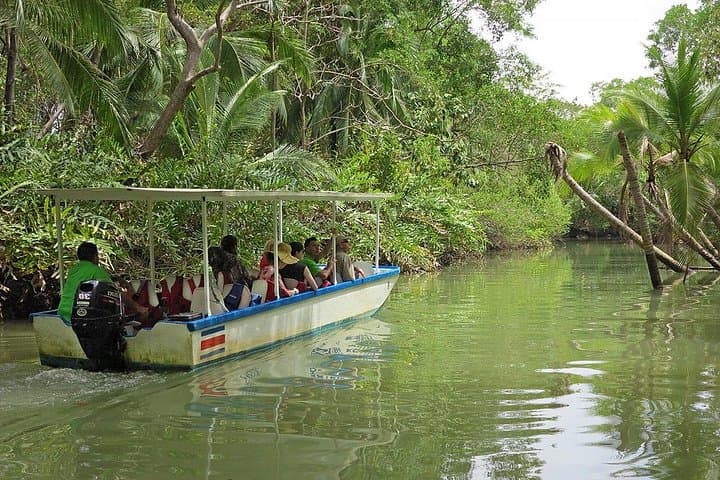
Glide through Quepos’ winding mangrove channels by boat and watch kingfishers, herons, and howler monkeys up close. This relaxed two-hour tour includes a bilingual guide, safety gear, and a Costa Rican meal—ideal for photographers and families.
Glide through Quepos’ winding mangrove channels by boat and watch kingfishers, herons, and howler monkeys up close. This relaxed two-hour tour includes a bilingual guide, safety gear, and a Costa Rican meal—ideal for photographers and families.
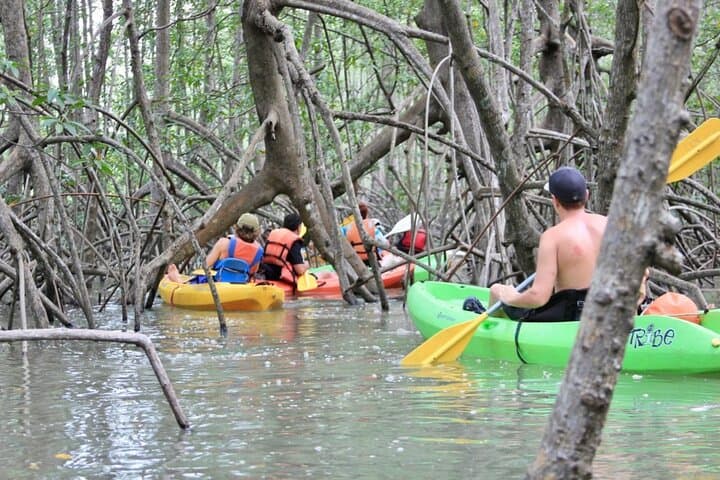
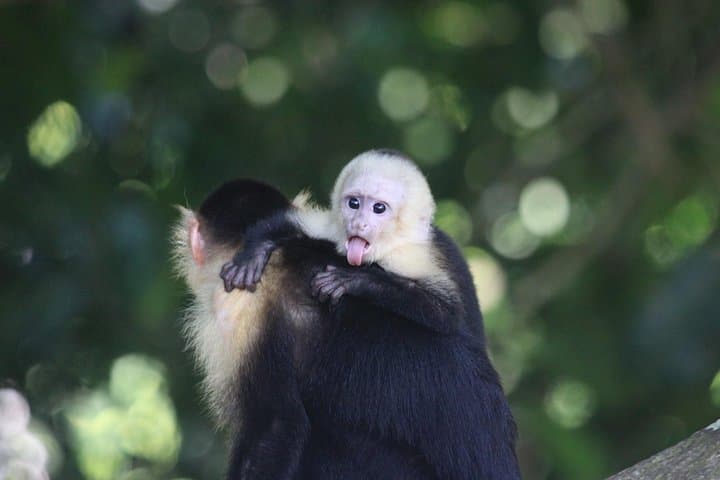
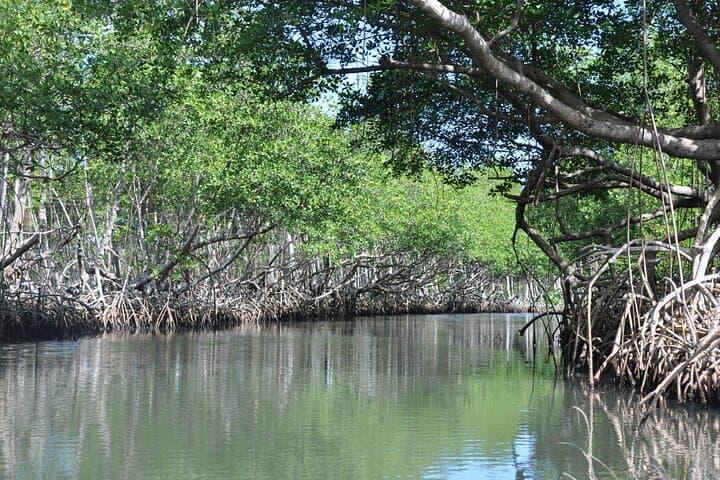
A narrow channel opens like a green throat and the boat slips forward, roots and prop roots brushing the glassy surface while kingfishers flare and herons hold stony watch. The Damas Island mangrove estuary, a channel maze off Quepos, rewards quiet observers with close-up views of crabs clambering on pneumatophores and howler monkeys calling from the canopy.
Verified experiences and guided adventures in the surrounding area.
Operated by Travel Costa Rica Tours · Quepos, Puntarenas
A narrow channel opens like a green throat and the boat slips forward, roots and prop roots brushing the glassy surface while kingfishers flare and herons hold stony watch. The Damas Island mangrove estuary, a channel maze off Quepos, rewards quiet observers with close-up views of crabs clambering on pneumatophores and howler monkeys calling from the canopy.
Geologically the mangroves sit where Pacific tides meet river sediment, building mudflats that nourish fisheries and protect the shoreline. Culturally the estuary has supported local fishing families for generations; today bilingual guides translate natural history into stories about shrimp ponds, conservation, and the seasonal movements of birds and sea life.
Tours run roughly two hours and are designed for slow, photo-friendly navigation—morning light for active birds, sunset for warm tones and calm water. Expect binocular-worthy sightings of mangrove kingfishers, snowy egrets, and the occasional crocodile basking at the channel edge. Guides supply safety gear and a Costa Rican meal, and pickups from Manuel Antonio or Quepos make logistics straightforward.
Practical tips: bring a lightweight rain jacket during the rainy season, insect repellent, and a dry bag for electronics. Wear grippy shoes and be ready to stand for short bursts on small boats. If you want the best light and calmer waters, book the earliest or the sunset departure. Respect the habitat by keeping noise low and avoiding feeding wildlife—these mangroves are fragile, and your quiet presence lets the estuary go about its work.
easy.
2 hours.
Suitable for all fitness levels; ability to step on/off a small boat is required.
Yes; the tour is family-friendly and paced for all ages, though children must be supervised and able to sit or stand on a small boat.
Common sightings include mangrove kingfishers, egrets, herons, crabs, howler monkeys, and occasionally crocodiles or caiman at channel edges.
Yes; operators cancel in heavy weather for safety—rainy-season squalls can prompt rescheduling or full refunds if within the cancellation policy.
No experience required; guides provide a safety briefing and life jackets, and the boat moves at a relaxed pace suited to novices.
Local communities have fished these estuaries for generations; the mangroves have long protected shorelines and supported artisanal fisheries.
Mangroves are key carbon sinks and nursery habitats—stay on designated channels and follow guide instructions to minimize disturbance.
Travel Costa Rica Tours operates guided outdoor trips and adventures with an emphasis on safety, stewardship, and memorable experiences.
A narrow channel opens like a green throat and the boat slips forward, roots and prop roots brushing the glassy surface while kingfishers flare and herons hold stony watch. The Damas Island mangrove estuary, a channel maze off Quepos, rewards quiet observers with close-up views of crabs clambering on pneumatophores and howler monkeys calling from the canopy.
A narrow channel opens like a green throat and the boat slips forward, roots and prop roots brushing the glassy surface while kingfishers flare and herons hold stony watch. The Damas Island mangrove estuary, a channel maze off Quepos, rewards quiet observers with close-up views of crabs clambering on pneumatophores and howler monkeys calling from the canopy.
Geologically the mangroves sit where Pacific tides meet river sediment, building mudflats that nourish fisheries and protect the shoreline. Culturally the estuary has supported local fishing families for generations; today bilingual guides translate natural history into stories about shrimp ponds, conservation, and the seasonal movements of birds and sea life.
Tours run roughly two hours and are designed for slow, photo-friendly navigation—morning light for active birds, sunset for warm tones and calm water. Expect binocular-worthy sightings of mangrove kingfishers, snowy egrets, and the occasional crocodile basking at the channel edge. Guides supply safety gear and a Costa Rican meal, and pickups from Manuel Antonio or Quepos make logistics straightforward.
Practical tips: bring a lightweight rain jacket during the rainy season, insect repellent, and a dry bag for electronics. Wear grippy shoes and be ready to stand for short bursts on small boats. If you want the best light and calmer waters, book the earliest or the sunset departure. Respect the habitat by keeping noise low and avoiding feeding wildlife—these mangroves are fragile, and your quiet presence lets the estuary go about its work.