THE ADVENTURE COLLECTIVE® · Independent discovery and booking for outdoor travel

Glide through shaded mangrove canals from Quepos, spotting monkeys, herons, and crocodiles before stepping ashore on Damas Island for fresh coconuts and a visit to a local farm. This 2–3 hour guided boat tour blends wildlife viewing with community connections.
Glide through shaded mangrove canals from Quepos, spotting monkeys, herons, and crocodiles before stepping ashore on Damas Island for fresh coconuts and a visit to a local farm. This 2–3 hour guided boat tour blends wildlife viewing with community connections.
A low-slung boat slips between roots and reflected sky, mangrove trunks rising like columns while kingfishers flash and the estuary breathes salt and freshwater. Guides from Quepos steer deliberately; the channel narrows, the hum of the outboard softens, and a troop of white-faced capuchins appears on a distant limb, curious and quick.
Verified experiences and guided adventures in the surrounding area.
Operated by Fabio Araya · Quepos, Puntarenas
A low-slung boat slips between roots and reflected sky, mangrove trunks rising like columns while kingfishers flash and the estuary breathes salt and freshwater. Guides from Quepos steer deliberately; the channel narrows, the hum of the outboard softens, and a troop of white-faced capuchins appears on a distant limb, curious and quick.
This estuarine maze formed where rivers meet the Pacific — sediment-rich, tidal, and biologically dense. Mangroves here stabilize shorelines and host life stages for fish and crustaceans, while nearby farms on Damas Island reflect a long tradition of small-scale agriculture and coastal living in Puntarenas Province. Local guides often share stories about seasonal fishing, coconut harvests, and the island’s ties to Quepos and Manuel Antonio communities.
Expect up-close wildlife viewing — herons, kingfishers, howler and capuchin monkeys, occasional crocodile sightings — and a short stop ashore at a family-run farm where fresh coconut or fruit will be offered. The pace is relaxed but observational: bring binoculars and a good camera.
Practical notes: tours run about 2–2.5 hours, parties up to ~22, and guides provide ecological context as well as safety briefings. Morning departures are best for light and calmer water; afternoons can be warmer and busier. Wear quick-dry clothing, reef-safe sunscreen, and closed-toe water shoes. If you’re prone to seasickness, take precautions. This outing is accessible to most fitness levels and is an efficient way to connect with mangrove ecology and local culture in one short excursion.
easy.
2–3 hours.
Suitable for most fitness levels; requires short, easy disembarkation onto soft beach or muddy ground.
The excursion is approximately 2 to 2.5 hours (about 150 minutes) including the boat ride and a short farm stop on Damas Island.
Wildlife is common but not guaranteed; guides know likely spots and increase chances, but sightings depend on time of day and tides.
Pickup options vary by operator—bookings typically ask pickup point; public transport is available nearby but confirm when reserving.
Tours are family-friendly and classified as easy, but shore landings can be on soft sand or mud; notify the operator about mobility needs in advance.
The Damas estuary has long supported small-scale fishing and farming communities tied to Quepos; mangroves have been central to local livelihoods for generations.
Mangroves are ecologically sensitive—stay on designated paths during landings, avoid littering, and use reef-safe products to reduce impact on coastal ecosystems.
Fabio Araya operates guided outdoor trips and adventures with an emphasis on safety, stewardship, and memorable experiences.
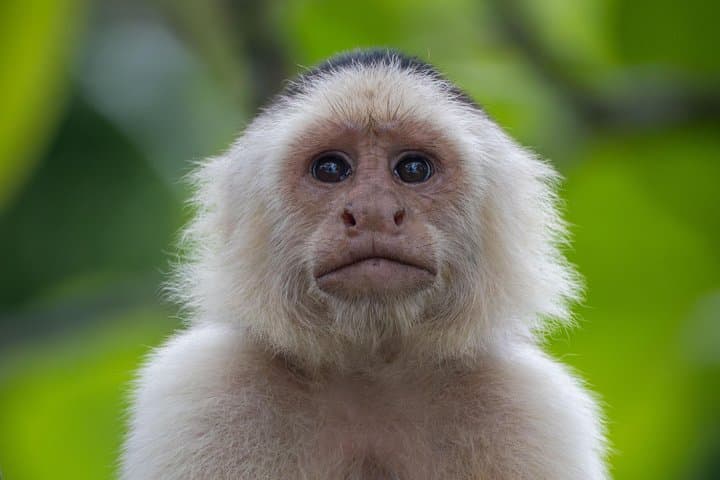
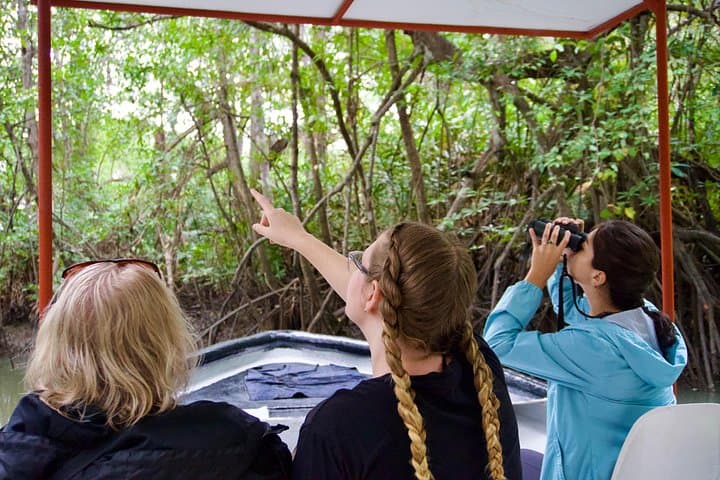
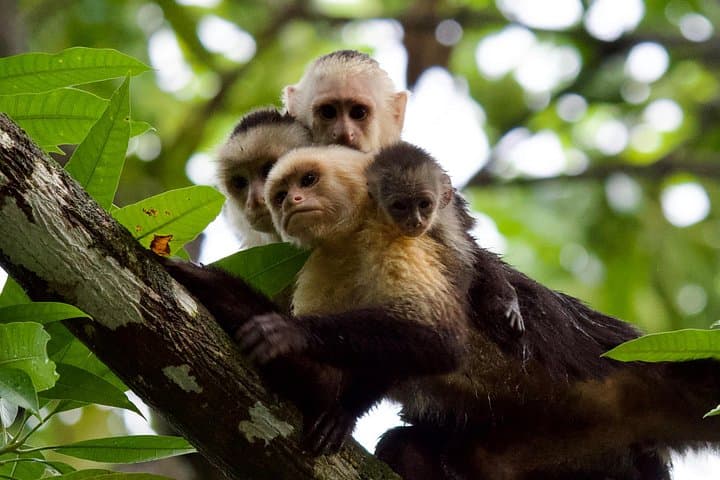
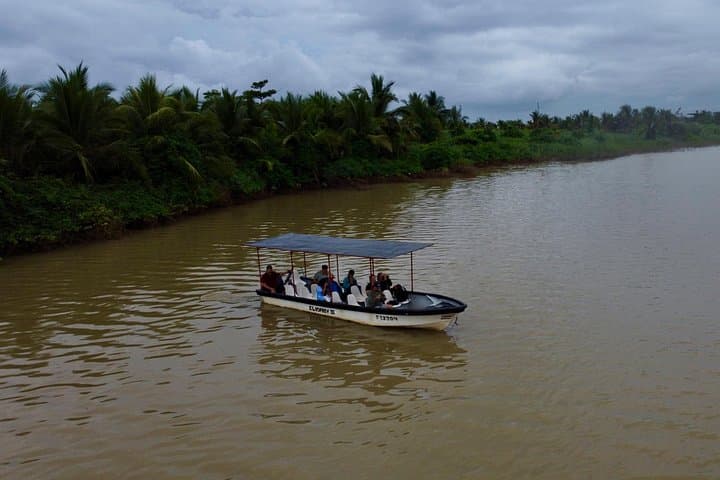
A low-slung boat slips between roots and reflected sky, mangrove trunks rising like columns while kingfishers flash and the estuary breathes salt and freshwater. Guides from Quepos steer deliberately; the channel narrows, the hum of the outboard softens, and a troop of white-faced capuchins appears on a distant limb, curious and quick.
A low-slung boat slips between roots and reflected sky, mangrove trunks rising like columns while kingfishers flash and the estuary breathes salt and freshwater. Guides from Quepos steer deliberately; the channel narrows, the hum of the outboard softens, and a troop of white-faced capuchins appears on a distant limb, curious and quick.
This estuarine maze formed where rivers meet the Pacific — sediment-rich, tidal, and biologically dense. Mangroves here stabilize shorelines and host life stages for fish and crustaceans, while nearby farms on Damas Island reflect a long tradition of small-scale agriculture and coastal living in Puntarenas Province. Local guides often share stories about seasonal fishing, coconut harvests, and the island’s ties to Quepos and Manuel Antonio communities.
Expect up-close wildlife viewing — herons, kingfishers, howler and capuchin monkeys, occasional crocodile sightings — and a short stop ashore at a family-run farm where fresh coconut or fruit will be offered. The pace is relaxed but observational: bring binoculars and a good camera.
Practical notes: tours run about 2–2.5 hours, parties up to ~22, and guides provide ecological context as well as safety briefings. Morning departures are best for light and calmer water; afternoons can be warmer and busier. Wear quick-dry clothing, reef-safe sunscreen, and closed-toe water shoes. If you’re prone to seasickness, take precautions. This outing is accessible to most fitness levels and is an efficient way to connect with mangrove ecology and local culture in one short excursion.