THE ADVENTURE COLLECTIVE® · Independent discovery and booking for outdoor travel

Explore the tidal channels of Damas Island by boat, where mangrove roots cradle birds, monkeys, crabs and sloths. This 4-hour guided tour from Manuel Antonio navigates by tide for close wildlife viewing and a practical intro to mangrove ecology.
Explore the tidal channels of Damas Island by boat, where mangrove roots cradle birds, monkeys, crabs and sloths. This 4-hour guided tour from Manuel Antonio navigates by tide for close wildlife viewing and a practical intro to mangrove ecology.
You push off from a quiet river dock and the motor drops to a patient hum. The boat threads narrow black-water channels where mangrove roots reach like hands into the tide, and shorelines flicker with movement — a white-faced monkey pauses on a low branch, a bright crab dots the mud, and distant birds keep watch.
Verified experiences and guided adventures in the surrounding area.
Operated by Costa Rica Jade Tours · Quepos, Puntarenas
You push off from a quiet river dock and the motor drops to a patient hum. The boat threads narrow black-water channels where mangrove roots reach like hands into the tide, and shorelines flicker with movement — a white-faced monkey pauses on a low branch, a bright crab dots the mud, and distant birds keep watch.
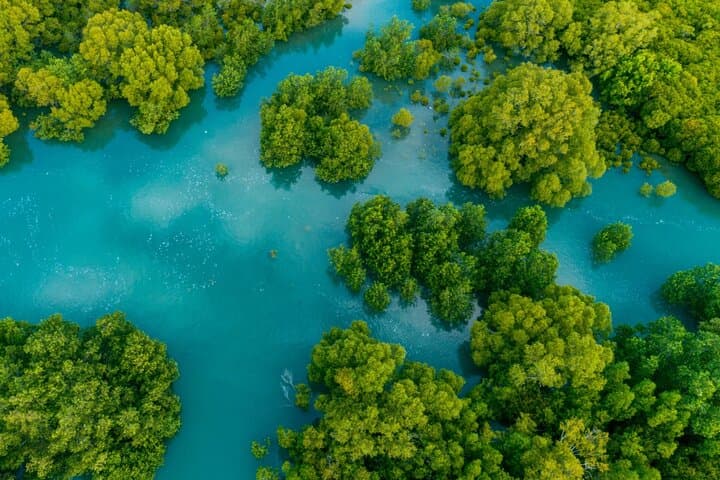
The Damas Island mangrove complex is one of the largest remaining mangrove systems on Costa Rica’s central Pacific coast. Geologically young, these tidal forests form where river sediments meet Pacific tides, creating sheltered estuaries that local fishing communities have long used for fish and shrimp harvesting. Today the area is managed for conservation and sustainable use, and guided boat trips are the best way to access its quieter channels.
Guides steer by tide and species behavior: low tide exposes crab flats and root networks; high tide brings deeper water and easier navigation into side channels. Expect a steady rhythm of slow cruising, binocular scanning, and brief stops to listen for monkeys or scan mangrove crowns for sloths and iguanas.
Practical tips: tours typically run about four hours and include pickup (scheduled around high tide), bottled water and lunch. Wear quick-dry clothing, bring a waterproof bag and binoculars, and plan for sun between showers — morning departures often offer calmer water and better bird activity. Seasickness meds help if you’re prone; follow your guide’s instructions for keeping distance from wildlife to protect both animals and habitat.
easy.
4 hours.
Suitable for most fitness levels; requires sitting or short steps on/off the boat and easy short walks at docks.
The tour lasts approximately four hours and usually includes transport pickup, a guided boat ride through the mangroves, bottled water and lunch as listed in the itinerary.
The mangrove channels are tidal—guides schedule departures around high tide to ensure safe access to inner creeks and to optimize wildlife viewing as animals move with the water.
The trip is described as suitable for all fitness levels; however, boarding boats and short dock steps are required—check with the operator if specific mobility accommodations are needed.
Common sightings include white-faced capuchin monkeys, sloths, iguanas, a variety of shorebirds, and numerous colorful crabs; sightings aren’t guaranteed but guides know local hotspots.
Local fishing communities have traditionally used the Damas estuary for bait and subsistence fishing; conservation measures in recent decades have limited extraction and encouraged guided ecotourism.
Tours follow guidelines to minimize disturbance—avoid feeding wildlife, keep noise low, and stay on approved routes to protect root systems and nursery habitats.
Costa Rica Jade Tours operates guided outdoor trips and adventures with an emphasis on safety, stewardship, and memorable experiences.
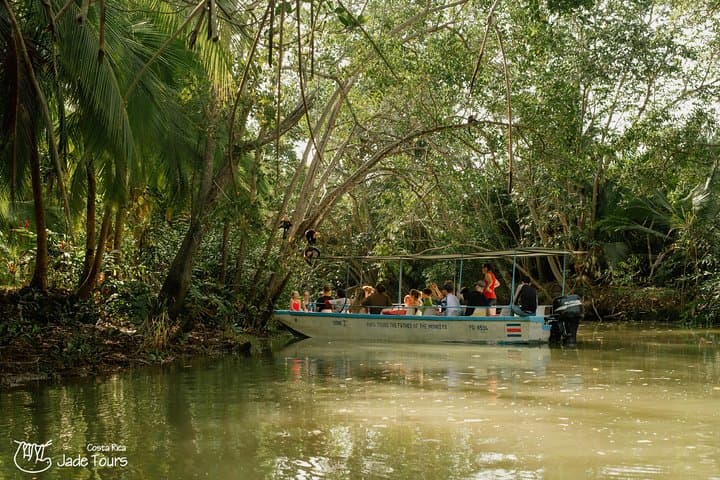
You push off from a quiet river dock and the motor drops to a patient hum. The boat threads narrow black-water channels where mangrove roots reach like hands into the tide, and shorelines flicker with movement — a white-faced monkey pauses on a low branch, a bright crab dots the mud, and distant birds keep watch.
You push off from a quiet river dock and the motor drops to a patient hum. The boat threads narrow black-water channels where mangrove roots reach like hands into the tide, and shorelines flicker with movement — a white-faced monkey pauses on a low branch, a bright crab dots the mud, and distant birds keep watch.
The Damas Island mangrove complex is one of the largest remaining mangrove systems on Costa Rica’s central Pacific coast. Geologically young, these tidal forests form where river sediments meet Pacific tides, creating sheltered estuaries that local fishing communities have long used for fish and shrimp harvesting. Today the area is managed for conservation and sustainable use, and guided boat trips are the best way to access its quieter channels.
Guides steer by tide and species behavior: low tide exposes crab flats and root networks; high tide brings deeper water and easier navigation into side channels. Expect a steady rhythm of slow cruising, binocular scanning, and brief stops to listen for monkeys or scan mangrove crowns for sloths and iguanas.
Practical tips: tours typically run about four hours and include pickup (scheduled around high tide), bottled water and lunch. Wear quick-dry clothing, bring a waterproof bag and binoculars, and plan for sun between showers — morning departures often offer calmer water and better bird activity. Seasickness meds help if you’re prone; follow your guide’s instructions for keeping distance from wildlife to protect both animals and habitat.