THE ADVENTURE COLLECTIVE® · Independent discovery and booking for outdoor travel

Slip into the tidal maze of Damas Island for close-up encounters with capuchins, sloths and exotic shorebirds. This 4-hour eco-boat tour from Jacó pairs wildlife viewing with local mangrove insights and bilingual guides.
Slip into the tidal maze of Damas Island for close-up encounters with capuchins, sloths and exotic shorebirds. This 4-hour eco-boat tour from Jacó pairs wildlife viewing with local mangrove insights and bilingual guides.
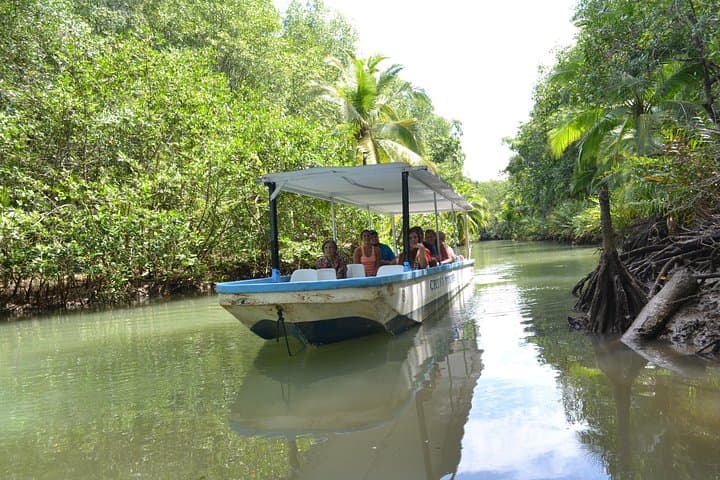
The boat slips into a narrow channel and the mangrove trees lean over like watchful hosts, roots knuckling into dark water while tide and wind rearrange the light.
Verified experiences and guided adventures in the surrounding area.
Operated by Costa Rica Holiday Rentals · Jacó, Puntarenas
The boat slips into a narrow channel and the mangrove trees lean over like watchful hosts, roots knuckling into dark water while tide and wind rearrange the light.
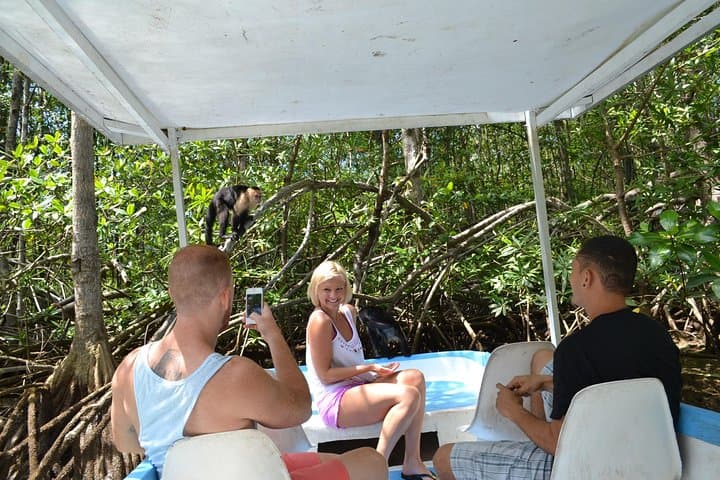
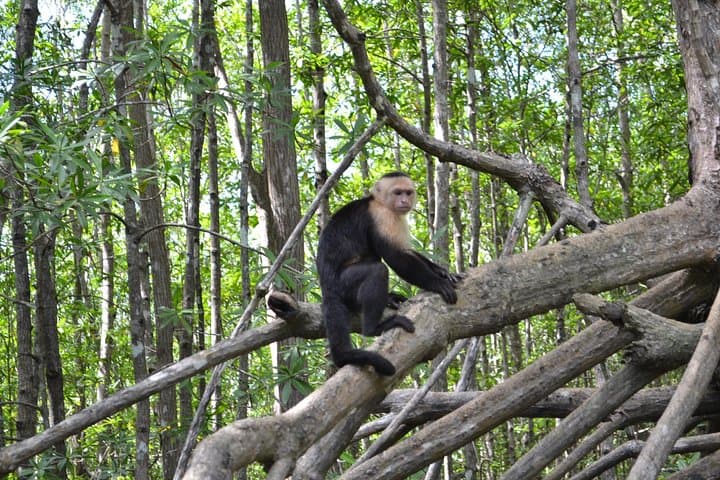
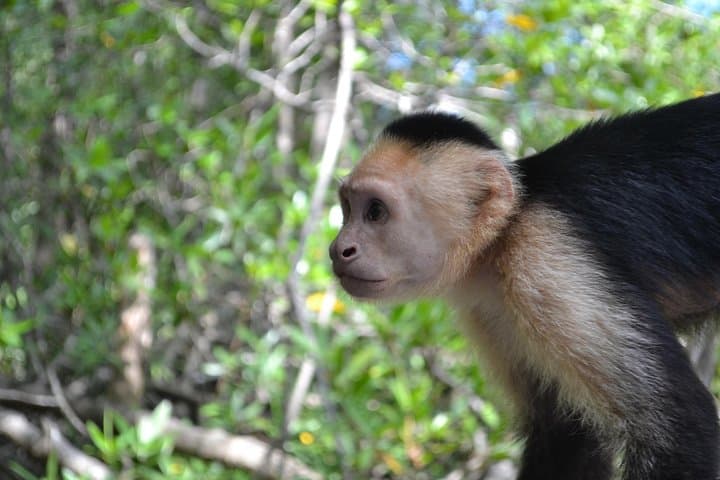
On Isla Damas, guides pilot small skiffs through a braided estuary where white-faced capuchins fling between branches, sloths cling to hidden limbs, and shorebirds quarter the air for fish. The landscape is young in geological terms — coastal sediment and river-borne silt building spits and tidal channels — and the mangroves themselves are the workhorses that trap that sand and protect the shoreline.
Human presence here is layered: indigenous pathways, small fishing communities that learned to read tides, and modern ecotour enterprises that connect visitors to local knowledge. Expect commentary on flora — red and black mangrove species — and on how these estuaries feed reef and coastal fisheries.
Practical guidance: tours run about four hours door-to-door from Jacó and include bilingual guides, bottled water, and a fruit snack; the boat portion is shorter but the drive adds time. Wildlife is most active at low wind and in early morning or late afternoon, so choose those windows for better sightings. Bring binoculars, waterproof protection, sun and insect defense, and keep voices low — the animals respond to rhythm and presence.
This is an easy, low-impact outing suitable for most travelers, but daylight, tides and weather shape what you’ll see. Respect posted instructions, follow guide directions, and leave no trace so the estuary stays as lively for the next skiff as it is for yours.
easy.
4 hours.
Suitable for most fitness levels; requires short periods sitting in a low skiff and brief getting on/off movements
Most departures include air-conditioned transport from Jacó; the full experience runs about four hours door-to-door with roughly a 30–60 minute drive each way depending on traffic.
Guides target areas with active wildlife, but sightings vary with tide, time of day and weather; mornings and late afternoons increase your chances.
The skiffs require stepping into a low boat and steady balance; the tour is labeled easy but may be difficult for people with significant mobility limitations—ask the operator about assistance.
Do not feed or touch monkeys, sloths, birds or any wildlife—their diets and behaviors are delicate and feeding can harm individual animals and the ecosystem.
Mangroves here have supported coastal communities for generations, serving as nursery habitat for fisheries and as natural buffers against storms.
Tours contribute to local conservation when run responsibly; avoid single-use plastics, follow guide instructions, and support operators who invest in community stewardship.
Costa Rica Holiday Rentals operates guided outdoor trips and adventures with an emphasis on safety, stewardship, and memorable experiences.
The boat slips into a narrow channel and the mangrove trees lean over like watchful hosts, roots knuckling into dark water while tide and wind rearrange the light.
The boat slips into a narrow channel and the mangrove trees lean over like watchful hosts, roots knuckling into dark water while tide and wind rearrange the light.
On Isla Damas, guides pilot small skiffs through a braided estuary where white-faced capuchins fling between branches, sloths cling to hidden limbs, and shorebirds quarter the air for fish. The landscape is young in geological terms — coastal sediment and river-borne silt building spits and tidal channels — and the mangroves themselves are the workhorses that trap that sand and protect the shoreline.
Human presence here is layered: indigenous pathways, small fishing communities that learned to read tides, and modern ecotour enterprises that connect visitors to local knowledge. Expect commentary on flora — red and black mangrove species — and on how these estuaries feed reef and coastal fisheries.
Practical guidance: tours run about four hours door-to-door from Jacó and include bilingual guides, bottled water, and a fruit snack; the boat portion is shorter but the drive adds time. Wildlife is most active at low wind and in early morning or late afternoon, so choose those windows for better sightings. Bring binoculars, waterproof protection, sun and insect defense, and keep voices low — the animals respond to rhythm and presence.
This is an easy, low-impact outing suitable for most travelers, but daylight, tides and weather shape what you’ll see. Respect posted instructions, follow guide directions, and leave no trace so the estuary stays as lively for the next skiff as it is for yours.