THE ADVENTURE COLLECTIVE® · Independent discovery and booking for outdoor travel

Island-hop down Croatia’s Dalmatian coast from Split to Dubrovnik over eight days—explore Hvar’s lavender fields, Korčula’s medieval streets, and Dubrovnik’s UNESCO walls with built-in transfers and ferry tickets. This independent itinerary blends guided walking time with free days to wander.
Island-hop down Croatia’s Dalmatian coast from Split to Dubrovnik over eight days—explore Hvar’s lavender fields, Korčula’s medieval streets, and Dubrovnik’s UNESCO walls with built-in transfers and ferry tickets. This independent itinerary blends guided walking time with free days to wander.
Step off the palm-lined Riva in Split and feel the Adriatic pull you southward. Ferries hum like a commuting tide while limestone cliffs and small islands punctuate the blue; lavender-scented fields on Hvar and the narrow, curving streets of Korčula unfold like chapters on a slow-moving map. By the time you reach Dubrovnik the sea has set the pace: purposeful, clear, and a little daring.
Verified experiences and guided adventures in the surrounding area.
Operated by Elite Travel LTD · Split, Split-Dalmatia County
Step off the palm-lined Riva in Split and feel the Adriatic pull you southward. Ferries hum like a commuting tide while limestone cliffs and small islands punctuate the blue; lavender-scented fields on Hvar and the narrow, curving streets of Korčula unfold like chapters on a slow-moving map. By the time you reach Dubrovnik the sea has set the pace: purposeful, clear, and a little daring.
This route traces layers of history. Split grew from Diocletian’s Roman retirement palace into a living city center; Hvar’s Venetian-era walls and sun-baked vineyards tell a maritime trade story; Korčula preserves medieval stonework and guild houses; Dubrovnik recalls its own republic-era wealth and the defensive walls that still frame the Old Town. Geologically the coast is karst limestone—sharp coves, hidden bays, and thin soils that favor lavender and vines over deep forests.
Expect independent travel with scheduled transfers and boat tickets provided. Days alternate walking tours, free time to explore harbors, and short inter-island crossings—suitable for travelers who want structure without a guide shadowing every step. Practical points: ferry timetables tighten in shoulder seasons, July–August brings peak crowds and high sun, and many historic sites are best seen early morning or late afternoon for cooler light and thinner crowds. Bring sun protection, a sturdy pair of shoes for cobblestones, and a small dry bag for boat days. The Adriatic often tempts you to linger; plan extra time in small harbors and leave room for one unplanned swim in a quiet cove.
moderate.
8 days.
Light to moderate fitness; able to manage daily walks of 1–3 hours and stairs on cobbled streets
The itinerary includes assistance with boat and ferry tickets during the program; specific sailing times may vary and should be confirmed on arrival.
Travelers require a valid passport; visa requirements depend on nationality—check Croatia entry rules before travel.
The program is rated easy to moderate with hotel nights and transfers, but cobbled streets and steps in historic towns may be challenging for limited mobility; check accessibility at individual hotels.
Croatia uses the euro and Croatian is the official language; English is widely spoken in tourist areas.
The route stitches together Roman, Venetian and medieval maritime histories—from Diocletian’s palace in Split to the fortified republic of Dubrovnik.
Many islands fall within protected marine and coastal zones; avoid anchoring in Posidonia meadows, reduce single-use plastics, and follow local wildlife viewing rules.
Elite Travel LTD operates guided outdoor trips and adventures with an emphasis on safety, stewardship, and memorable experiences.
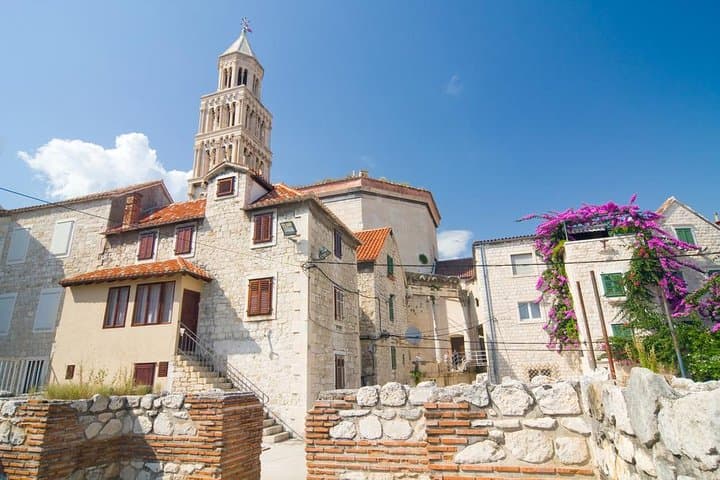
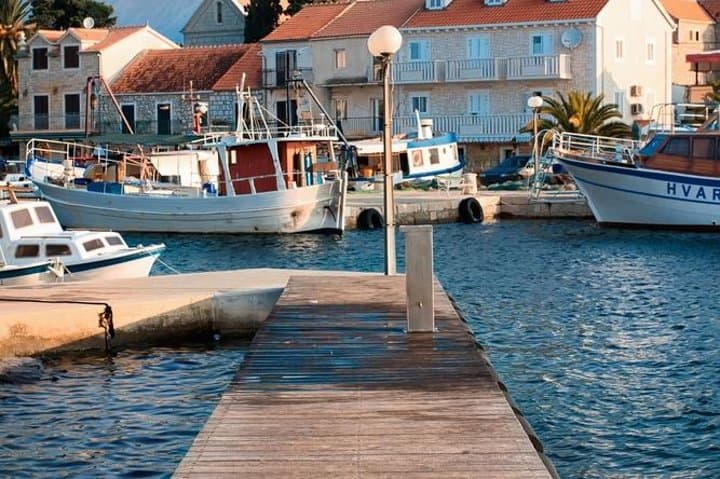
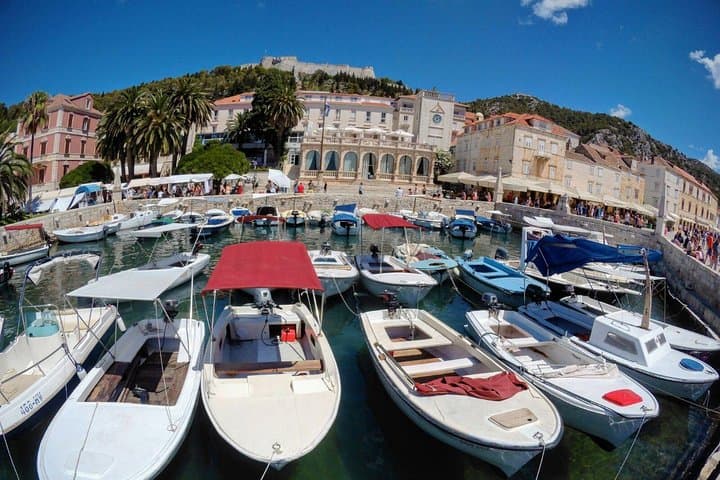
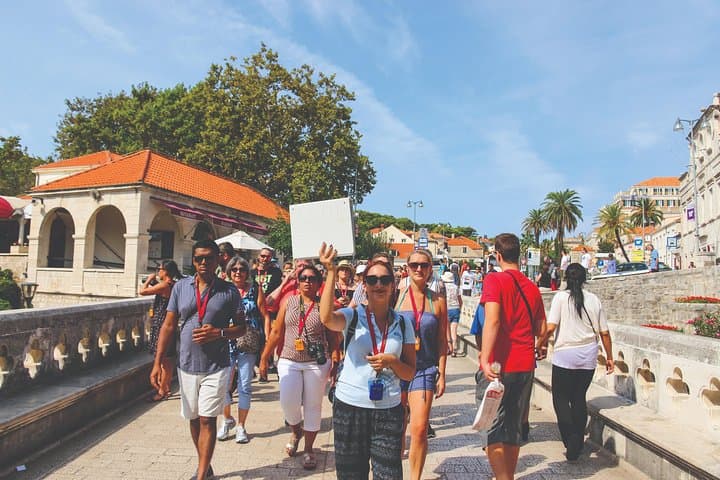
Step off the palm-lined Riva in Split and feel the Adriatic pull you southward. Ferries hum like a commuting tide while limestone cliffs and small islands punctuate the blue; lavender-scented fields on Hvar and the narrow, curving streets of Korčula unfold like chapters on a slow-moving map. By the time you reach Dubrovnik the sea has set the pace: purposeful, clear, and a little daring.
Step off the palm-lined Riva in Split and feel the Adriatic pull you southward. Ferries hum like a commuting tide while limestone cliffs and small islands punctuate the blue; lavender-scented fields on Hvar and the narrow, curving streets of Korčula unfold like chapters on a slow-moving map. By the time you reach Dubrovnik the sea has set the pace: purposeful, clear, and a little daring.
This route traces layers of history. Split grew from Diocletian’s Roman retirement palace into a living city center; Hvar’s Venetian-era walls and sun-baked vineyards tell a maritime trade story; Korčula preserves medieval stonework and guild houses; Dubrovnik recalls its own republic-era wealth and the defensive walls that still frame the Old Town. Geologically the coast is karst limestone—sharp coves, hidden bays, and thin soils that favor lavender and vines over deep forests.
Expect independent travel with scheduled transfers and boat tickets provided. Days alternate walking tours, free time to explore harbors, and short inter-island crossings—suitable for travelers who want structure without a guide shadowing every step. Practical points: ferry timetables tighten in shoulder seasons, July–August brings peak crowds and high sun, and many historic sites are best seen early morning or late afternoon for cooler light and thinner crowds. Bring sun protection, a sturdy pair of shoes for cobblestones, and a small dry bag for boat days. The Adriatic often tempts you to linger; plan extra time in small harbors and leave room for one unplanned swim in a quiet cove.